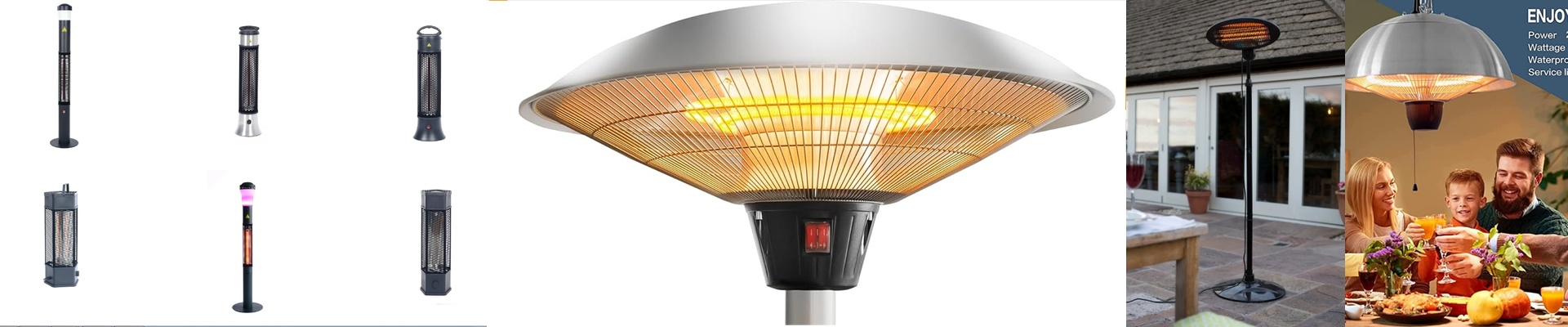
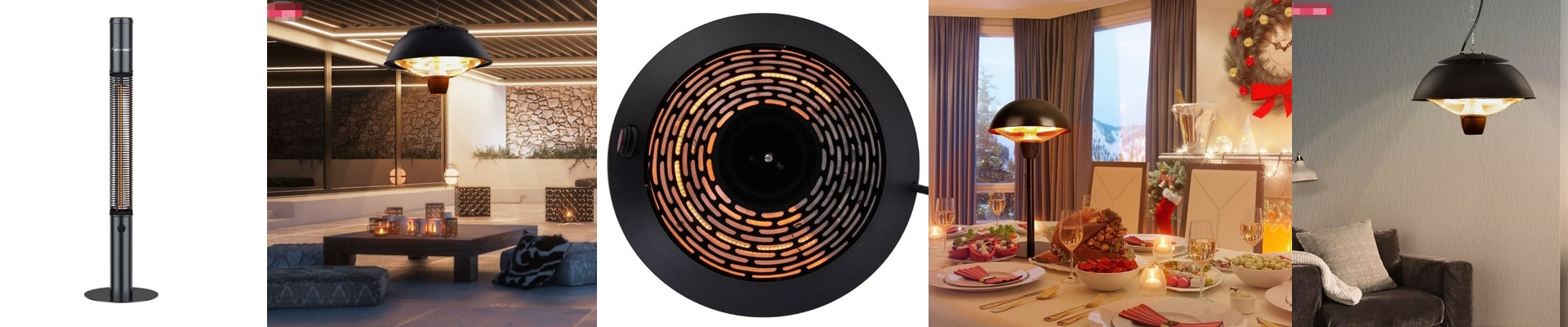


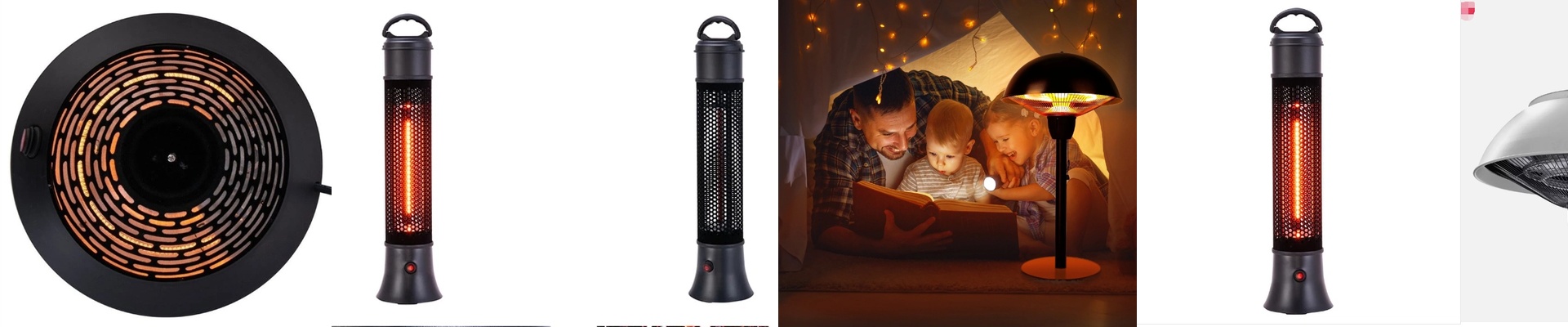

The export market for infrared heaters is moving, and buyers are hunting for 3-phase electric heaters that just work—instant warmth, no drama. If you’re pitching a model that moves, lean into industrial-grade reliability in a package that installs clean, runs clean, and keeps end users comfortable.
What matters under the hood
A 3-phase electric heater leans on a radiant infrared element—carbon fiber or quartz tube—that turns electricity into direct heat, warming people and objects instead of the air. Three-phase power spreads the load across three conductors, so each leg sees lower current than on single-phase. That cuts voltage drop on longer runs and keeps wiring and contactors cooler. In the real world, that translates to steady performance in workshops, covered patios, warehouses, and commercial outdoor seating—places where the unit cycles on and off for hours. Most models pair this with an adjustable thermostat and standard hardwired connections, so you can spec an install that meets local electrical codes without fuss.
Why this sells in export
Export buyers want comfort the instant the switch flips. Infrared warmth hits people directly, so a space feels usable right away—no waiting around for the air to warm up. For your customers, that means a longer outdoor season, better conditions for staff, and fewer draft complaints. For you, it means a product that earns repeat orders. These heaters are built for daily duty, with simple controls and few moving parts, so maintenance stays minimal. Pair the right 3-phase unit with clear installation guidance and you cut callbacks—exactly what export partners need to build confidence and keep coming back.
The field notes that protect you
A 3-phase electric heater is not a plug-and-play solution for every site. It needs a properly sized three-phase circuit, the correct breaker, and the right wire gauge. Plan for balanced loading, and verify local voltage and frequency against the heater’s rating. **Infrared performance is line-of-sight, period.**Mount too high and the feeling of warmth drops off. Mount too low and coverage gets uneven. Give the job a straightforward mounting plan and a clear clearance checklist, and you keep projects on schedule—and your margins intact.