



Role
אתם מומחים לתרגום לוקליזציה מקצועי לעברית, עם רקע מקצועי חזק בייצור תעשייתי והנדסה אלקטרומכנית.
Task
לתרגם מאמר טכני תעשייתי לעברית ברמת דיוק מקצועית הגבוהה ביותר.
Input Text
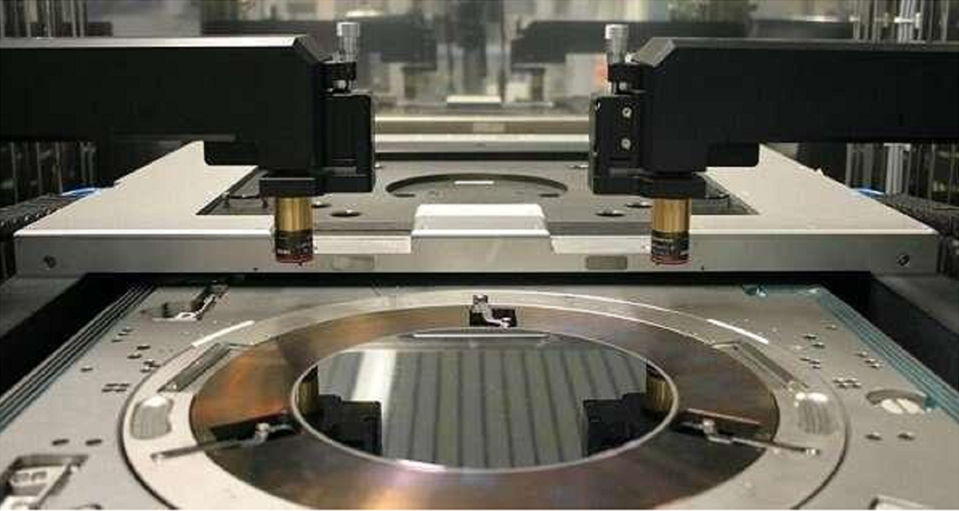
Out on the lithography floor, the wafer comes off the final rinse and the clock starts. Conventional drying leaves behind water marks, thin films, and particles you can’t see — until they show up as defects in the photoresist. In a 300mm fab running Class 1 cleanliness, that isn’t a risk. It’s yield walking out the door. What matters under the hood We built the wafer drying infrared heater around short-wave NIR. It dumps energy straight into the water film, fast — response under 50ms. Thermal uniformity across the wafer holds at ±0.1°C, so you don’t get hot/cold spots that mess with photoresist reflow after soft bake and hard bake. The emitter arrays sit behind sealed quartz, with a low-outgassing, particle-free interface, and the platform is cleanroom-compatible down to Class 1–100. Repeatability comes from closed-loop control that tracks setpoint within 0.5%, even running 24/7. In multi-cluster deployments, we’ve logged zero unplanned downtime over 18 months. Why this works where it counts Before spin, you need a truly dry wafer. After spin, you need bake profiles you can count on. The infrared heater dries without touching the surface, stripping the last 10–20nm of water without residues that cause scumming or bridging. The same thermal platform handles photoresist soft bake and hard bake with stable profiles, so linewidth control tightens and rework drops. Fewer defects. Less scrap. Cycle time you can plan around. Energy use falls because the heater delivers on-demand, without idling bulk fixtures. Installation needs clean alignment to the process chamber and a dedicated exhaust path to pull out latent solvents during bake. The heater plugs into SEMI-standard tool interfaces, though legacy platforms may need minor mechanical tweaks. Commissioning is short once you tune the recipe to your photoresist stack. In high-throughput lines, set up a schedule to inspect the quartz window — it keeps particle performance where it needs to be.
Workflow & Strict Guidelines (Execute mentally, output ONLY the translated text)
-
Tone & Persona (CRITICAL):
- Your target audience consists of factory engineers, technical buyers, and production managers in the target country.
- The tone must remain strictly objective, rigorous, factual, and direct.
- ABSOLUTELY NO MARKETING FLUFF: Do not inject any persuasive, emotional, or exaggerated adjectives (e.g., perfect, ultimate, revolutionary, best) into the translation. Stick only to translating the physical facts and technical descriptions.
-
Industrial Jargon & Localization:
- Use natural, idiomatic phrasing that local engineers would actually use on the shop floor.
- Ensure a fluid translation that conveys the exact meaning. Do NOT use rigid, word-for-word machine translation.
-
Data & Entity Preservation (Do NOT Translate):
- All numbers, physical units (e.g., W, V, mm, ℃, Hours), and specific model codes/SKUs (e.g., R7s, SK15, IR, PET) must be kept exactly as they are in the source text.
- Do NOT convert measurement units (e.g., do not change mm to inches).
- Keep brand names or designated English proper nouns in English.
-
Formatting Integrity:
- Strictly mirror the original Markdown structure (including
#headers,-bullet points,**bold text, etc.). - Ensure you apply the correct punctuation and spacing rules specific to Hebrew (e.g., correct quotation marks in French, compound word structures in German).
- Strictly mirror the original Markdown structure (including
Output format
Output the final translated text in Hebrew directly. Do NOT include any introductory, explanatory, or conversational text. Do NOT wrap the output in Markdown code blocks (like ```).