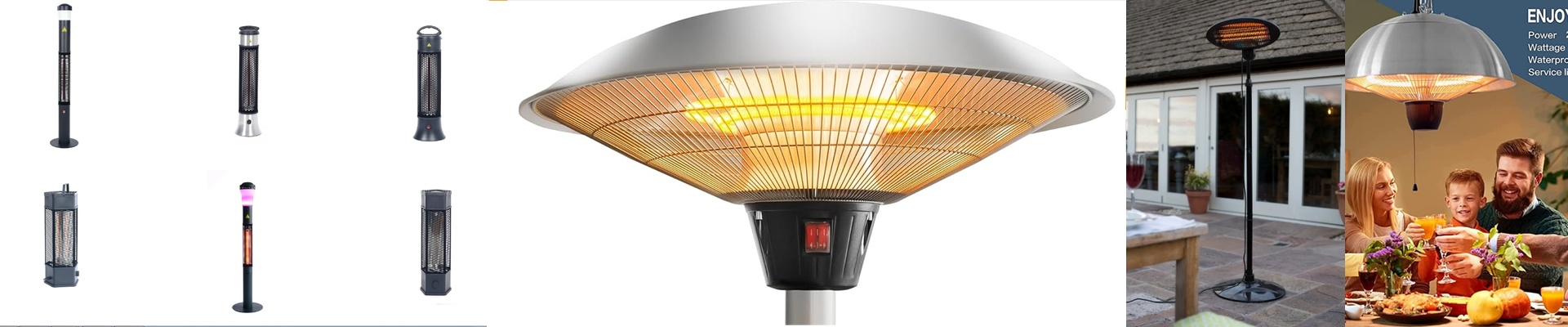
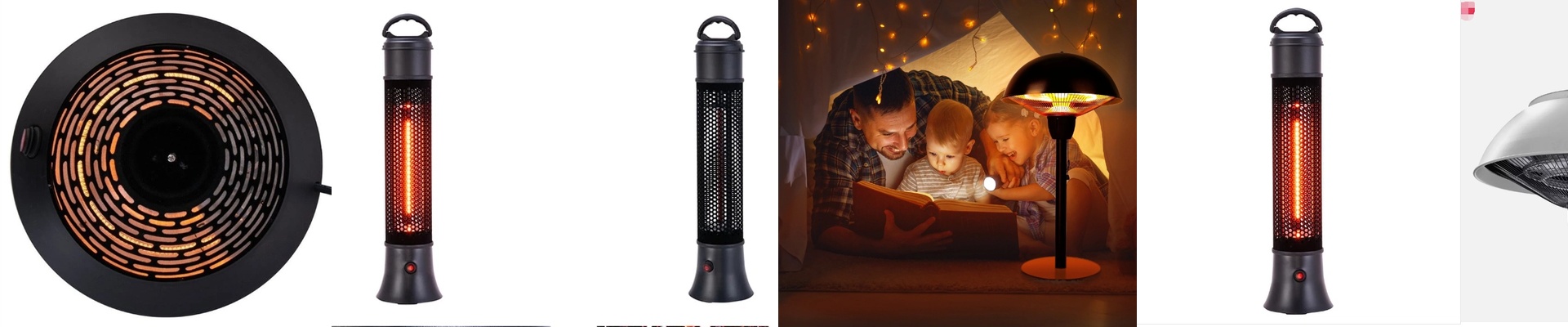
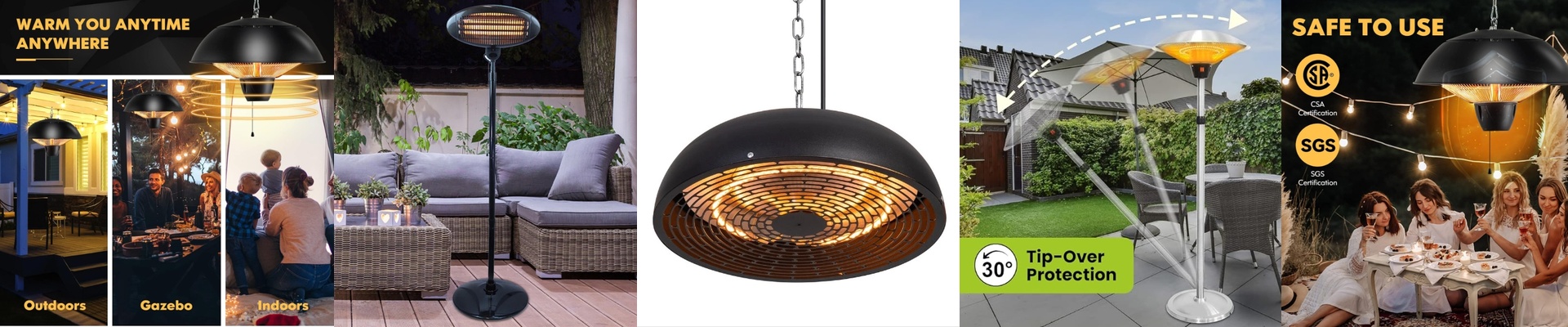
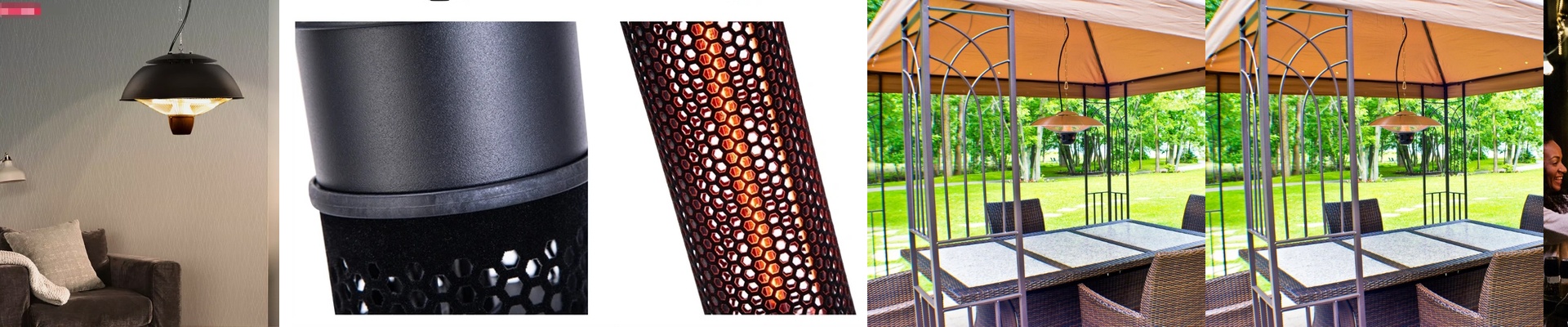
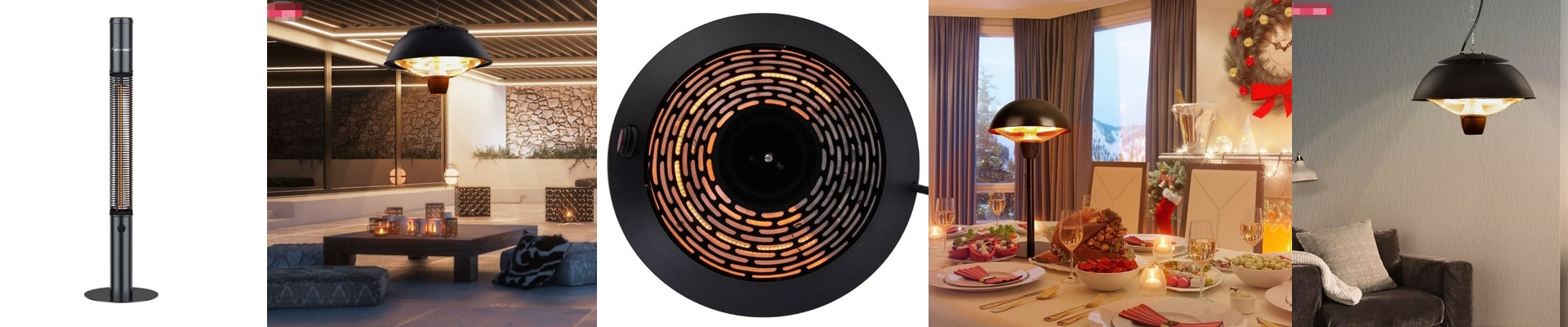
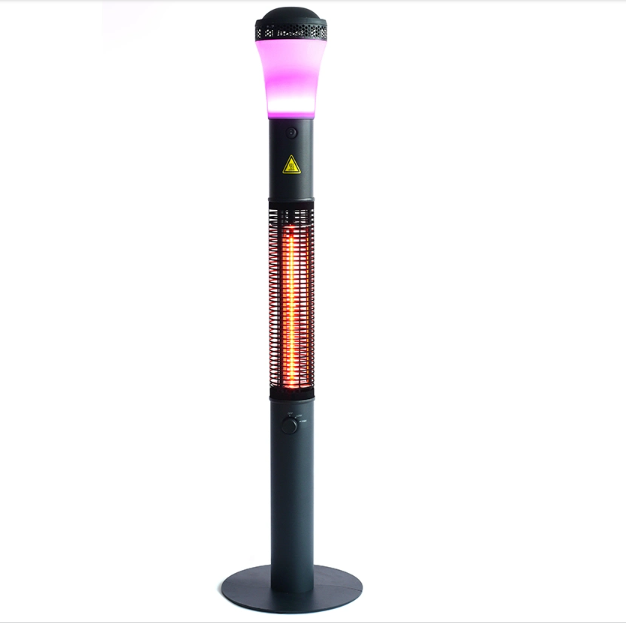
Winter evenings on the patio or in the living room should feel cozy, not like you’re running a power plant. When the temperature drops, the question that hits the wallet is straightforward: does an infrared freestanding fireplace actually save on electricity? The answer comes down to how the heat is delivered.
What matters under the hood
Infrared freestanding fireplace heaters rely on radiant warmth, not convection, so the heat goes straight to people and objects—much like sunlight warming your skin. Inside, a high-efficiency carbon fiber or quartz tube element turns nearly all the input power into infrared output, with minimal waste. Pair that with a precise thermostat and instant-on performance, and the unit only pulls full power until the comfort level is reached, then settles into a lower duty cycle. In practice, that focused delivery can trim energy use by up to 30% compared with conventional electric heaters that warm air that quickly slips away.
Why it works in real life
Whether you’re extending outdoor living on a cool evening or adding supplemental warmth to a drafty room, you get immediate comfort with less energy. You feel the warmth within seconds, not minutes, and there’s no noisy fan kicking up dust. For the homeowner, that means steadier comfort and a clearer read on the monthly bill. Over a season, the savings add up. And because radiant heat doesn’t dry the air as aggressively, the space feels more natural and inviting.
The practical details
These units plug into a standard outlet, but they do best on a dedicated circuit to avoid tripped breakers at startup. Clearances are non-negotiable around the heater, and for outdoor use, look for an IP rating that matches your exposure to moisture. Radiant warmth is highly efficient, but it heats people and surfaces directly, so room size and placement matter.Position it where you actually gather, and if you need broader air warming, supplement with a secondary heater.