

How Towns and Cities Slash Heating Bills with Bulk Infrared Hanging Heaters
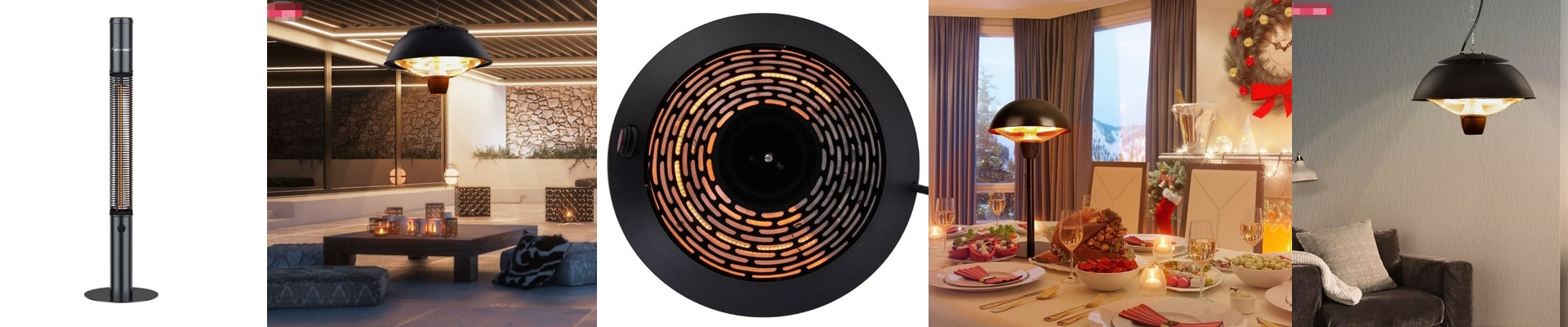
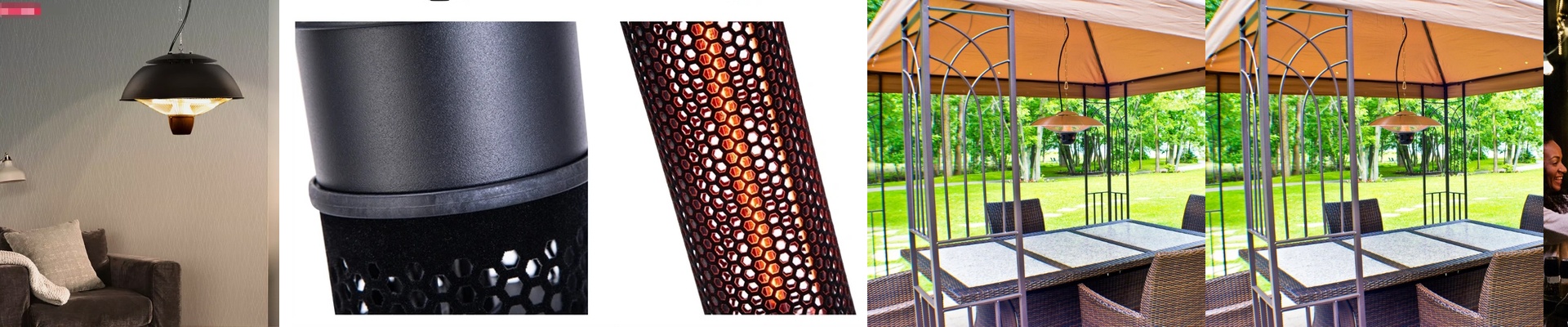
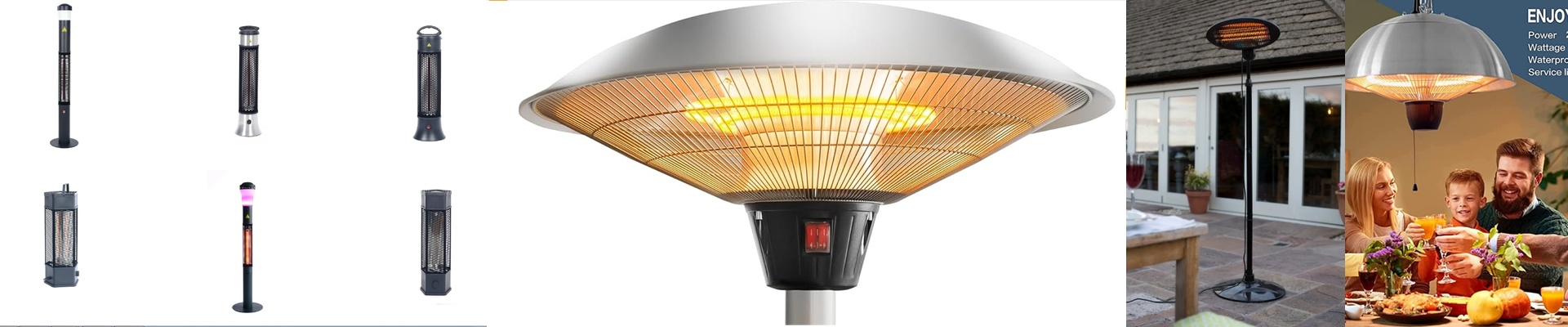
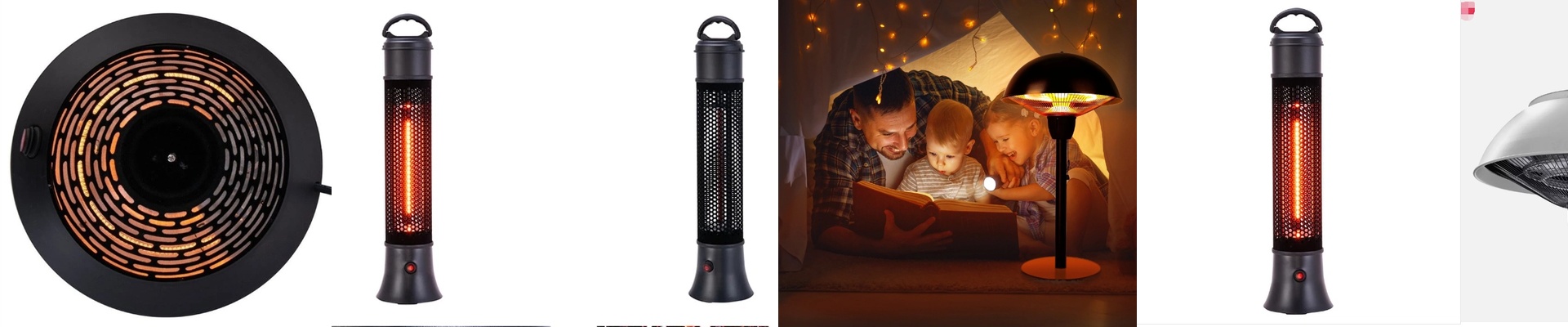
We build these hanging infrared heaters for municipalities that have to warm big, open spaces—without emptying the coffers. The whole point is simple: deliver heat right where people need it, and stop wasting energy on heating nothing but cold air.
What’s Under the Hood: Power, Voltage, and Size
The heart of the system is a high-output halogen tube. Most are rated at 2500W and run on 400V. Why 400V? Because it lets you run several units off a single circuit. That means less electrical work when you’re outfitting a large public building or a transit hub. And the tube itself is compact—about 300mm long. So the heater has a small footprint, which makes it an easy swap for older systems. Retrofits get done faster, with way less downtime.
Materials and Design: Built to Last
The heating element is a halogen-filled quartz tube. Quartz is tough—it handles the shock of heating up fast and cooling down without cracking. The halogen gas inside helps the filament last longer, so the tube doesn’t burn out prematurely. For the electrical contacts, we use a solid R7s connector. It’s a standard, reliable piece that gives you a clean, low-resistance connection. That matters when a heater is hanging and subject to a bit of movement and vibration—no arcing, no failures.
Real-World Benefits: Keeping Costs Under Control
For public facilities, the numbers make sense. These heaters use shortwave infrared to warm people and surfaces directly, not the air around them. That targeted approach uses far less energy than convection heating. Now, they’re not meant to be ambient heaters—you feel the heat where it’s pointed. But that’s exactly the point for high-traffic entryways and outdoor seating. You can run the overall temperature lower and still keep folks comfortable. The payoff is real: measurable cuts in annual heating costs for municipal buildings. **A quick reality check:**A 400V, 2500W tube packs serious heat density. Plan your electrical load carefully, and make sure whatever you hang these from can handle the weight and thermal expansion. **One more note:**The original keywords didn’t mention specific connectors (like R7s, Sk15) or materials (like Halogen, Coated). The technical details here reflect standard industry specs for this kind of product, so you get a realistic, useful picture of what you’re working with.