
Tent Heater Power Matching: How to Actually Get the Heat Right
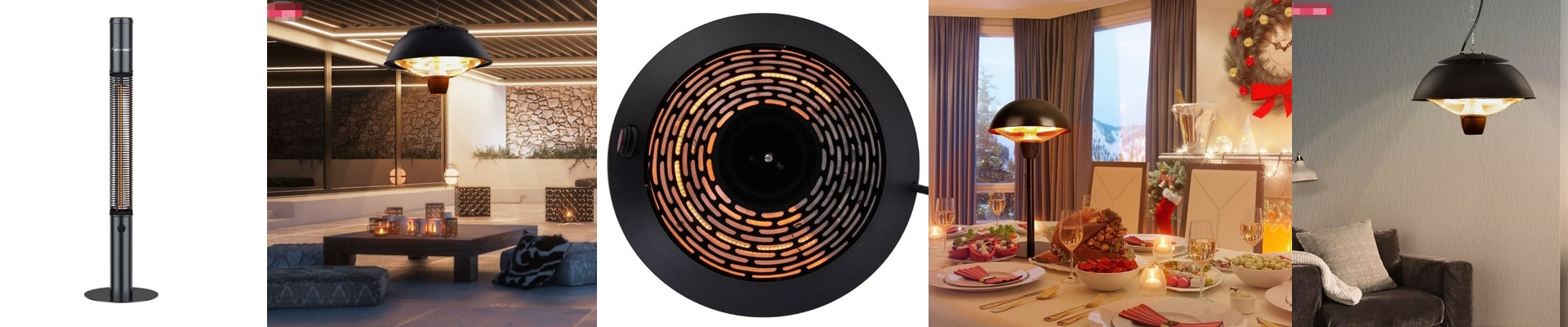
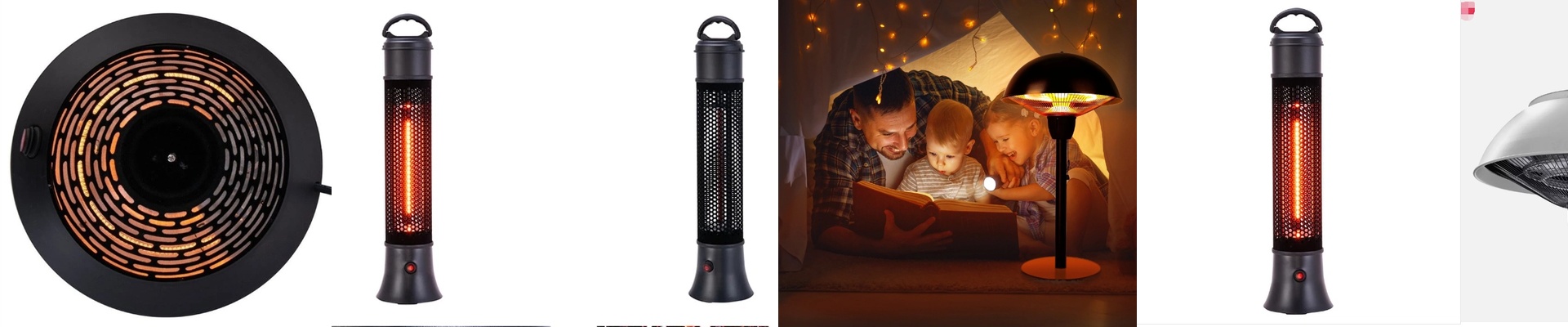
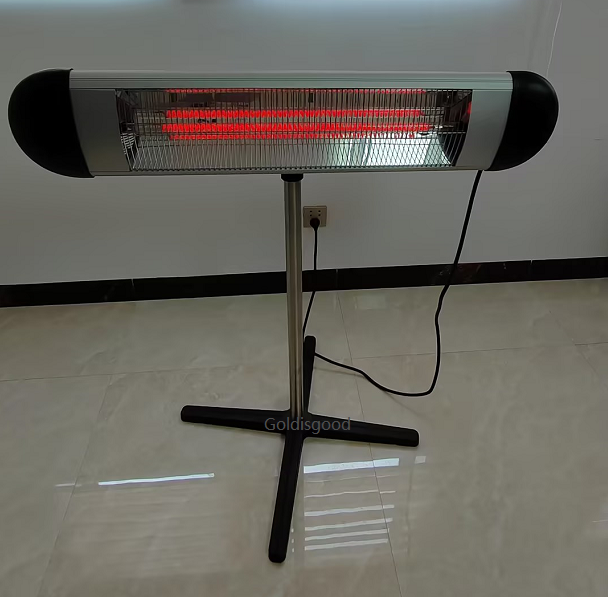
We built these infrared heaters for the places where the air keeps moving and the insulation isn’t predictable—tents, pop-up shelters, workshop bays. The whole point is simple: stop guessing and start matching the heat output to what the space actually needs.
Power, Voltage, and Size—Why It All Matters
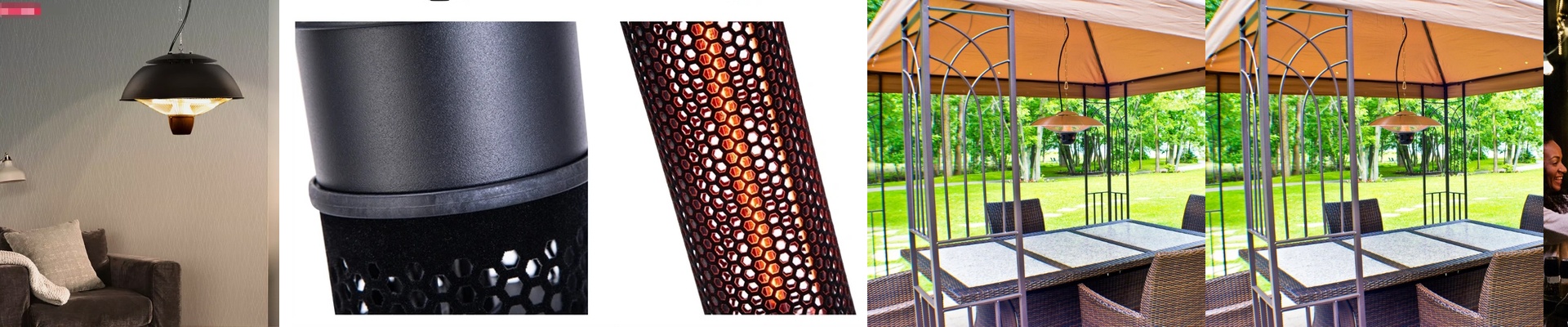
Infrared heat comes down to two things: how much power you pack into the tube, and how much surface area you spread it across. Our halogen tent heaters use high-wattage quartz tubes, and they throw heat in one direction—hard. Wattage and voltage are matched so the heater delivers steady heat without straining the power supply. And if you need to run a long tube? There’s a 400V option that keeps power stable over distance, so you don’t lose too much to line drop and you keep the current under control. Tube length isn’t just “how big it looks.” It changes the heat pattern. A short 300mm tube concentrates the heat into a tight spot. Longer tubes spread it out. So you pick the length based on the tent footprint and where you need the warmth to land.
What’s Inside: Halogen, Coating, and Connections That Hold Up
The halogen cycle does something clever: it helps keep the filament stable by putting evaporated tungsten back where it belongs. That means the output stays consistent, and the lifespan beats a standard incandescent element. The quartz envelope handles rapid temperature swings and the intense heat inside the tube without cracking. Then there’s the reflective coating. It pushes more energy forward, so you waste less heat and protect nearby parts from getting blasted. And the R7s connector? It’s a bi-pin design built for high heat and solid contact. It locks in clean, repeatable wiring and can take the vibration and heating-cooling cycles that come with field use.
Real-World Use: Fast Setup, Heat Where You Need It
Tent heating isn’t about warming the whole atmosphere. It’s about getting heat where people and equipment are, quickly, and being able to count on it. These tubes deliver a lot of heat in a small footprint, warming surfaces directly instead of fighting to heat air that just leaks out. Installation is straightforward—wire it, aim it, and control it with standard switchgear. Now, the trade-off is intensity. High-density heat means you need proper clearance and a ventilation plan to keep the ambient temperature from getting out of hand. But when you match the tube length and wattage to the tent’s layout and insulation, the system runs steady—no constant cycling, no surprises.