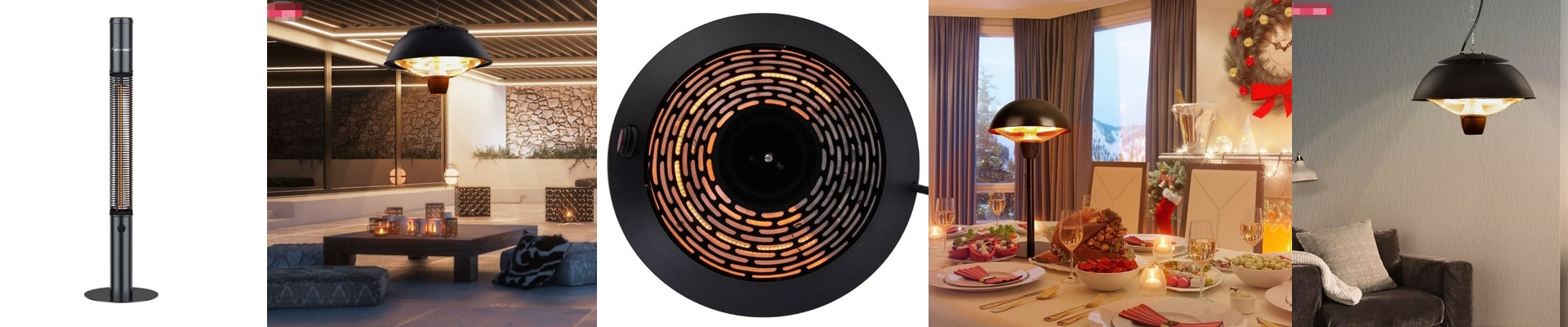

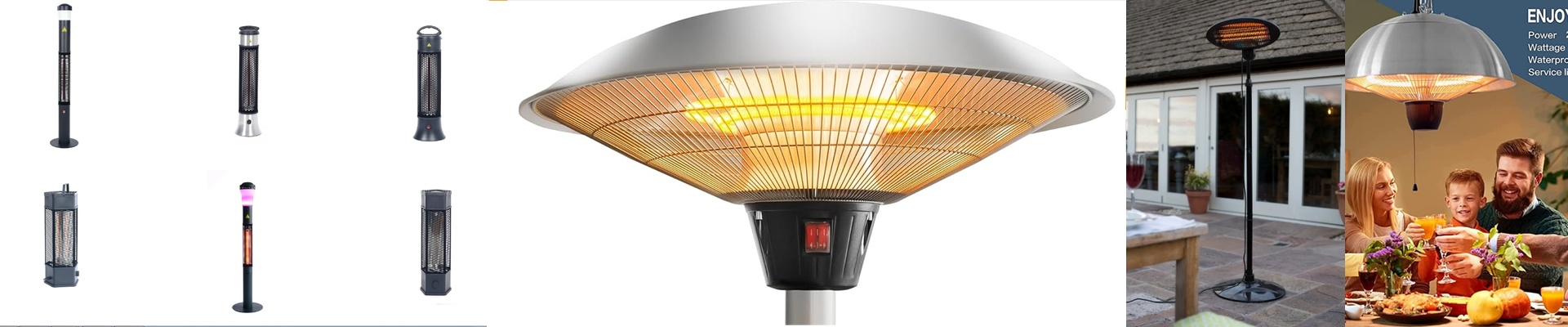
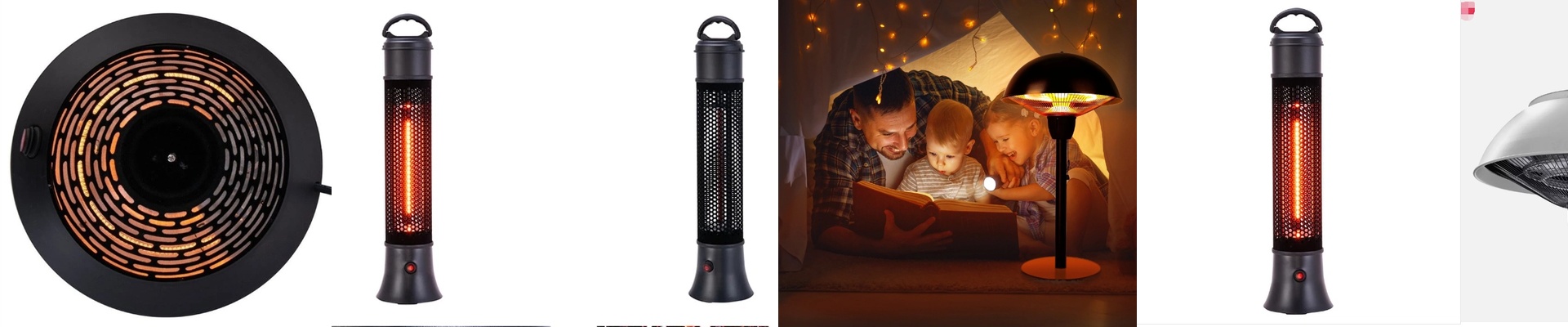
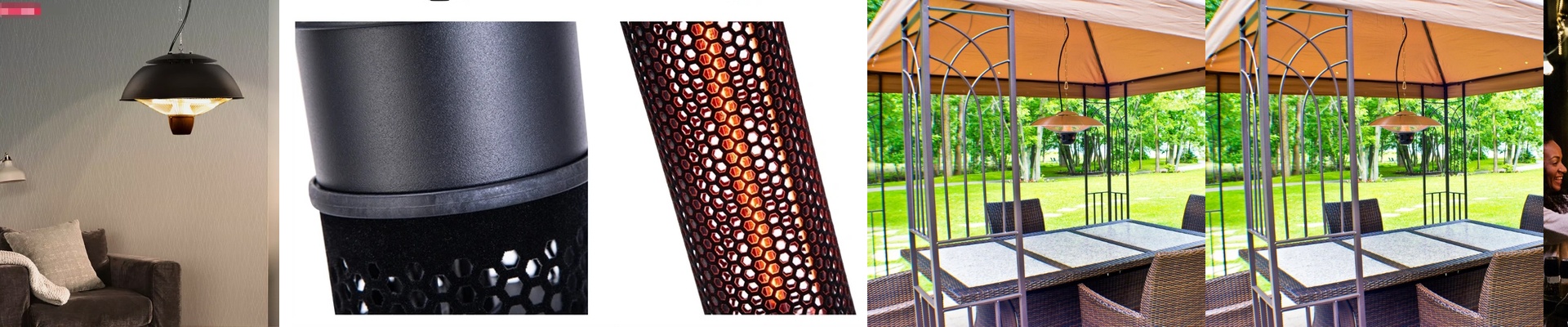
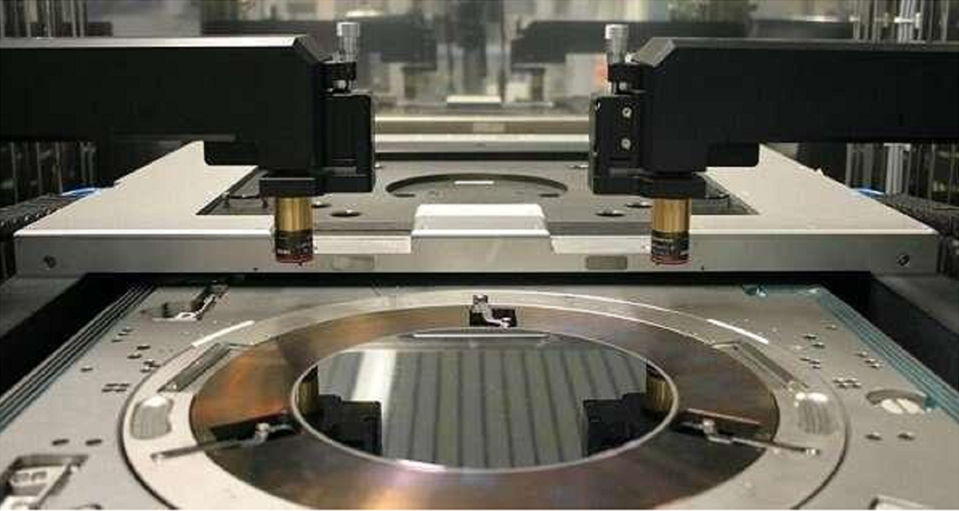
Out on the lithography floor, the wafer comes off the final rinse and the clock starts. Conventional drying leaves behind water marks, thin films, and particles you can’t see — until they show up as defects in the photoresist. In a 300mm fab running Class 1 cleanliness, that isn’t a risk. It’s yield walking out the door. What matters under the hood We built the wafer drying infrared heater around short-wave NIR. It dumps energy straight into the water film, fast — response under 50ms. Thermal uniformity across the wafer holds at ±0.1°C, so you don’t get hot/cold spots that mess with photoresist reflow after soft bake and hard bake. The emitter arrays sit behind sealed quartz, with a low-outgassing, particle-free interface, and the platform is cleanroom-compatible down to Class 1–100. Repeatability comes from closed-loop control that tracks setpoint within 0.5%, even running 24/7. In multi-cluster deployments, we’ve logged zero unplanned downtime over 18 months. Why this works where it counts Before spin, you need a truly dry wafer. After spin, you need bake profiles you can count on. The infrared heater dries without touching the surface, stripping the last 10–20nm of water without residues that cause scumming or bridging. The same thermal platform handles photoresist soft bake and hard bake with stable profiles, so linewidth control tightens and rework drops. Fewer defects. Less scrap. Cycle time you can plan around. Energy use falls because the heater delivers on-demand, without idling bulk fixtures. Installation needs clean alignment to the process chamber and a dedicated exhaust path to pull out latent solvents during bake. The heater plugs into SEMI-standard tool interfaces, though legacy platforms may need minor mechanical tweaks. Commissioning is short once you tune the recipe to your photoresist stack. In high-throughput lines, set up a schedule to inspect the quartz window — it keeps particle performance where it needs to be.
Litografi katında, wafer son durulama işleminden çıkar ve zaman başlar. Geleneksel kurutma yöntemleri, fotoresistte kusur olarak ortaya çıkana kadar görünmeyen su lekeleri, ince filmler ve partiküller bırakır. Class 1 temizlik standardında çalışan 300mm bir tesiste bu risk oluşturmaz. Bu, verim kaybıdır.
Motor kapağının altında önemli olanlar
Wafer kurutma infrared ısıtıcısını kısa dalga NIR etrafında tasarladık. Enerjiyi doğrudan su filmine, hızlı şekilde — 50ms altında tepki süresiyle — aktarır. Wafer üzerindeki termal homojenlik ±0.1°C’de sabit kalır, böylece soft bake ve hard bake sonrası fotoresist yeniden akışında sıcak/soğuk noktalar oluşmaz. Emitter dizileri, düşük gaz çıkışı ve partikülsüz bir ara yüzey sağlayan kapalı kuvarsın arkasında yer alır ve platform, Class 1–100 temiz oda uyumluluğuna sahiptir. Tekrarlanabilirlik, ayar noktasını %0.5 içinde takip eden kapalı döngü kontrolüyle sağlanır ve 7/24 çalışmada bile bu korunur. Çoklu küme uygulamalarında 18 ay boyunca plansız duruş kaydı alınmamıştır.
Neden kritik noktada işe yarar
Spin öncesi gerçekten kuru bir wafer gerekir. Spin sonrası, güvenilir bake profilleri gerekir. Infrared ısıtıcı, yüzeye temas etmeden kurutur; son 10–20nm suyu, skumming veya köprülenmeye neden olan kalıntılar bırakmadan giderir. Aynı termal platform, fotoresist soft bake ve hard bake işlemlerini stabil profillerle yönetir; böylece çizgi genişliği kontrolü sıkılaşır ve revizyonlar azalır. Daha az kusur, daha az hurda. Planlanabilir çevrim süresi. Isıtıcı, toplu ekipmanları boşta bekletmeden talebe göre enerji sağlar; bu da enerji tüketimini düşürür.
Kurulumda, proses odası ile temiz hizalama ve bake sırasında latent çözücülerin tahliyesi için ayrılmış bir egzoz hattı gereklidir. Isıtıcı, SEMI standart araç arayüzlerine bağlanır; ancak eski platformlarda küçük mekanik ayarlamalar gerekebilir. Fotoresist yığınına uygun reçete ayarlandıktan sonra devreye alma süresi kısadır. Yüksek kapasiteli hatlarda, kuvars camın periyodik olarak kontrol edilmesi için bir program oluşturulmalıdır — bu, partikül performansını istenilen seviyede tutar.