

CE-Certified Infrared: The Global Standard for Multinational Brands
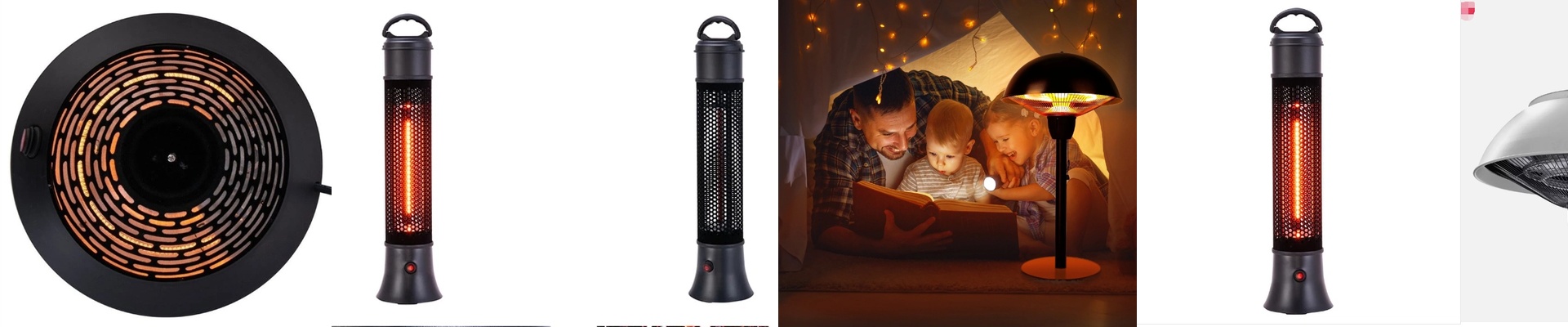
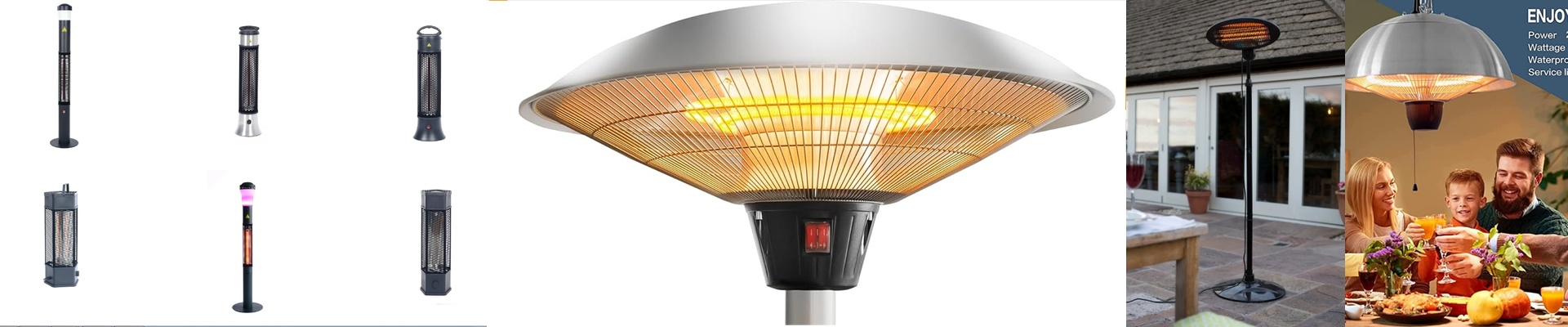
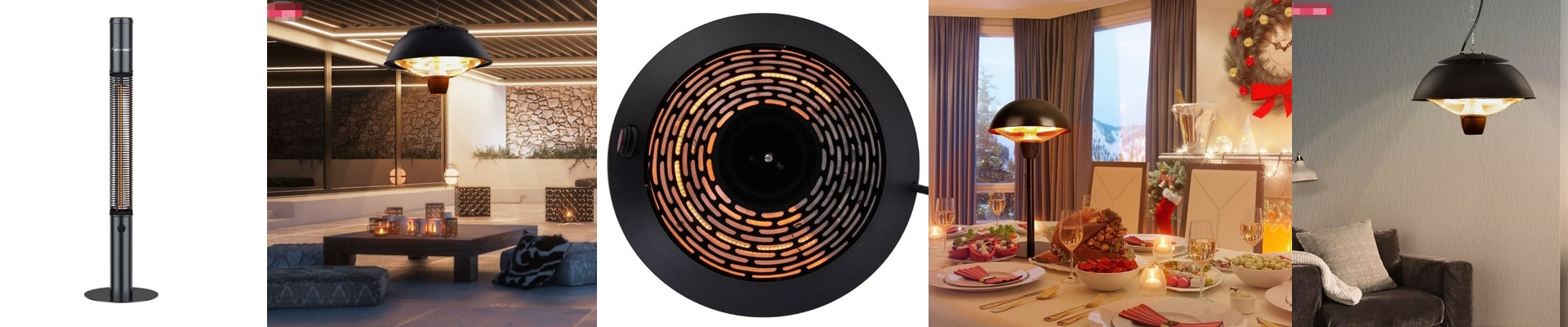
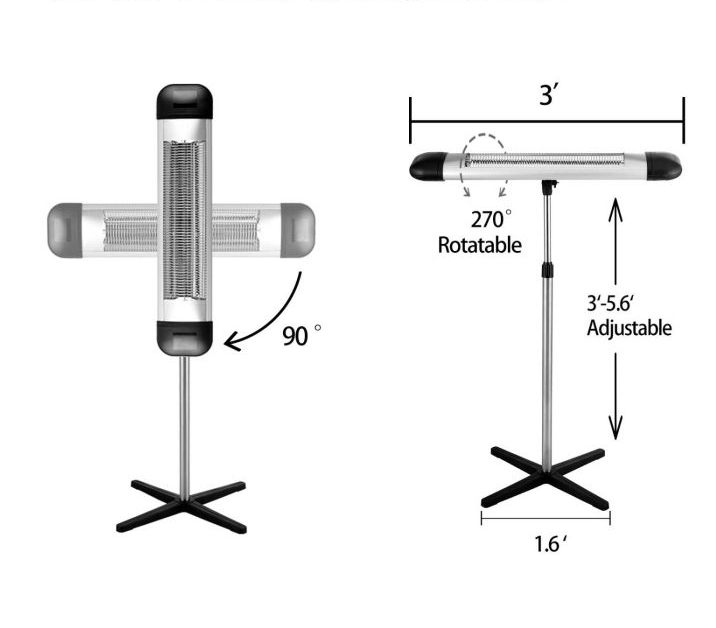
Let’s talk about a Travel electric heater that’s actually built for the real world. We designed this as a universal, engineer-grade heating solution—tough, dependable, and ready to plug in and work. Because it’s CE-certified, you can use it as a straight swap across production lines worldwide. For multinational brands, that means one part number covers everything. Less mess in procurement. Fewer headaches in service.
Power, Voltage, and Size—Plain and Simple
This heater runs on a 400V supply and cranks out 2500W, packing serious heat density into a small footprint. We picked this spec so it can run on common industrial voltages without needing a transformer. That saves cabinet space and keeps integration straightforward. The tube length is standardized at 300mm—chosen specifically to fit existing reflector setups and tight heating zones. A heads-up: this isn’t a low-voltage unit. A 400V, 2500W heater pulls a lot of current, so your machine design needs to account for proper wiring, correctly sized contacts, and solid cooling. If the control panel is starved for airflow, rising ambient temps will shorten component life. Plan the electrical and thermal budget early.
Inside the Build: Halogen, Quartz, and the R7s Connection
At the heart is a halogen infrared element inside a quartz tube. The halogen chemistry keeps the filament stable and prevents blackening over time, so output stays consistent between service intervals. The quartz envelope handles thermal shock well and enables fast start-up, so the heater hits temperature quickly. The connector is R7s—an industrial standard that’s proven itself at high current and high temperature right at the tube ends. It’s a simple, two-terminal interface that makes replacement fast on the shop floor. The terminals stay tight even with repeated handling, and the design keeps the hot zone isolated from nearby components.
Real-World Use: Heat You Can Count On, Swaps You Can Speed Through
On the line, this heater shines wherever you need localized, fast, non-contact heating. Think plastic processing, sealing, drying, and pre-heat stations. CE compliance gives you the documentation you need for audits and inspections, while the standardized form factor lets engineers specify one part across all plants. You get predictable output, repeatable mounting, and a replacement cycle that fits right into maintenance schedules. The trade-off is heat density: 2500W in a 300mm tube means strong intensity, so you need adequate cooling and proper clearance. Size the system to the load, and this heater runs like a proper machine component—not a throwaway consumable.