
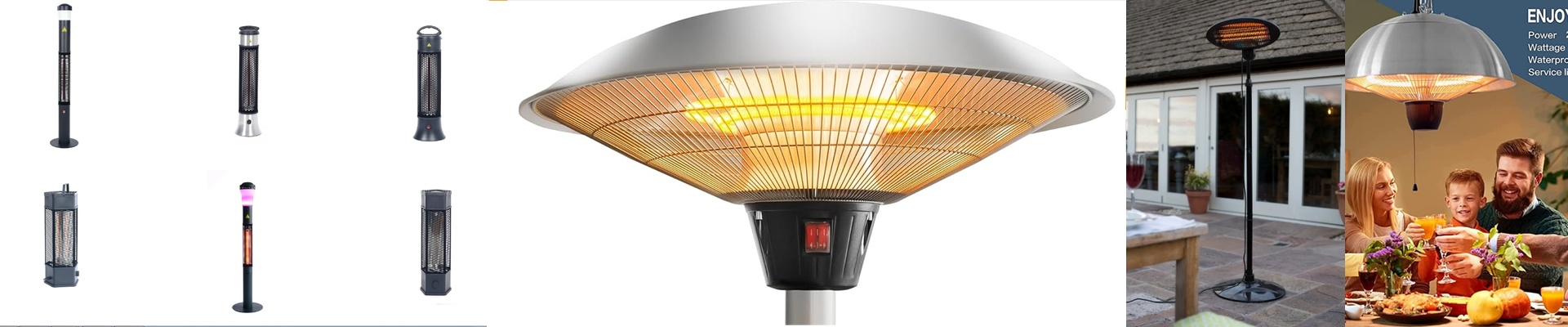
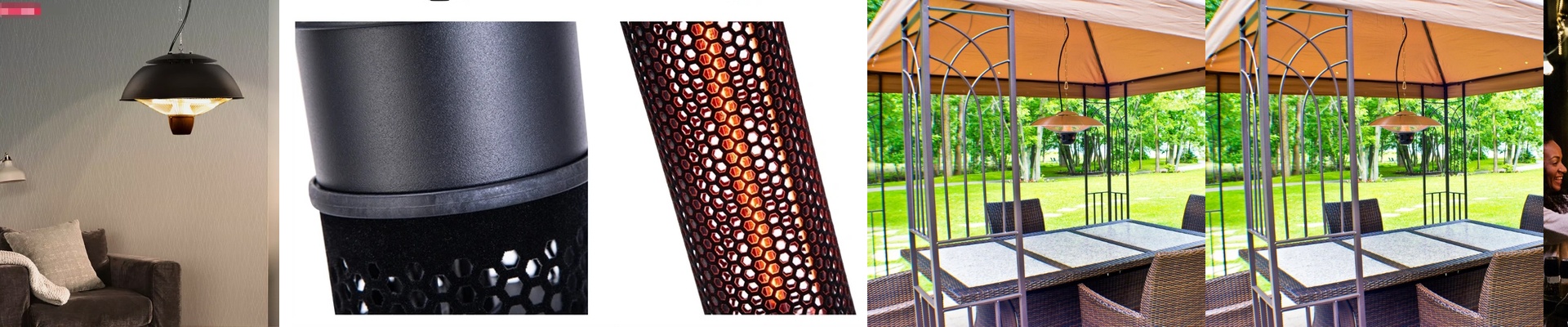
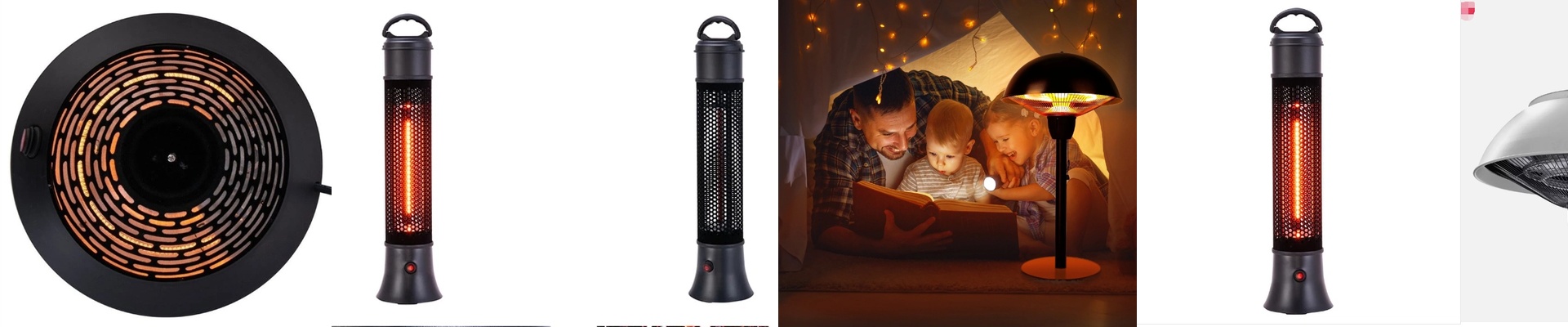
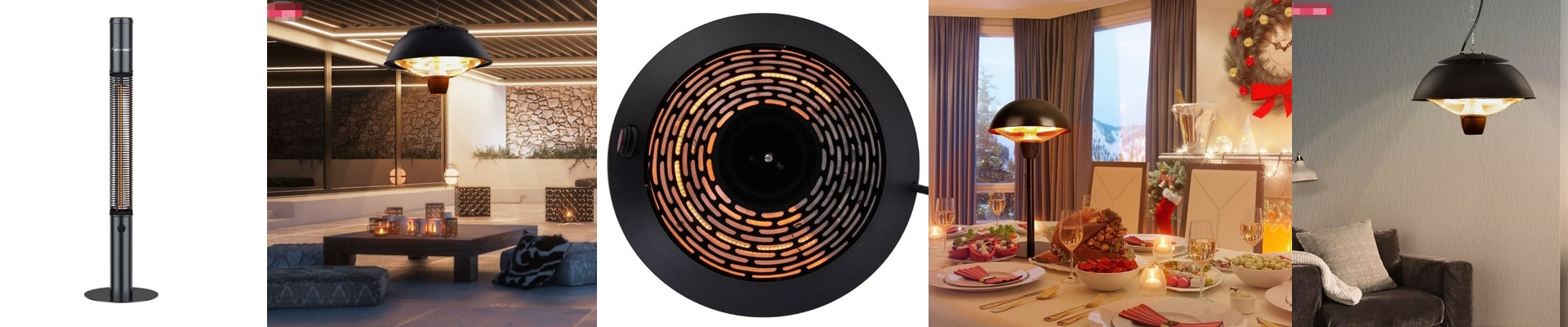
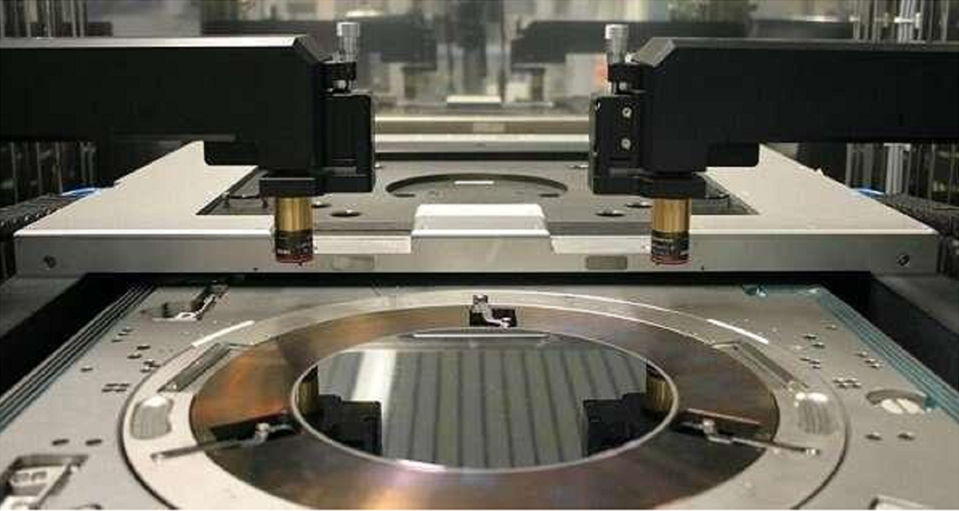
Out on the lithography floor, the wafer comes off the final rinse and the clock starts. Conventional drying leaves behind water marks, thin films, and particles you can’t see — until they show up as defects in the photoresist. In a 300mm fab running Class 1 cleanliness, that isn’t a risk. It’s yield walking out the door. What matters under the hood We built the wafer drying infrared heater around short-wave NIR. It dumps energy straight into the water film, fast — response under 50ms. Thermal uniformity across the wafer holds at ±0.1°C, so you don’t get hot/cold spots that mess with photoresist reflow after soft bake and hard bake. The emitter arrays sit behind sealed quartz, with a low-outgassing, particle-free interface, and the platform is cleanroom-compatible down to Class 1–100. Repeatability comes from closed-loop control that tracks setpoint within 0.5%, even running 24/7. In multi-cluster deployments, we’ve logged zero unplanned downtime over 18 months. Why this works where it counts Before spin, you need a truly dry wafer. After spin, you need bake profiles you can count on. The infrared heater dries without touching the surface, stripping the last 10–20nm of water without residues that cause scumming or bridging. The same thermal platform handles photoresist soft bake and hard bake with stable profiles, so linewidth control tightens and rework drops. Fewer defects. Less scrap. Cycle time you can plan around. Energy use falls because the heater delivers on-demand, without idling bulk fixtures. Installation needs clean alignment to the process chamber and a dedicated exhaust path to pull out latent solvents during bake. The heater plugs into SEMI-standard tool interfaces, though legacy platforms may need minor mechanical tweaks. Commissioning is short once you tune the recipe to your photoresist stack. In high-throughput lines, set up a schedule to inspect the quartz window — it keeps particle performance where it needs to be.
การทำงานบนชั้นลิโธกราฟี เมื่อเวเฟอร์ผ่านการล้างขั้นสุดท้ายและเริ่มนับเวลา การอบแห้งแบบทั่วไปจะทิ้งคราบน้ำ ฟิล์มบาง และอนุภาคที่มองไม่เห็นไว้ — จนกว่าจะปรากฏเป็นจุดบกพร่องบนโฟโตริสต์ ในโรงงานผลิตขนาด 300mm ที่รักษาความสะอาดระดับ Class 1 ปัญหานี้ไม่ใช่ความเสี่ยง แต่มันคือผลผลิตที่สูญเสียออกไป
สิ่งที่สำคัญภายใต้ระบบ
เราออกแบบฮีตเตอร์อบแห้งเวเฟอร์ด้วยหลักการอินฟราเรดคลื่นสั้น NIR โดยส่งพลังงานตรงเข้าสู่ชั้นน้ำอย่างรวดเร็ว — ตอบสนองภายใน 50ms ความสม่ำเสมอของอุณหภูมิทั่วทั้งเวเฟอร์อยู่ที่ ±0.1°C จึงไม่มีจุดร้อนหรือเย็นที่ส่งผลต่อการไหลตัวของโฟโตริสต์หลังจากการอบแบบนุ่ม (soft bake) และอบแบบแข็ง (hard bake) ชุดอิเมิตเตอร์ตั้งอยู่หลังควอตซ์ที่ซีลอย่างแน่นหนา มีอินเทอร์เฟซที่ปล่อยไอสารต่ำและปราศจากอนุภาค แพลตฟอร์มนี้รองรับการใช้งานในห้องคลีนรูมตั้งแต่ระดับ Class 1 ถึง 100 ความสามารถในการทำซ้ำมาจากระบบควบคุมแบบวงปิดที่รักษาค่าตั้งเป้าหมายภายใน 0.5% แม้ใช้งานต่อเนื่อง 24/7 ในการติดตั้งแบบมัลติคลัสเตอร์ เราไม่มีบันทึกเวลาหยุดทำงานที่ไม่ได้วางแผนไว้เป็นเวลา 18 เดือน
เหตุผลที่ระบบนี้ทำงานได้ผลในจุดสำคัญ
ก่อนการหมุน (spin) เวเฟอร์ต้องแห้งอย่างแท้จริง หลังจากหมุน ต้องมีโปรไฟล์การอบที่เชื่อถือได้ ฮีตเตอร์อินฟราเรดอบแห้งโดยไม่สัมผัสผิว ทำให้น้ำที่เหลือ 10–20nm สุดท้ายถูกกำจัดโดยไม่มีสารตกค้างที่ก่อให้เกิดคราบหรือสะพานน้ำ ชั้นความร้อนเดียวกันนี้รองรับการอบโฟโตริสต์ทั้งแบบนุ่มและแข็งอย่างมีเสถียรภาพ จึงควบคุมความกว้างเส้นได้แม่นยำและลดงานแก้ไข จุดบกพร่องลดลงของเสียลดลง รอบเวลาการผลิตสามารถวางแผนได้ การใช้พลังงานลดลงเพราะฮีตเตอร์ทำงานตามความต้องการโดยไม่ต้องเปิดเครื่องค้าง
การติดตั้งต้องจัดตำแหน่งอย่างสะอาดตรงกับห้องกระบวนการและมีทางระบายอากาศเฉพาะสำหรับดึงสารละลายที่หลงเหลือออกในระหว่างอบ ฮีตเตอร์เชื่อมต่อกับอินเทอร์เฟซเครื่องมือมาตรฐาน SEMI แม้ว่าแพลตฟอร์มเก่าอาจต้องปรับแต่งทางกลไกเล็กน้อย การเริ่มใช้งานใช้เวลาสั้นเมื่อปรับสูตรให้เหมาะสมกับชั้นโฟโตริสต์ของคุณ ในสายการผลิตที่มีปริมาณสูง ควรกำหนดตารางตรวจสอบหน้าต่างควอตซ์เพื่อรักษาประสิทธิภาพการกันอนุภาคในระดับที่เหมาะสม