
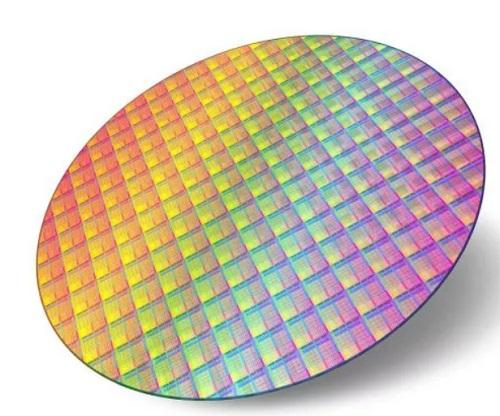
Stop the “Glass Rain”: Keeping Your Wafers Safe from Lamp Failures
In a high-load fab, one single lamp popping can ruin your entire day—and a whole batch of wafers. When a quartz tube goes, it doesn’t just go dark. It basically explodes, showering your production line in tiny glass shards and dust. It’s a disaster. That’s exactly why we built our infrared lamps with a “fail-safe” mindset. Why tubes actually break Usually, it comes down to thermal shock or the electrodes just wearing out. We use high-purity fused quartz because it can take the heat of rapid, high-wattage cycling without cracking. But we didn’t stop there. We added a shatter-resistant sleeve and a special coating. Think of it as a safety net. If the filament burns out and the tube cracks, the coating keeps the fragments locked in place. You don’t get that “glass rain” falling all over your expensive wafers. Built for the grind These lamps are meant to be pushed. We spent a lot of time on the seal between the quartz and the lead-in wires. Here’s the thing: if that seal is weak, gas leaks in. Once that happens, the filament oxidizes and—pop—there goes your lamp. We use a reinforced pinch-seal process so the vacuum stays tight, even when you’re pushing the lamp to its absolute thermal limit. The honest trade-off Now, nothing is perfect. Adding these protective layers means you lose a tiny bit of infrared transmission. You’ll probably see a 3-5% drop in raw heat compared to a totally bare tube. You might have to tweak your ramp-up times or nudge the voltage up a bit to hit your temperature targets. But honestly? It’s a trade you want to make. Swapping out a few lamps is a quick fix. Scrubbing a contaminated clean room after a burst? That’s a total nightmare.