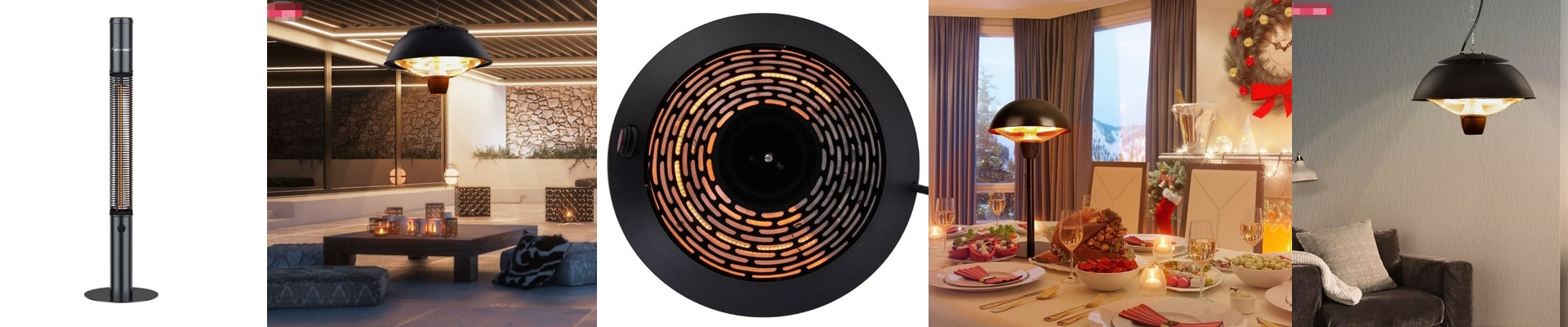

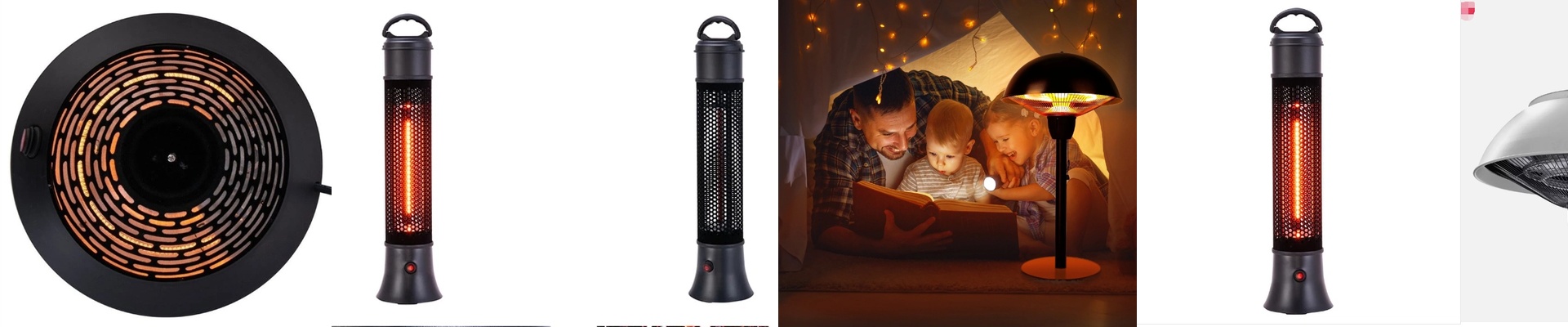
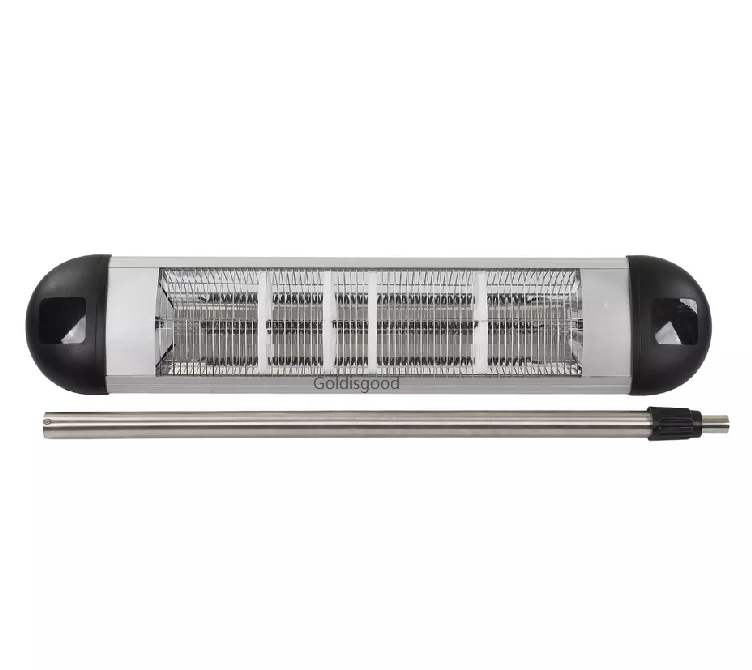
Winter nights in a hotel room get restless fast when the air turns cold. The thermostat hums. Drafts slip under the door. You wake up needing to recover instead of feeling refreshed. We built our infrared hotel room heater to fix that—warmth you feel the moment it hits, without the noise that keeps you awake.
What matters under the hood
Infrared warmth works by radiant heat, the same way the sun warms your skin on a cool day. Inside, a carbon fiber element heats up quickly and spreads heat evenly without a noisy fan. The payoff is near-silent operation—low decibels—so the room stays quiet while the comfort arrives. It plugs into a standard 120V outlet, draws a modest current for hotel circuits, and runs on a built-in thermostat for steady, consistent comfort. Safety is built in: tip-over protection and an overheat cutoff. And the footprint is compact, so there’s still room for luggage and easy movement.
Why this approach fits hotels
In a hotel, comfort is measured in how well people sleep. Fan-forced heaters kick up dust and noise. Baseboard units can feel slow to respond. Infrared heat warms you faster, keeps the room from feeling drafty, and holds a stable temperature through the night. Guests tend to notice fewer temperature swings, less tossing and turning, and a deeper sleep. For hotel operators, the direct, efficient heating helps manage energy use without cutting into guest comfort. And the quiet operation supports the premium sleep experience guests are paying for.
The details that make it work
Infrared heating performs best in well-insulated rooms, and it works most effectively when the heater is in the line of sight—so you feel the warmth where you sit or sleep. Think of it as supplementing the room’s comfort, not replacing a full HVAC system when it’s extreme cold. For best results, keep the unit unobstructed and set the thermostat to your preferred sleeping temperature. If the room is unusually large or drafty, adding gentle air circulation helps distribute warmth evenly.