


Why We Put Gold Inside Our Heater Housings
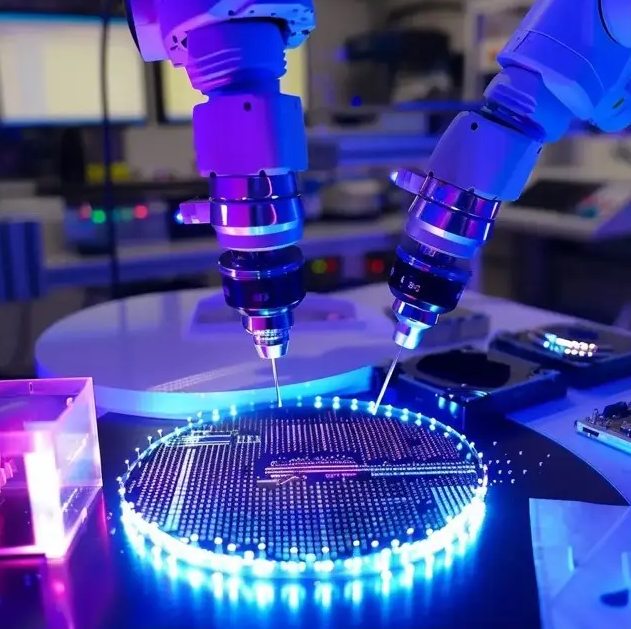
When you’re heating silicon wafers, every bit of energy counts. If that heat is soaking into the walls of your housing instead of hitting the wafer, you’re basically throwing power and time down the drain. That’s why we use gold-coated reflective tech inside our stainless steel housings. It’s a simple goal: we want every single watt of infrared radiation to bounce right back onto the wafer. The deal with gold Now, polished stainless steel is fine. It does a decent job. But when you get into the long-wave infrared spectrum, it starts to struggle. Gold is different. It reflects over 98% of that energy. By lining the interior with gold, we turn the housing into a mirror. Instead of the walls absorbing the heat and warming up your cleanroom, the energy hits the gold and snaps right back toward the target. Building it to last We start with high-grade stainless steel. Why? Because these things go through hell with extreme thermal cycling, and we can’t have the housing warping. To get the gold on there, we use vacuum deposition. It’s a precise process that ensures the coating stays put. You won’t see it flaking or peeling when the system ramps up to temperature. But here’s the tricky part: the geometry. If the curve of the housing is off by even a few millimeters, you’ll end up with hot spots. That’s a nightmare for wafer consistency. We carefully match the focal length to your specific lamp output so the heat map stays uniform across the whole wafer. The catch Gold is an incredible reflector, but it’s soft. If your process uses corrosive gases or abrasive particles, the coating can get pitted over time. Once those tiny holes appear, your efficiency takes a hit. You’ll need to stay on top of your cleaning. Keep those surfaces mirror-bright. Otherwise, you’ll find yourself cranking up the wattage just to make up for the energy you’re losing.