


Why Gold-Coated IR Lamps are the Way to Go for Lead-Free Semi
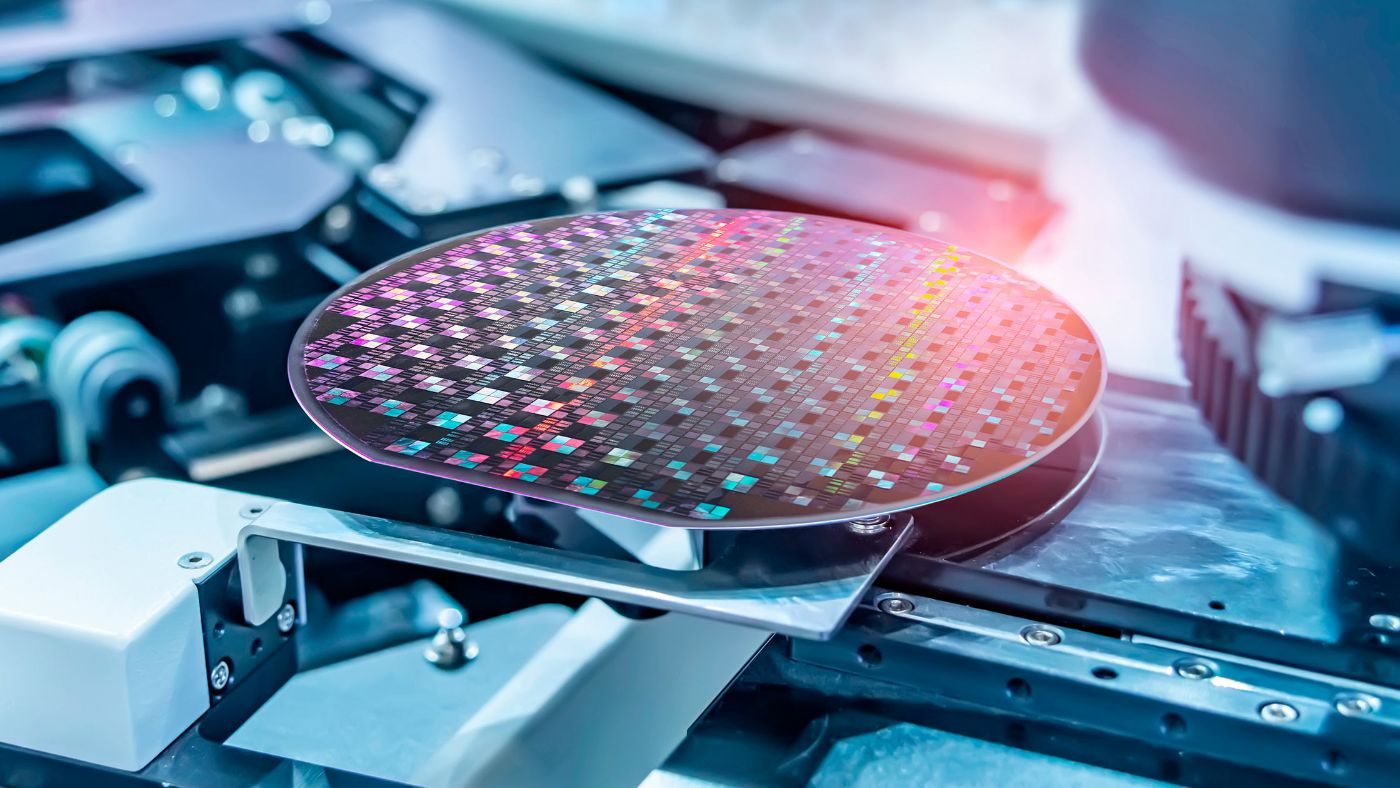
The semiconductor world is pushing hard toward “green” and lead-free production. But here’s the problem: those old-school convection ovens are energy hogs. They spend way too much time just heating up the air in the room before they even touch the product. That’s why we switched to gold-coated infrared (IR) lamps. Instead of heating the whole chamber, these lamps use direct radiation. It’s like the difference between waiting for a room to warm up and just stepping into the sunlight. You dry the substrates directly. Simple. The magic of the gold coating If you use a standard quartz lamp, you get a broad spectrum of heat. In semiconductor curing, that’s a problem. You need a very specific wavelength to get through the photoresist or adhesive without accidentally scorching the wafer. So, we add a thin layer of gold to the quartz. This acts as a filter. It bounces the long-wave radiation back into the filament and pushes the energy into a tight, short-wave band. The result? The energy hits the target hard and fast. Your curing cycles get shorter, and your throughput goes up. A quick heads-up on the setup These lamps are designed for tight spaces, but there’s a catch. Because the energy is so concentrated, the lamp surface gets hot—fast. You can’t just slide these into an old housing and hope for the best. You’ve got to make sure your cooling system can handle the reflected heat. If you don’t, you’ll end up burning out the lamp ends, which is a headache nobody wants. Doing right by the planet Lead-free soldering is tricky because the thermal profiles have to be spot on. IR lamps handle this easily because they hit the target temperature in seconds. No combustion gases, no weird chemical solvents. For anyone trying to decarbonize a cleanroom, this is probably the smartest move you can make. You’re cutting the power draw per wafer because there’s no wasted heat. No emissions. Just photons hitting the substrate and getting the job done.