
Introduction
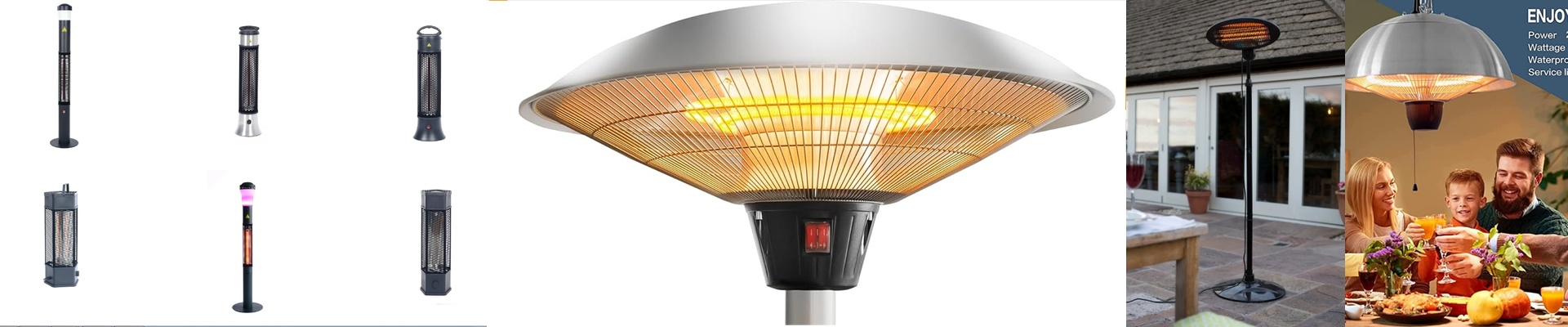
We build electric heaters that are built to last. And at the heart of our smart-ready models is a low thermal inertia infrared heating element. Think of it as more than just a heat source. It’s the fast-acting muscle that makes a truly smart climate control system actually work. When your system needs to react in seconds, you need a heater that can go from zero to full power almost instantly. That’s how you cut down on waste and keep your energy bills from skyrocketing.
Power, Response, and Control: The Real-World Difference
Here’s the deal with “low thermal inertia”: it simply means the element heats up and cools down at lightning speed. In practice, that gives you near-instant on/off response. So the control system can match the heat output to exactly what you need, right now. No more of that lag and overshoot you get from heaters with a lot of thermal mass—the kind that keep wasting power just to hold a temperature after the room is already warm. That translates directly into energy savings. Instead of turning a bulky heater on for long stretches, the system makes small, precise adjustments. It shortens the runtime and keeps the temperature right where you want it. For the engineers out there, this means you can use smaller wiring and smaller relays. You’ll still hit your target temperature without that frustrating back-and-forth.
The Design: Why It Heats So Fast
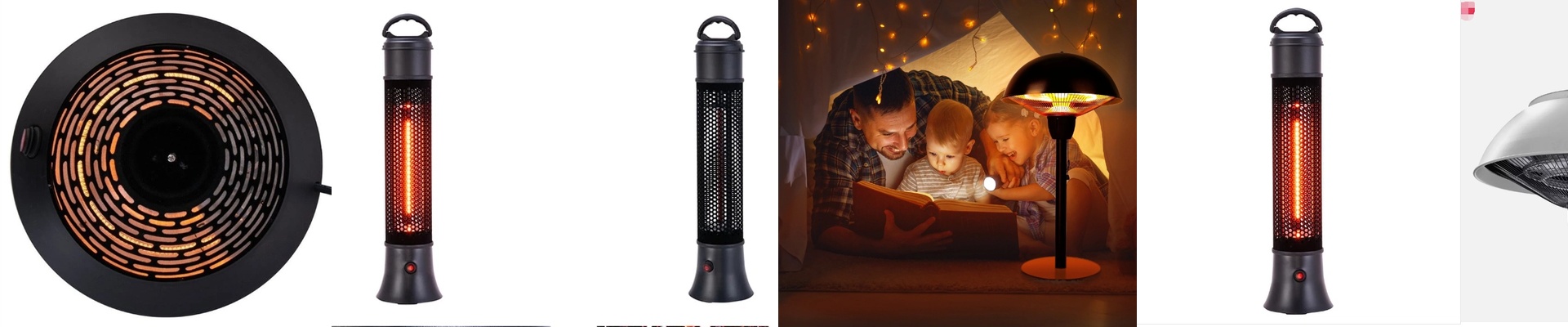
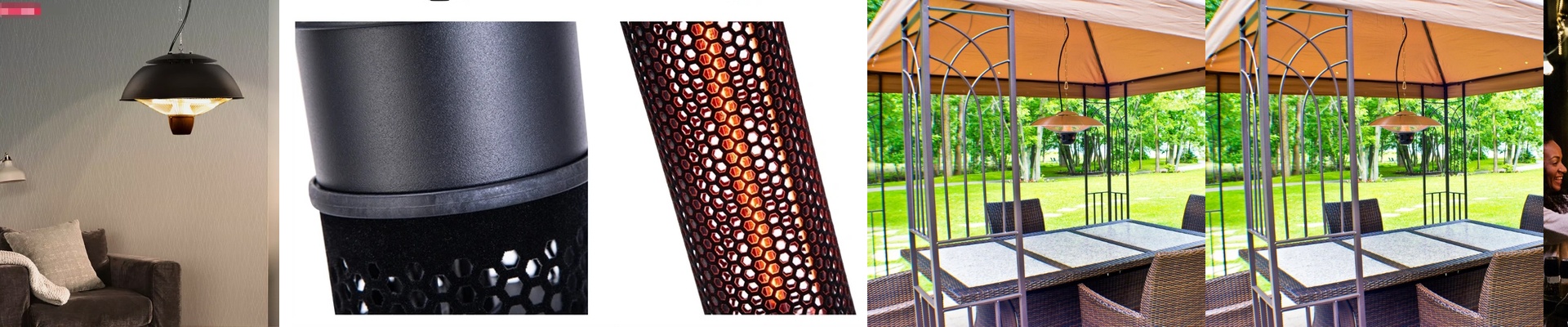
We use an infrared filament inside a quartz envelope. Why quartz? It transmits infrared heat incredibly well and handles rapid heating and cooling without breaking a sweat. The shortwave heat profile sends high-intensity warmth right onto objects and people, not just into the air. It’s a more direct kind of comfort, which means you can feel cozy even when the air temperature is set lower. And this design is built for the long haul. The filament and lead-in wires are engineered to handle repeated thermal shock without burning out. But there’s a trade-off. The faster the response, the higher the peak current when the heater starts up. So just make sure your driver or relay can handle that initial surge—otherwise, you’ll be replacing switches way too often.
Smart Homes, Real Savings
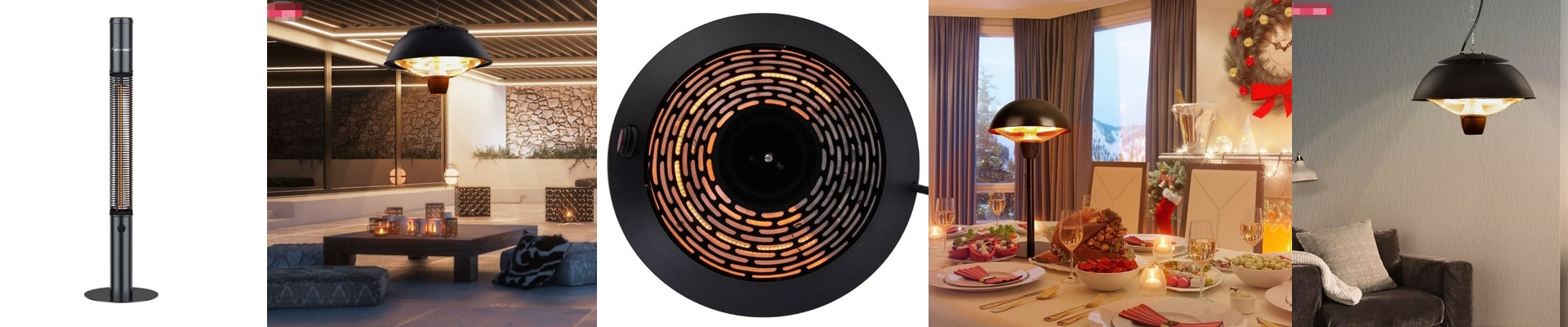
In a smart home control loop, this low-inertia infrared element works like a fast valve. It gives the controller the fine control it needs to run predictive logic—like pre-heating right before you get home, then dialing it back the moment the sensor hits the target temperature. That cuts down on standby losses and avoids those long stabilization periods that eat up power. For installers, the compact size makes integration a breeze. For homeowners, the payoff is real: fewer kilowatt-hours used per comfort cycle because the system never overshoots. If you want a smart system that actually saves electricity, you need a heater that can keep up with the algorithm.
The Takeaway
Low thermal inertia infrared heating elements are what turn smart controls into a genuine energy-saving machine. They deliver the speed, precision, and cycling ability needed to hit tight temperature targets. Just remember to pair it with a driver and cooling setup that can handle the output. Fast response needs solid electrical support to perform at its best.