
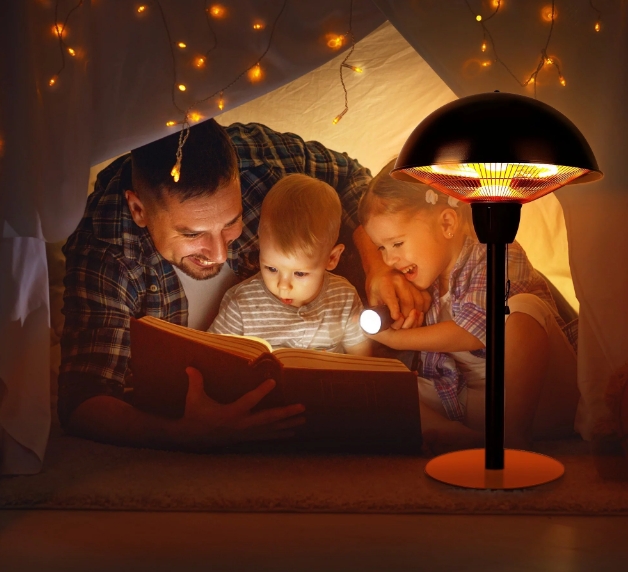
Keeping Eyes Safe with Ceiling Heaters
When we’re putting together infrared heaters for a bathroom or a nursery, there’s one big thing on our minds: making sure the heat doesn’t hurt anyone’s eyes. Standard short-wave lamps are basically high-intensity light bulbs. They can be blinding, and for a baby whose eyes are still developing, that kind of glare is a real problem. We can’t have that.
Taming the light
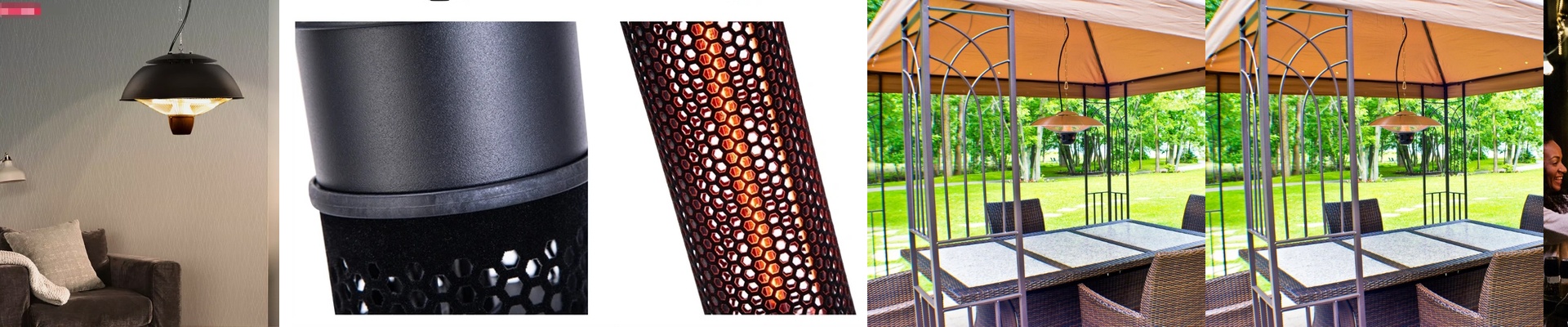
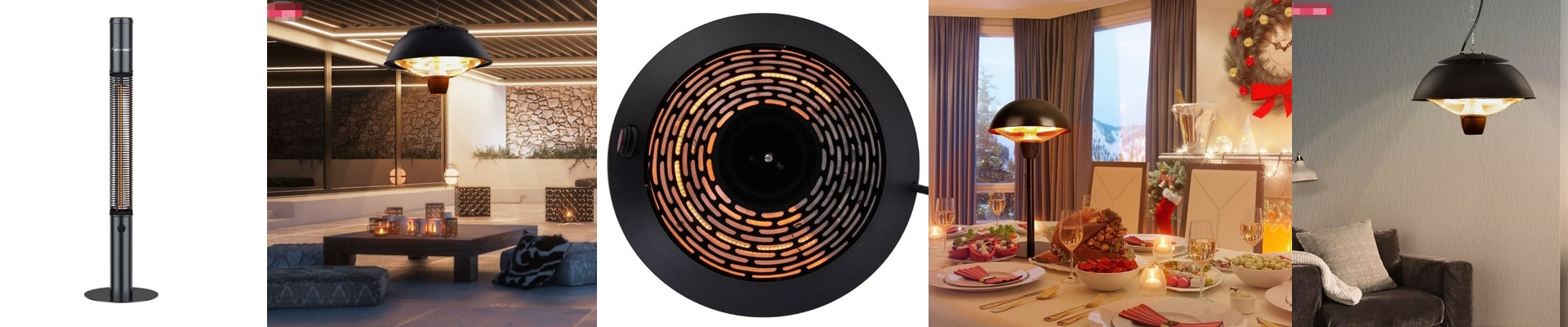
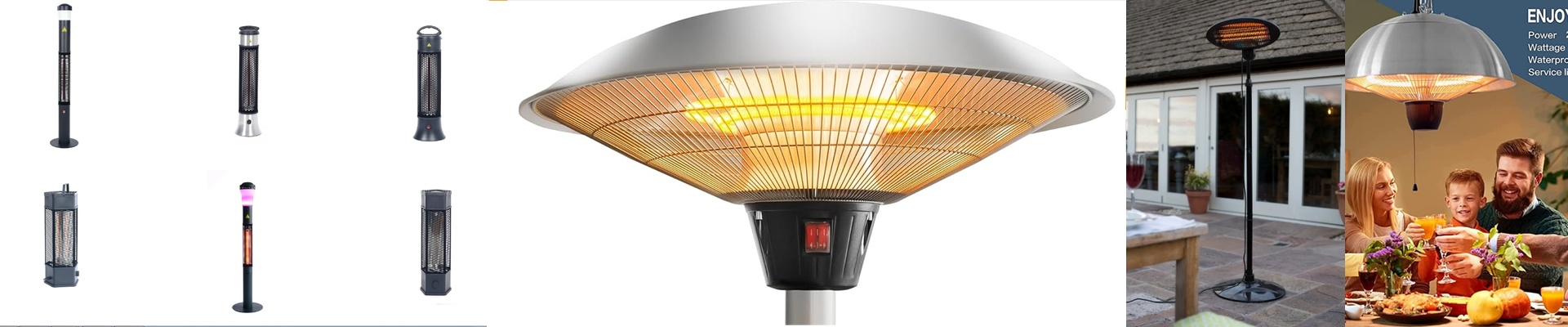
To stop the eye strain, we change how the light behaves. We use special quartz coatings or filtering gases to push the energy away from the visible light range and into the mid-to-long wave bands. The goal here is to make sure the heat hits your skin and the room’s surfaces, not your retina. We call it “soft light.” It’s not about making the room look pretty; it’s about cutting the blinding glare without losing the warmth.
Dialing back the intensity
We don’t build these like the massive heaters you’d find in an industrial drying tunnel. That would be overkill. Instead, we use lower wattage densities. Keeping the filament temperature lower means you don’t get that “staring into the sun” feeling. We also use reflectors that spread the beam out. Instead of a harsh, concentrated spotlight, you get a gentle wash of heat. No hot spots on your skin, and no blinding light in your eyes.
A few things to keep in mind
There is a small trade-off when you use these coated tubes: they take a bit longer to warm up. A clear lamp is instant. These eye-safe versions have a slight lag because the coating absorbs some of the energy before it hits the room. You’ll want to keep that in mind when you’re tweaking your thermostat settings. And a quick tip if you’re using a high-frequency dimmer—just double-check that your driver can handle the specific impedance of the coated filament. Otherwise, you might deal with some annoying flickering.