
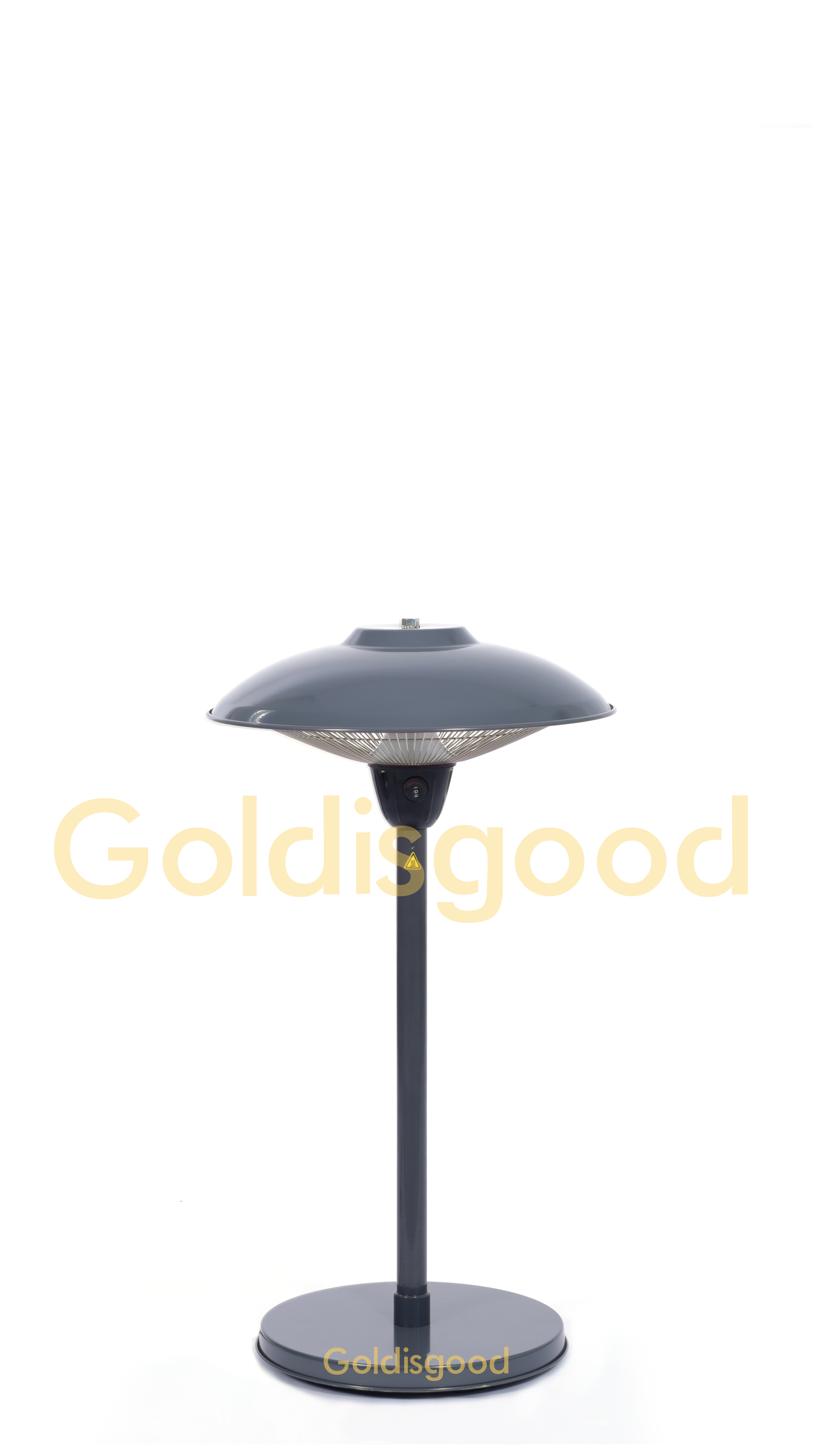
Stop Your Outdoor Heaters From Dying After One Winter
If you’re putting infrared heaters in a pergola, you’re basically picking a fight with moisture and heat. Here’s the problem: most generic heaters are built for a living room, not the outdoors. They usually fail at the exact spot where the lead wire meets the heating element. I’ve seen it a hundred times. The insulation gets brittle, cracks, and lets the damp air slide right in. Then, pop—the unit shorts out. Why does this happen? It comes down to the stress on that little junction between the quartz tube and the wire. In a pergola, your heaters are constantly swinging between scorching hot and freezing, damp night air. Materials expand and shrink. If the sealer is cheap, it can’t keep up. It pulls away from the wire, leaving a tiny gap. Once humidity gets in there, it starts eating away at the insulation. Before you know it, you’ve got a dead heater. The fix is in the materials A bit of silicone or some heat-shrink tubing isn’t going to cut it here. We do things differently. We use ceramic-based potting compounds and reinforced fluoropolymer sleeves. These things don’t soften or shrivel up when the element hits its peak. They create a tight, chemical bond that actually keeps the water out and the electricity where it belongs. One thing to watch out for There is a trade-off. Because this sealing is so heavy-duty, the wire assembly is a lot stiffer. If you try to bend these wires at a sharp angle during installation, you might actually crack the seal. Don’t force it. Give the wiring a nice, generous loop. This gives the chassis room to breathe and expand without putting pressure on the connection. It’s a small detail, but it’s the difference between a heater that lasts for years and one you’re throwing in the trash next spring.