
Introduction
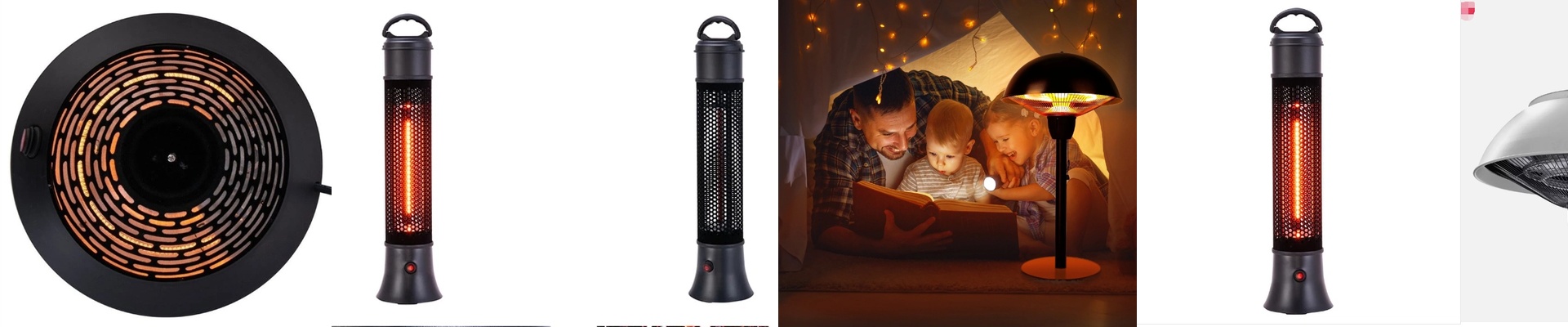
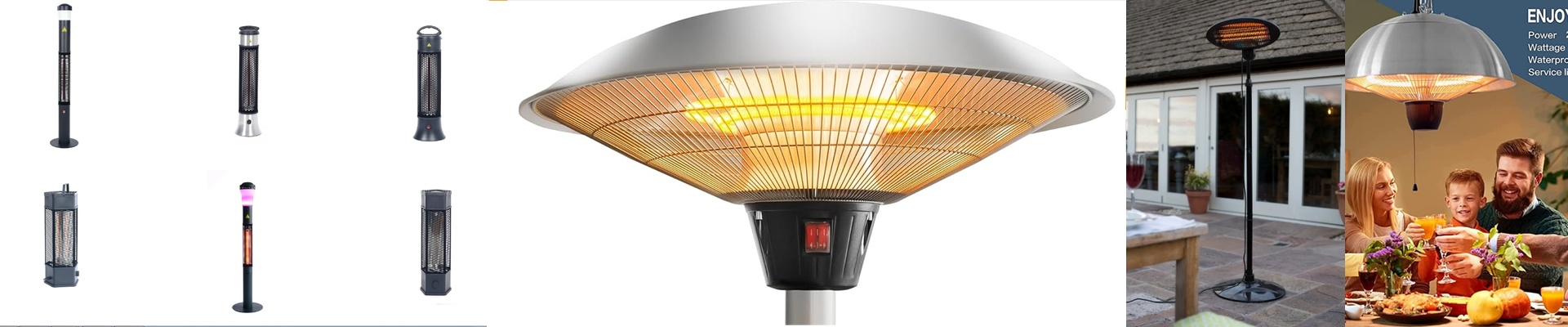
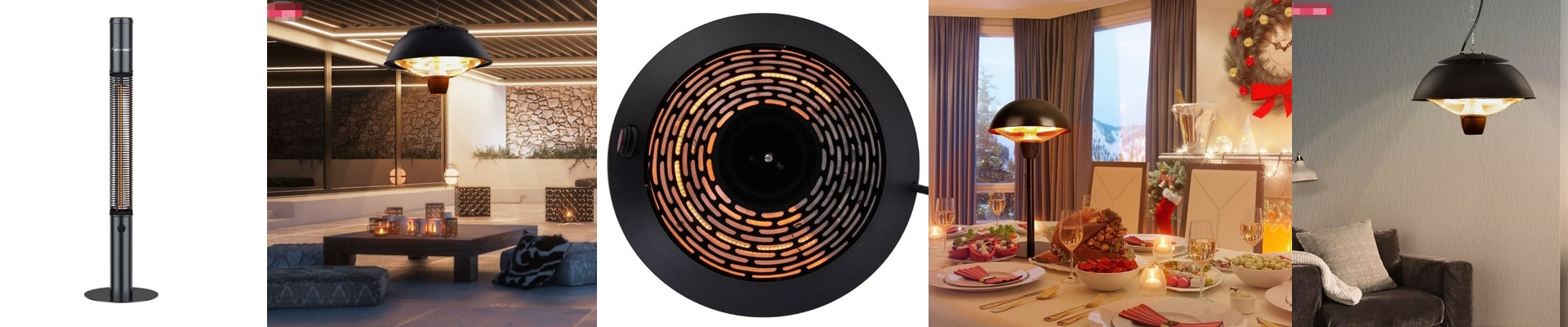
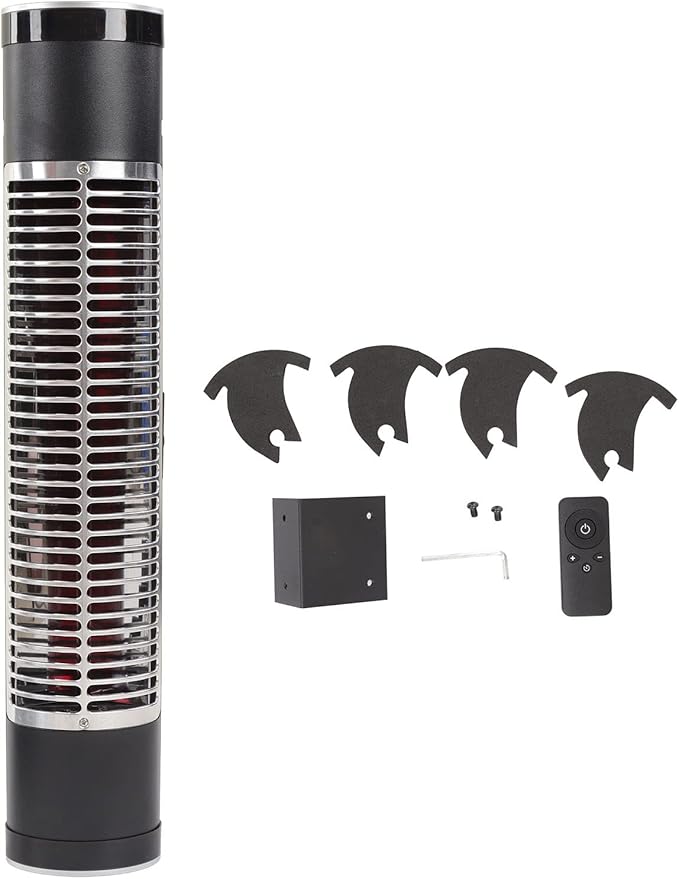
We built this 1500W ceiling infrared heater for the places that give other heaters a hard time—think gazebos and bathrooms. It was designed to step in where old-school lamp-style heaters fall short, giving you focused warmth without the bulk or the safety worries. The whole point was simple: get a top-notch waterproof rating, but still keep that quick response and serious heat you need when you’re upgrading a space.
Power and Heat: What It Really Means
That 1500W rating isn’t just a number on a sticker. It’s what gives you a big burst of heat in a tight space. This thing warms up a gazebo or bathroom fast—no more waiting around for the heat to slowly creep in like older systems. Because it’s ceiling-mounted, the warmth radiates straight down. You get full coverage without giving up any floor space. But here’s the catch: 1500W is a serious draw. It needs its own dedicated circuit. Before you install it, make sure your wiring can handle the load without getting overheated.
The Built-to-Last Details
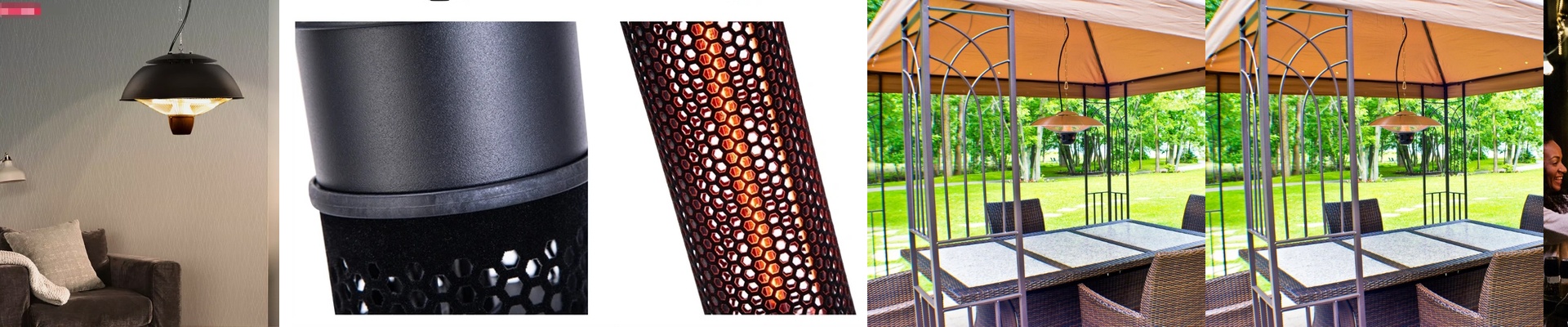
Inside, you won’t find a standard halogen bulb. It uses a high-grade quartz infrared tube. Quartz is tough—it handles sudden temperature changes better and keeps the heat steady over time. The filament is built for longevity, too. It’s designed to take the wear and tear of being switched on and off a lot without burning out. The waterproof housing is sealed tight, keeping moisture away from the electronics. That matters in a bathroom, where steam can wreck exposed parts in no time. And the R7s base connector? It’s the standard for this wattage, and it gives you a solid, reliable connection that won’t loosen up from vibration.
Real-World Performance and What to Keep in Mind
Out in the real world, this heater is a straight-up replacement. It fits neatly into existing ceiling spots, so you don’t have to rework everything during a reno. The infrared heat warms objects and people directly, not just the air. That means less wasted energy and a more even, comfortable warmth. For anyone doing the install, the sealed design means fewer call-backs caused by moisture damage. Just remember, the housing does get hot. You need to give it proper clearance from anything flammable. It’s a small step, but it matters.