
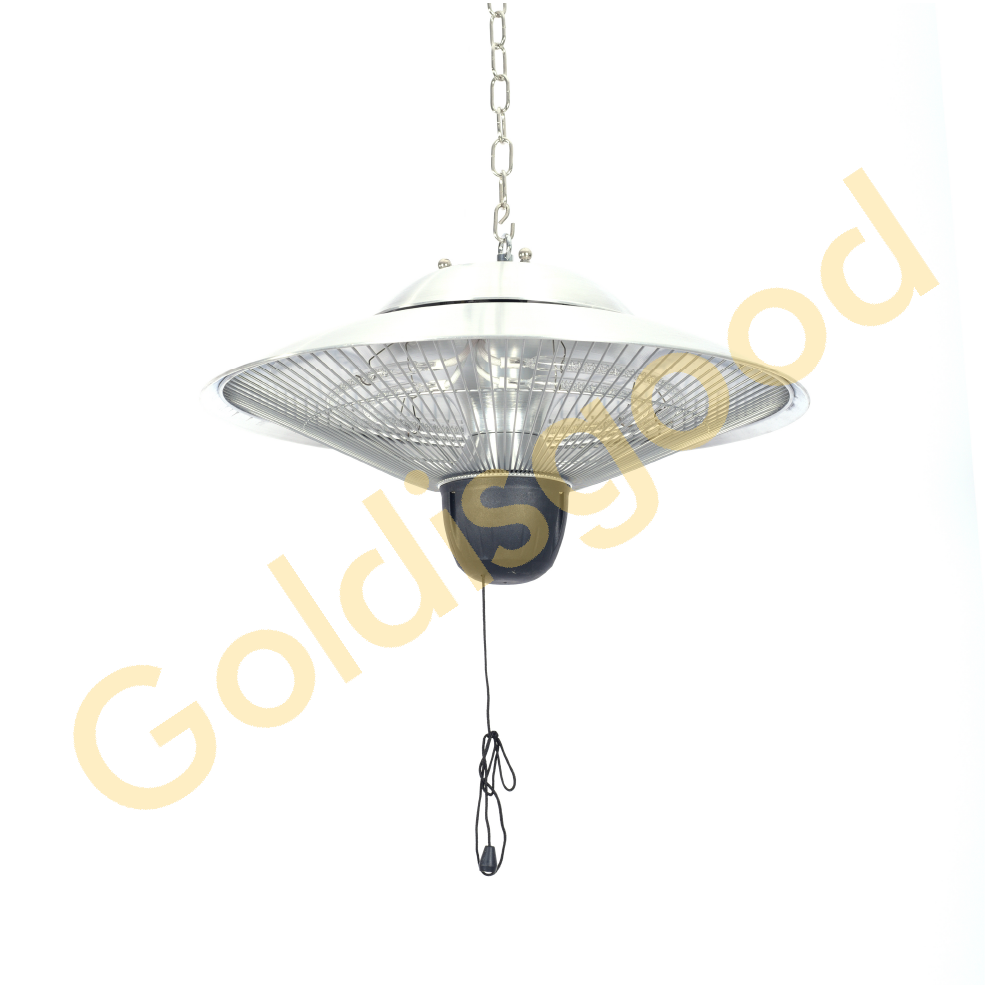
Why Your Bathroom Heater Needs Explosion-Proof Quartz Tubes
Let’s be honest: putting a high-heat infrared lamp in a shower area is a bit like playing with fire—or in this case, water and extreme heat. If you use a standard quartz tube, you’re asking for trouble. Imagine a tube heating up to 600°C. Now imagine a single, cold drop of water landing right on it.**Pop.**That’s thermal shock. The glass can’t handle the sudden temperature swing, and it shatters. Not exactly the vibe you want while you’re trying to relax in the bath. That’s why we use explosion-proof quartz tubes.
How it actually works
We don’t just leave the heating element naked. We wrap it in a special protective sleeve or a reinforced coating. Think of it as a buffer. Instead of the water hitting the raw, scorching glass, it hits this barrier first. It absorbs the shock and stops the tube from contracting too fast. It’s a simple fix, but it’s the difference between a cozy bathroom and a mess of broken glass on your floor. But the tube is only half the battle. You also need an IP55 rating. In plain English? It means the housing is built to keep dust out and can handle water jets hitting it from any angle. If your seals are cheap and they leak, your wiring will short out. The IP55 shell keeps the electricity dry, while the explosion-proof tube handles the heat.
The trade-offs (and a few warnings)
Here is the catch. Nothing is perfect. Because we’re adding that protective layer, a little bit of the infrared heat gets blocked. You lose a tiny bit of that instant, searing intensity you’d get from a bare tube. But honestly? It’s a fair trade. I’d rather have a heater that’s 5% less intense than one that explodes when I step into the shower. If you’re installing these, keep two things in mind: First, the brackets. These lamps put out a lot of energy and the metal expands as it heats up. Make sure your mounting hardware is rated for that constant movement, or things will start to rattle. Second, watch your ceiling. These things gethot. If you mount them right against plastic vents or cheap PVC piping, you’re going to warp your ceiling. Give the unit some breathing room. It needs to breathe so the housing doesn’t overheat.