
A cold draft rolls in every time the café door opens. Guests nurse hot drinks and still shiver. Chairs sit empty. And the staff are always on the move, resetting heaters that never seem to get it right. In transit halls, people shuffle just to stay warm, slowing everything down and stretching wait times. When the heat doesn’t show up, comfort disappears—and so do the customers.
What actually matters, technically
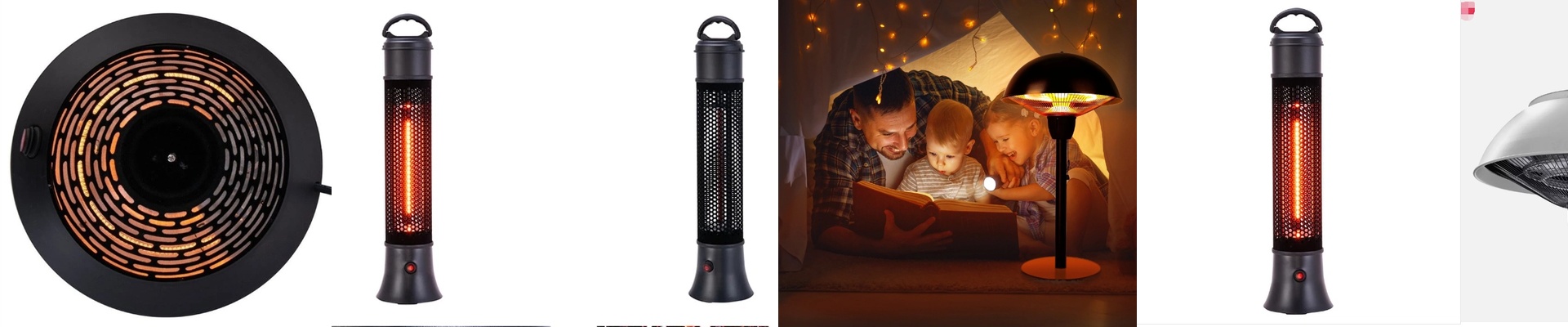
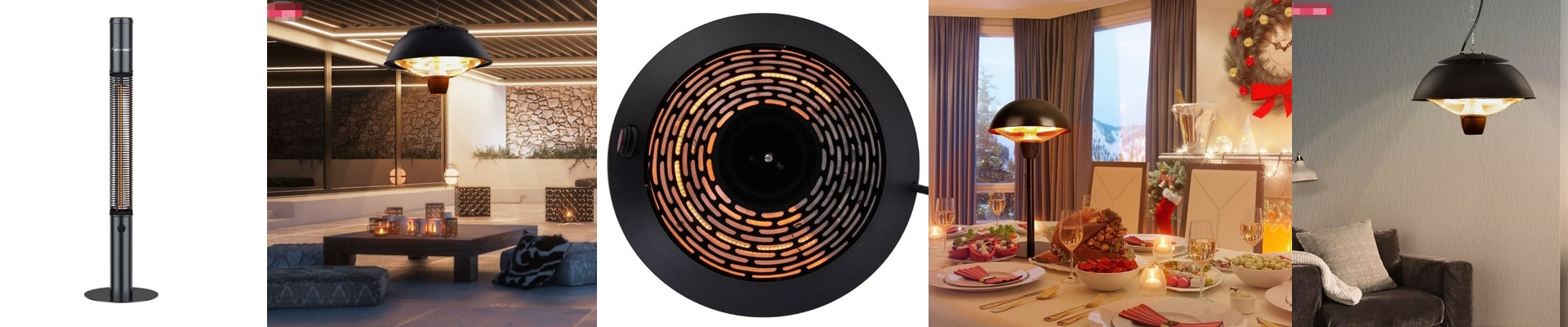
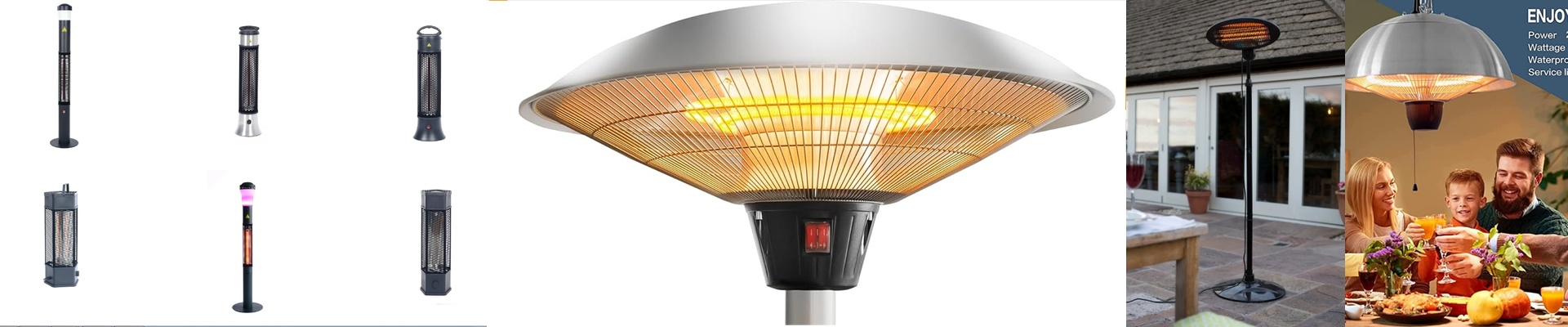
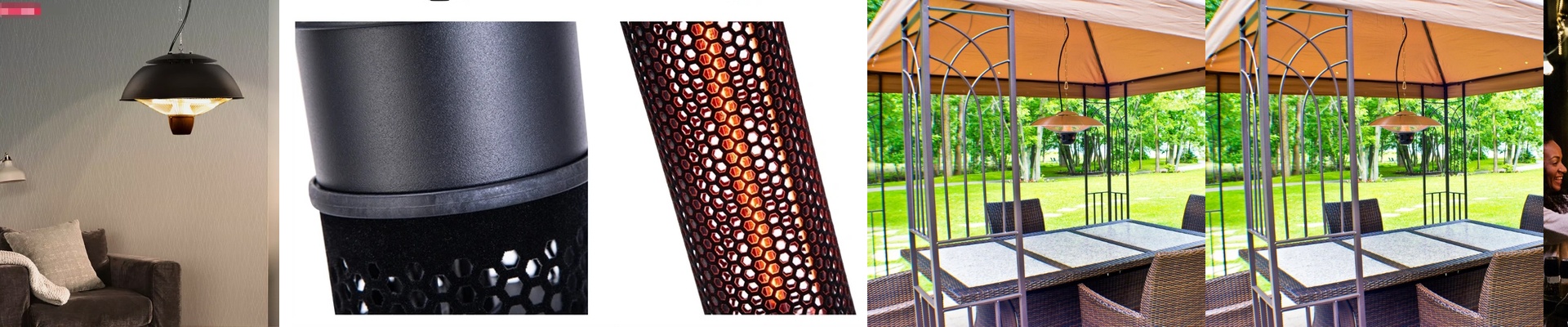
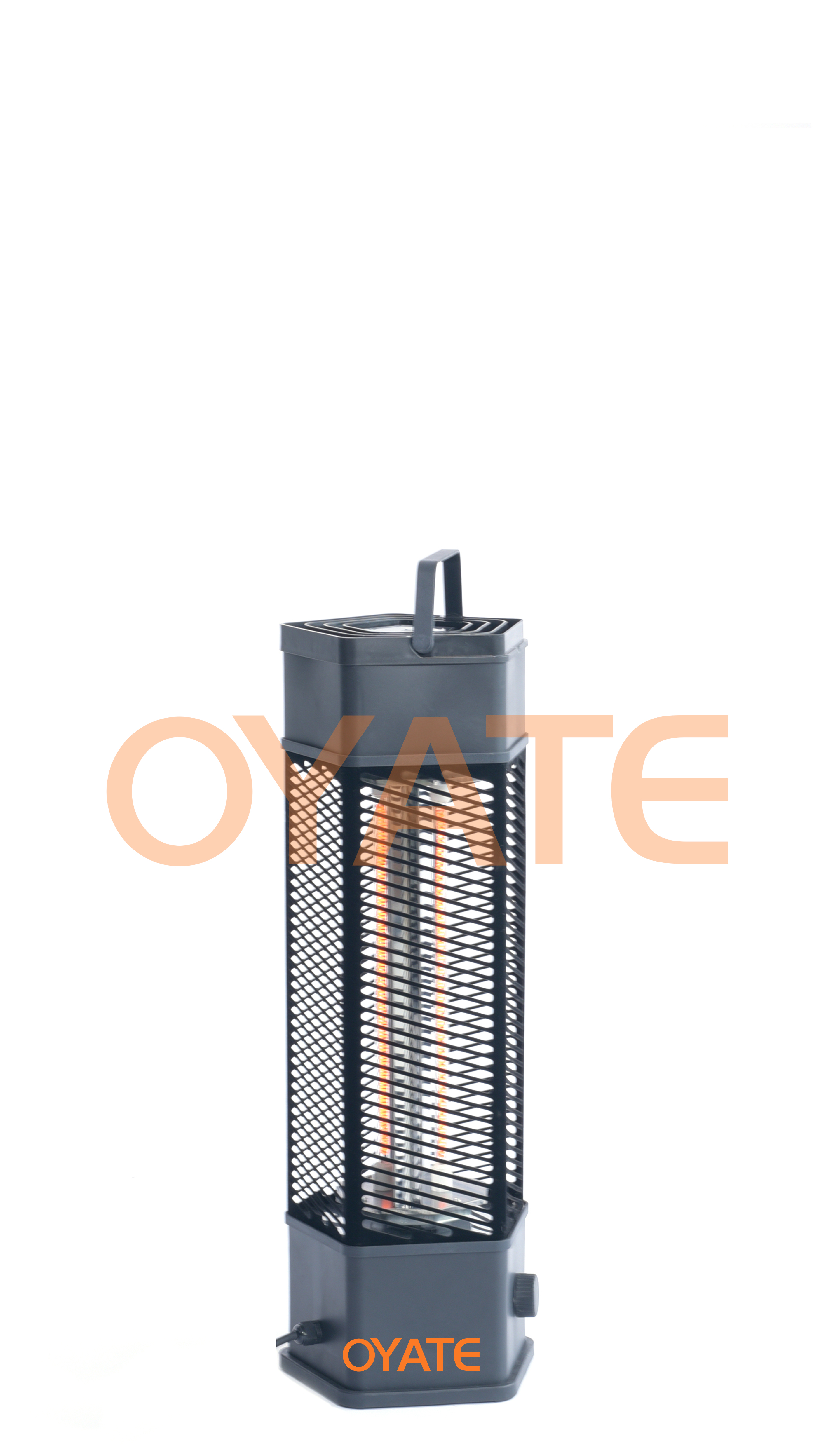
Long-range patio heaters work by radiant heat, not by trying to warm the air. Infrared energy shoots out in a direct beam, hitting people, tables, and surfaces first. That’s why you feel the warmth within seconds, even when there’s a breeze. We build the core around a carbon fiber element inside a quartz tube. It heats fast, takes shock and vibration without complaining, and holds steady output for thousands of hours. A typical long-range electric heater runs on 120V or 240V, pulls 1500–3000W, and covers a 12–20 foot radius depending on mounting height and line-of-sight. For outdoor duty, look for an IP rating that keeps dust and spray out, plus a solid grill and tip-over protection. A built-in thermostat keeps things from swinging between scorching and freezing.
Why this works in commercial and transit spaces
In these settings, speed and consistency are what pay the bills. Infrared warmth makes chilly terraces usable, so cafés can keep covers on and customers stick around longer. On station platforms and in sheltered queues, the beam delivers comfort immediately—no waiting for air handlers to cycle. Because the heat is directional, energy lands where you need it: on people and surfaces, not up in the rafters. That focus keeps operating costs predictable and makes zoning easier for different times of day. The upshot is fewer complaints, smoother movement, and a space that feels welcoming.
The details that make it work
Infrared needs clear line-of-sight. Walls and dense furniture cut coverage, so plan mounting height and angle to keep the beam on the target area. For big, open spaces, you’ll often need multiple units spaced to prevent cold spots. Heaters belong on stable surfaces or ceilings rated for the load, and on a circuit that can handle the wattage. In damp spots, confirm the IP rating matches the exposure. You’ll feel radiant intensity close to the unit—positioning is how you keep guests warm without glare or overheating.