

Stop Guessing with Your Heat: Bringing Data into the Fab
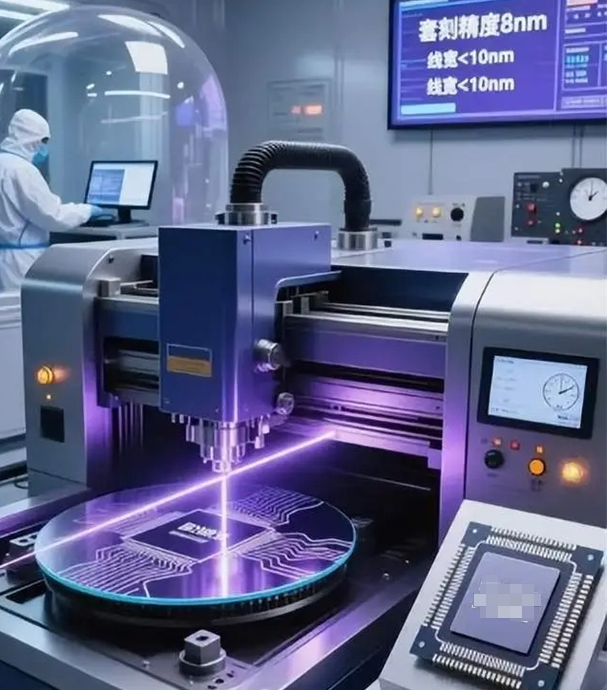
If you’re planning out a new Fab plant, you’ve probably spent a lot of time thinking about heat. But here’s the thing: heat alone isn’t enough. You need to know what that heat is actually doing. Most traditional heating elements are basically blind. They just pump energy into a process and hope for the best, without any real way to tell you if the target is actually hitting the right temperature. We fix that by packing our infrared (IR) systems with smart sensors. It turns a simple heating zone into a source of actual, usable data.
Why IR makes sense for digital lines
IR is just fast. Really fast. Unlike convection, it doesn’t need to wait for air to move around. It hits the substrate directly. In a smart Fab, that speed is your best friend because you can tweak the heat in real-time based on what the sensors are telling you. When you add smart packaging to the mix, the IR system stops being just another piece of hardware. It becomes a part of your digital network.
Getting the hardware to actually talk
Moving to a digital line is a headache if your hardware can’t talk to your PLC. That’s why we build the sensors right into the IR packaging. You get to watch the output and surface temperatures as they happen. It means you can spot “thermal drift” before it becomes a problem. Even better? You’ll know when a lamp is about to burn out before it crashes your yield and ruins your day. It saves space. It gives you control. It just works better.
The balancing act: Power vs. Control
Now, there is a catch. High-density IR arrays move a massive amount of heat. That’s great for getting things done quickly, but it puts a lot of stress on your electrical setup. If you decide to crank up the wattage to speed up a cycle, you can’t just ignore the rest of the room. Your cooling systems have to be ready for that rise in ambient temperature. If you push the power without balancing the airflow, you’re looking at warped fixtures. Not a fun way to spend a Tuesday. The best way to handle this? Wire everything into your central monitoring hub. Stop walking around doing manual temp checks. Let the data do the heavy lifting so you can stop wasting energy and start trusting your process.