
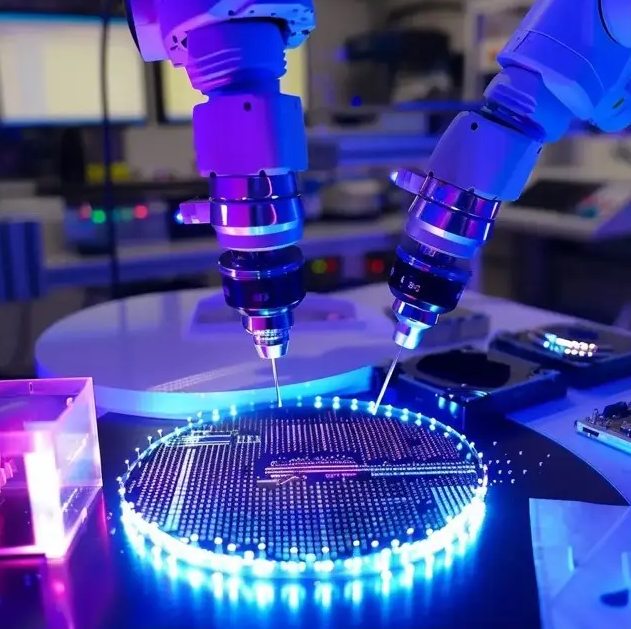
Why we’re ditching forced-air ovens in the clean room
A lot of semiconductor lines are still stuck using forced-air convection ovens. You know the ones—they heat up the air, and then the air eventually heats up your substrate. It’s a slow, indirect process that usually becomes the biggest bottleneck in the whole line. That’s why so many of us are moving toward infrared (IR) heating. It basically cuts out the middleman. Instead of waiting on the air, IR sends energy straight into the material. Stop wasting time on the warm-up Think about the time you lose just waiting for a convection oven to “soak.” You’re sitting there for minutes, sometimes hours, just waiting for the chamber to hit the right temperature. It’s frustrating. IR lamps are different. They’re basically instant. We’re talking about going from zero to peak temp in seconds. If you’re running a high-volume fab, swapping a 30-minute ramp-up for a 10-second burst per batch saves a ridiculous amount of dead time. It just makes the whole day move faster. Keeping things clean (and cool) Then there’s the clean room headache. Fans are great for moving air, but they’re also great at kicking up particulates. Even with HEPA filters, moving that much air is just asking for contamination. IR heaters just sit there. No fans, no turbulence, no debris flying around. Plus, you get way more heat where you actually need it without having to bake the entire oven shell. Your facility’s HVAC system will thank you because you aren’t fighting a giant box of radiating heat. The catch Now, IR isn’t a magic wand for every single process. It only works if the lamp can “see” the part. If you’ve got parts stacked on top of each other or weird, complex shapes, you’ll end up with cold spots. To fix that, you can’t just plug and play. You’ll need to get creative with multi-lamp arrays or use reflectors to bounce the heat into those tight gaps. And because the energy is so concentrated, you have to keep a close eye on things. Use a pyrometer to track the surface temp, otherwise, you risk scorching your material before you even realize it’s too hot.