

Getting Your Vacuum Heating Right in a Smart Fab
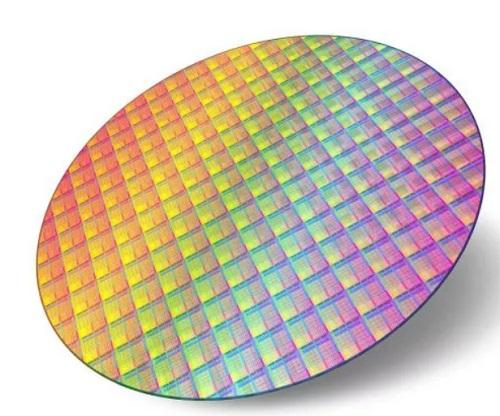
If you’re building out a Smart Fab for Industry 4.0, you’ve probably realized that the old way of heating things just doesn’t cut it anymore. You need something that actually talks to your data. Here’s the reality of working in a vacuum: you’ve got no air. No convection. Nothing. You’re relying entirely on radiation to get the job done. That’s why we lean so heavily on infrared (IR) systems. They let you put the energy exactly where it needs to go without turning your entire chamber wall into a giant radiator. It’s all about the data A smart factory isn’t just a fancy word for “automated.” It’s about having a handle on your data. We build our IR systems to plug right into your PLC and SCADA networks. Because these IR lamps react so fast, you can tweak the power on the fly based on what your sensors are telling you. You don’t have to deal with that annoying thermal lag you get with resistive heaters. You get a tight temperature window. And when your temperature is locked in, you stop throwing expensive scrap in the bin during your curing or deposition cycles. The tricky part: Vacuum design It’s not all plug-and-play. Vacuum-rated heaters have to survive massive pressure differences and strict outgassing rules. We use high-purity quartz and special coatings because the last thing you want is your lamps contaminating a wafer. But here is where people usually trip up:the balance between power and cooling. If you go overboard with a high-wattage array just to hit your ramp-up speeds faster, your vacuum pumps and water jackets have to be beefy enough to soak up that heat. If your cooling can’t keep up? Your chamber seals will bake, fail, and start leaking. It’s a headache you really don’t want. Why go with IR? First off, they’re small. You can swap out those bulky old heating elements for IR and suddenly you’ve got a lot more room to breathe in your lab. Plus, they’re instant. Since they don’t need a medium to move heat, they just work. In a world where your cycle times are measured in seconds, that speed is everything. You hook it up to a PID controller, set your ramp rate, and the system hits the mark. No more worrying about that “overshoot” that used to plague the older gear. It just hits the spot and stays there.