
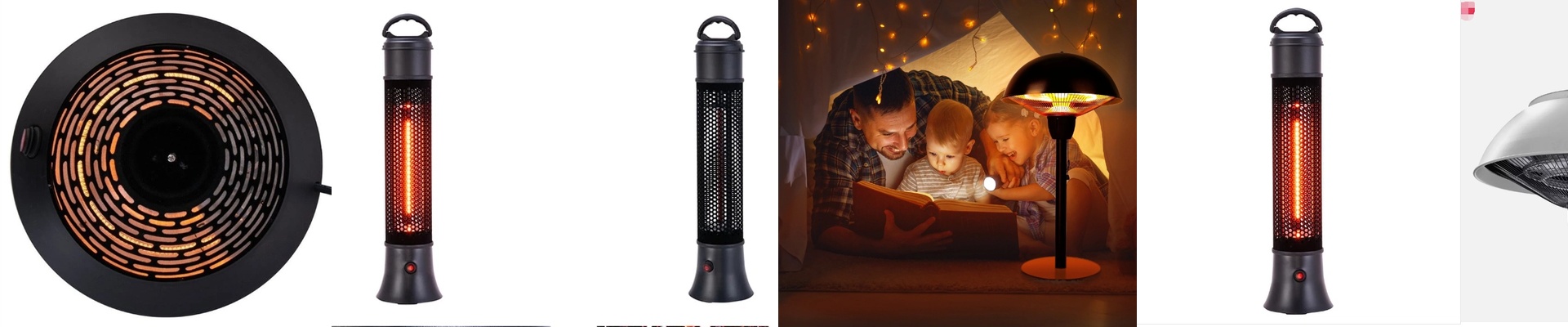
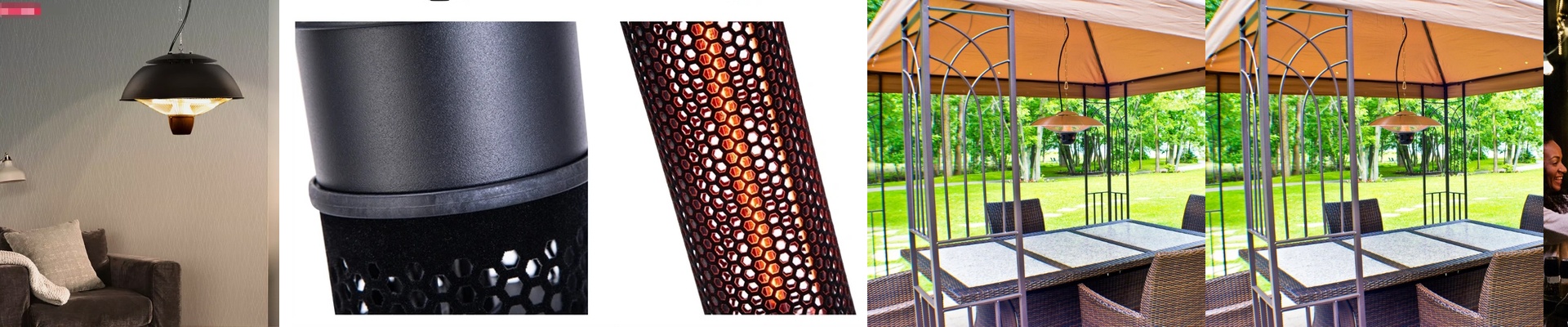
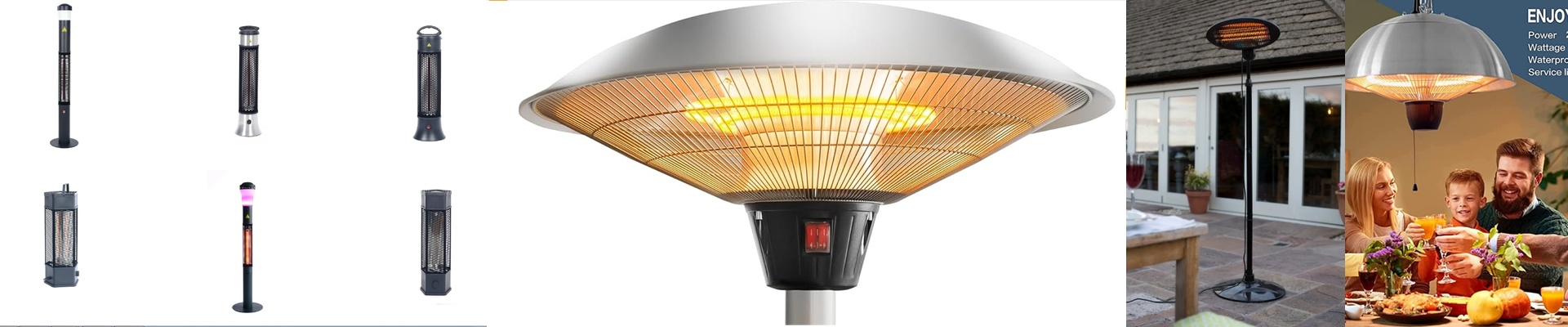
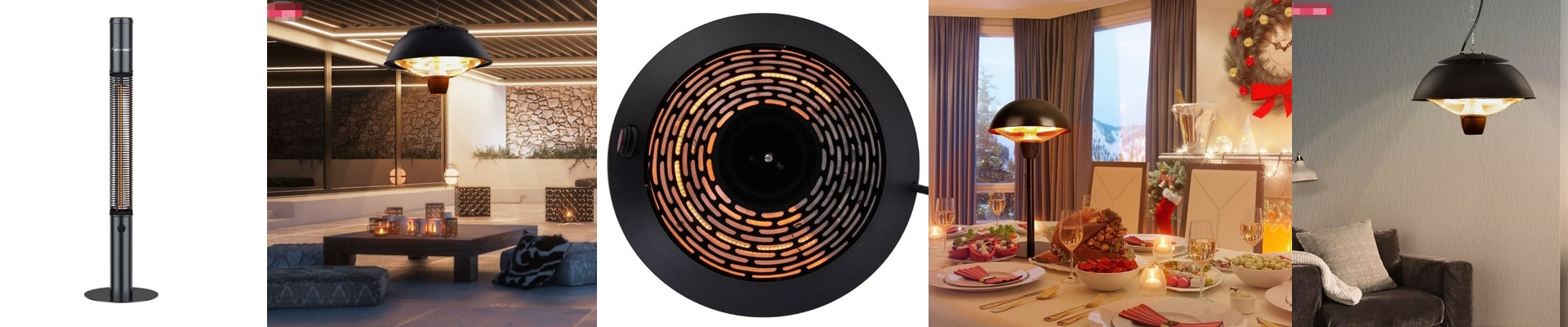
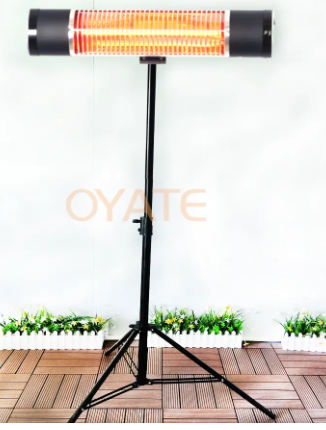
You set up an infrared heater, then wonder why one corner stays cool while the spot a few steps away feels like a blast furnace. More often than not, the heater isn’t the problem—height and angle are. On a patio, under a covered porch, or inside, placement is what makes radiant heat feel even, quiet, and genuinely comfortable.
What’s really going on under the hood
Infrared electric heaters warm people and surfaces directly, not the air. You feel the heat within seconds, and there’s no blower noise to break the calm. A low-noise electric heater keeps things restful, especially indoors where quiet matters. Mounting height shapes the coverage pattern. Mount it too low, and the beam concentrates on the floor while shoulders and faces stay cool. Too high, and intensity drops off before it reaches the seating area. For most home installs, aim for 7 to 9 feet above the floor. Then angle the heater so the center of the beam lands on the primary seating area, not the wall behind it.
Why this setup just feels right
When height and angle are dialed in, you get steady, draft-free warmth that feels natural. You also avoid the urge to overheat the space, which helps keep energy use in check. Because infrared warmth is directional, you can target the exact spots you use—whether that’s a reading chair, a dining set, or a lounge grouping on the patio. Comfort and wellness follow. Consistent radiant heat helps muscles relax after time outside, and without air movement, it’s easier on anyone sensitive to drafts.
The practical details that matter
Infrared heaters need a clear line of sight to the people and objects you want to warm. Don’t mount them where furniture, curtains, or overhead beams block the beam. And always respect the unit’s listed clearances—electric heaters need breathing room around them for safe heat dissipation. Outdoors, pick a model rated for damp conditions, like IP55, and keep the power connection protected. Indoors, a built-in thermostat helps prevent temperature swings, and tip-over protection is a solid safety net.**Plan the beam for where people sit, not just the room’s square footage.**Infrared warmth is immediate, but it doesn’t “fill” a room the way forced-air systems do.