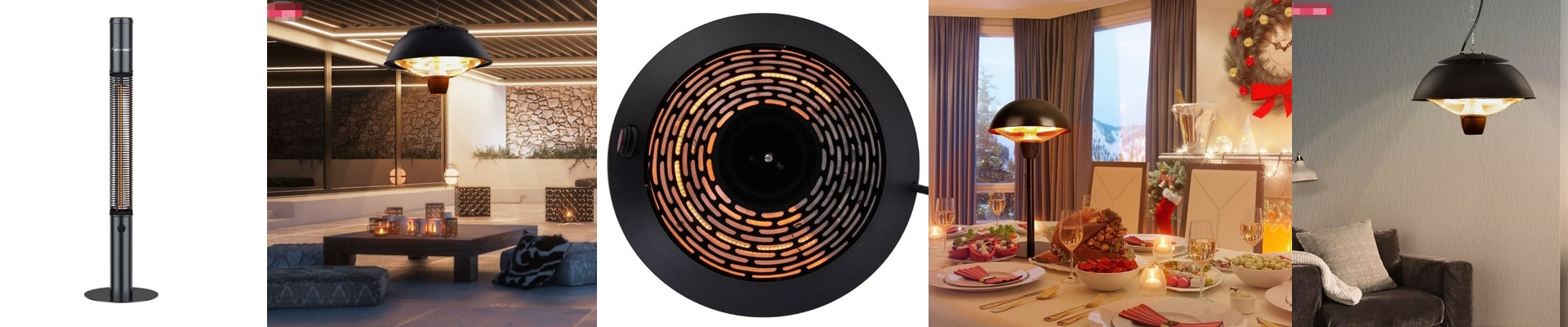
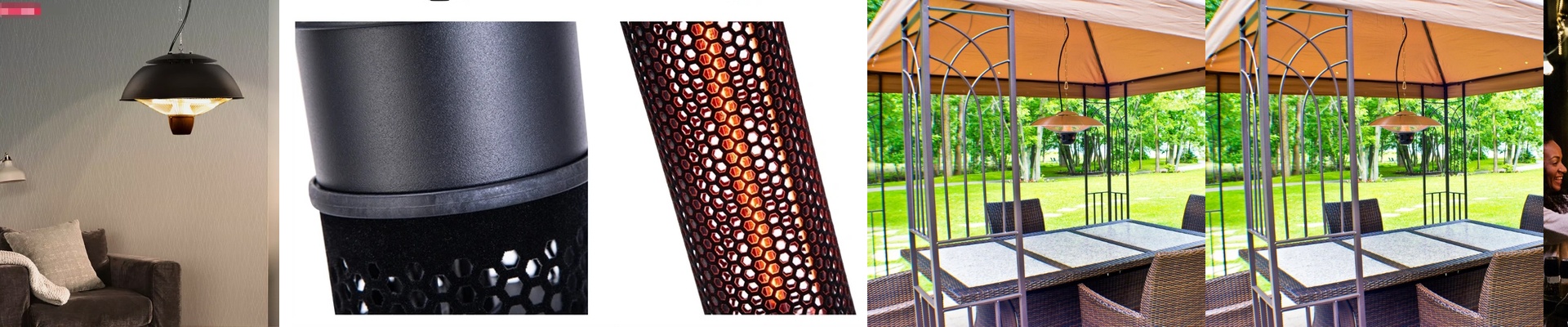
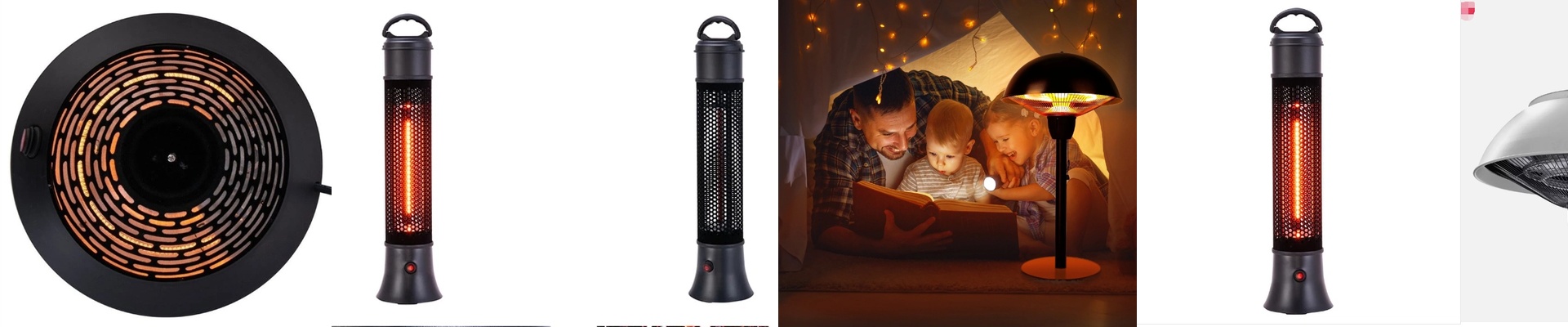

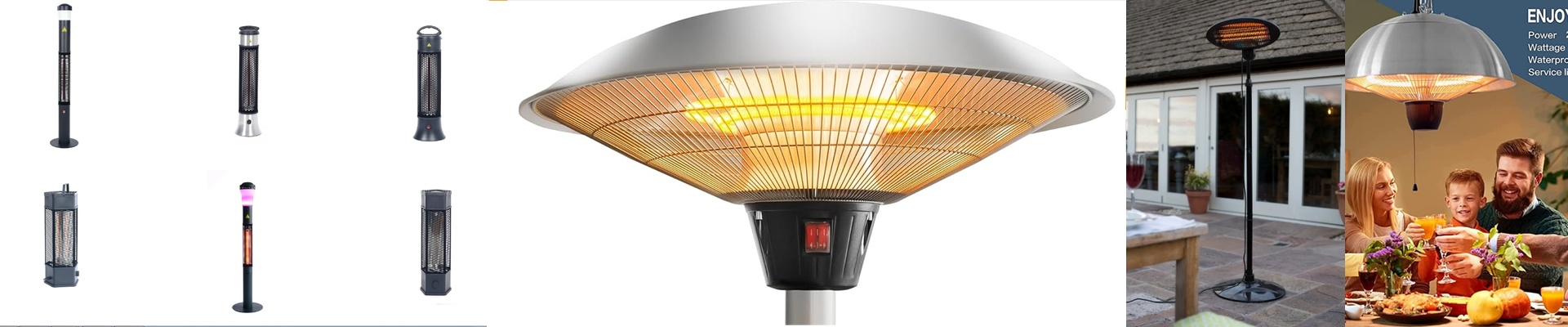
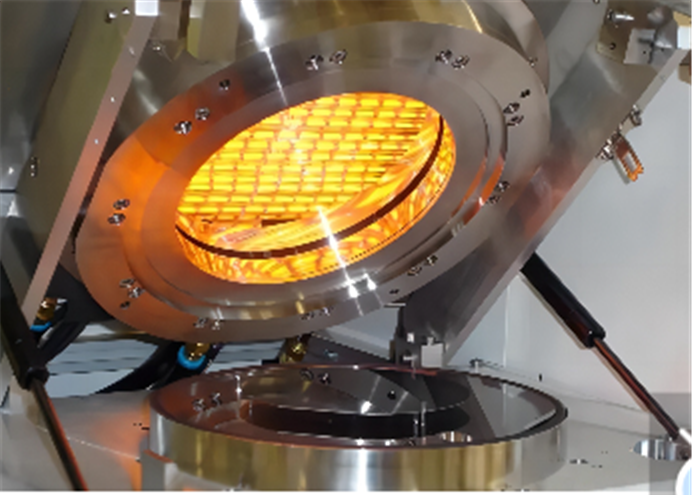
On the fab floor, you know the drill: a 0.5°C drift in bake temperature shifts the photoresist profile, and one particle takes out a die. Medium wave quartz heater tubes live in that world. Thermal control isn’t a setting here—it’s the process. What matters under the hood Medium wave quartz radiates in the 2.5–4 μm band, coupling cleanly into photoresist and thin water films without overdriving the substrate. That gives you fast, controlled heating with low thermal inertia. Across the active length, we’re holding ±0.1°C uniformity at the wafer plane, and repeatability stays inside that band batch after batch. Cleanroom-compatible build keeps particle generation near zero—solid for Class 1–100 environments. Output stays stable past 5,000+ hours, with minimal end-of-life lumen drop. Why this works where we work In wafer drying, medium wave energy knocks off surface moisture quickly and evenly, so you don’t get beading that bleeds into lithography. For photoresist pre-bake—soft bake—the tube keeps temperature tight across the whole wafer, so solvent removal is consistent. That matters for linewidth control and sidewall profile. The same stability carries into hard bake and curing. Fewer reworks. Better yield. You also cut energy use because response is immediate and dwell is short, and unplanned downtime drops when the heater behaves predictably on 24/7 duty. Things to keep straight Mounting clearance matters. Keep the quartz envelope slightly off reflectors and shields to avoid hot spots and stress cracks. Interface the heater to your PLC with the right thermocouple type, and make sure the power bus can handle the inrush at startup. Plan for thermal soakback after a recipe stop. The tube cools fast, but the wafer stage can hold heat and throw off the next bake if the sequence isn’t gated properly.