
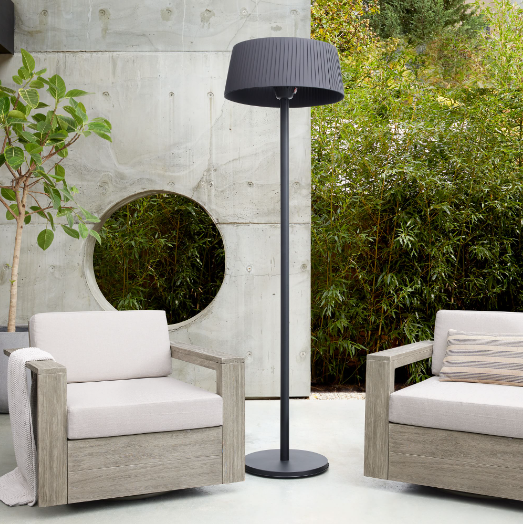
After spending time in 2,000 European homes, one thing is clear: people want heat that shows up fast, stays quiet, and doesn’t make the electricity bill jump. They also want it to match how they actually live—balconies, kitchens, drafty corners, and multi-use spaces where a standard convection heater feels sluggish and wasteful.
What actually matters under the hood
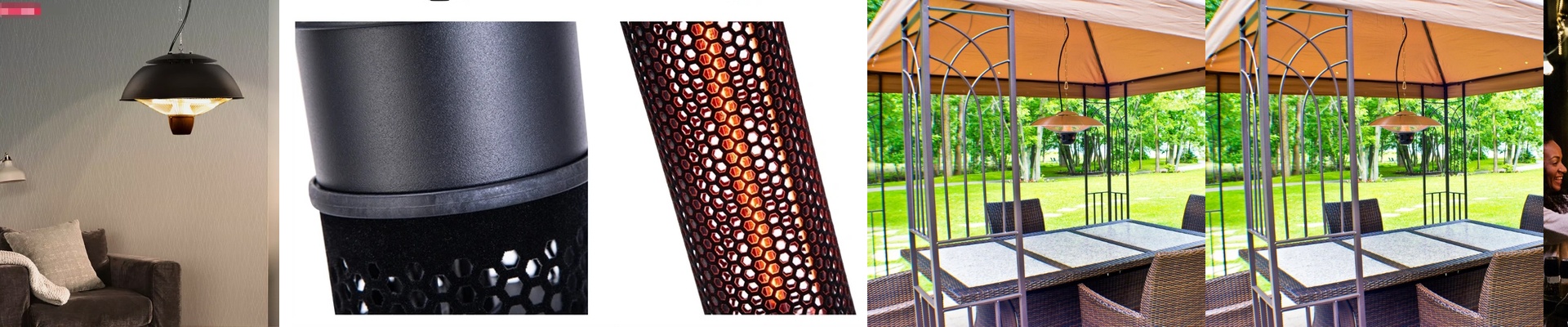
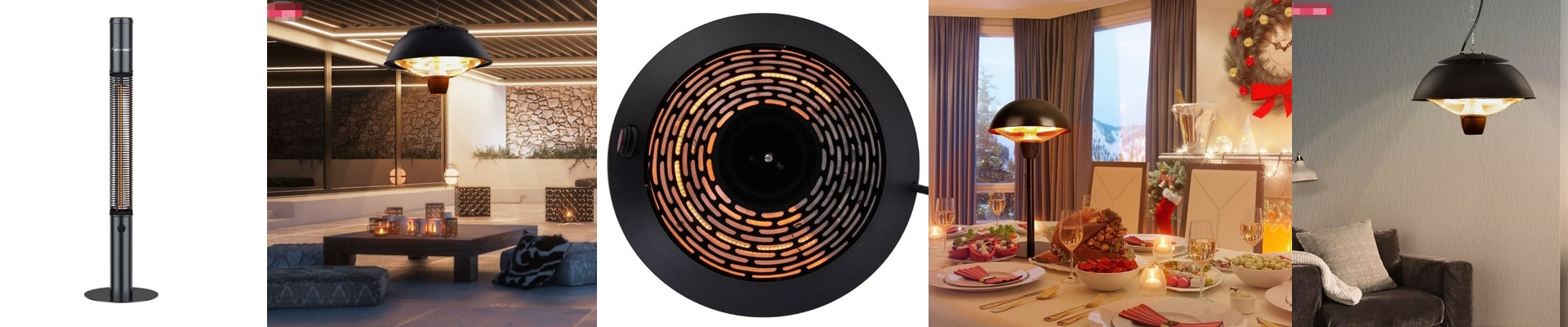
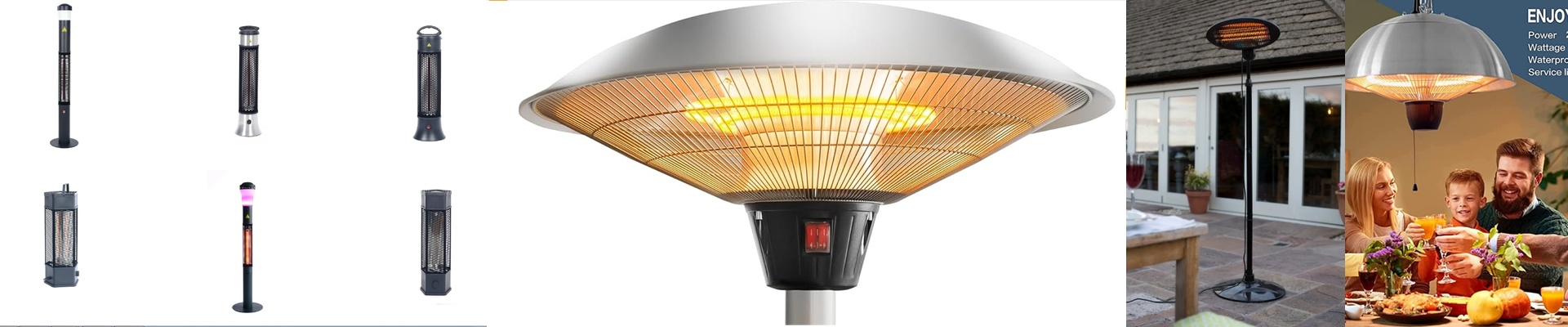
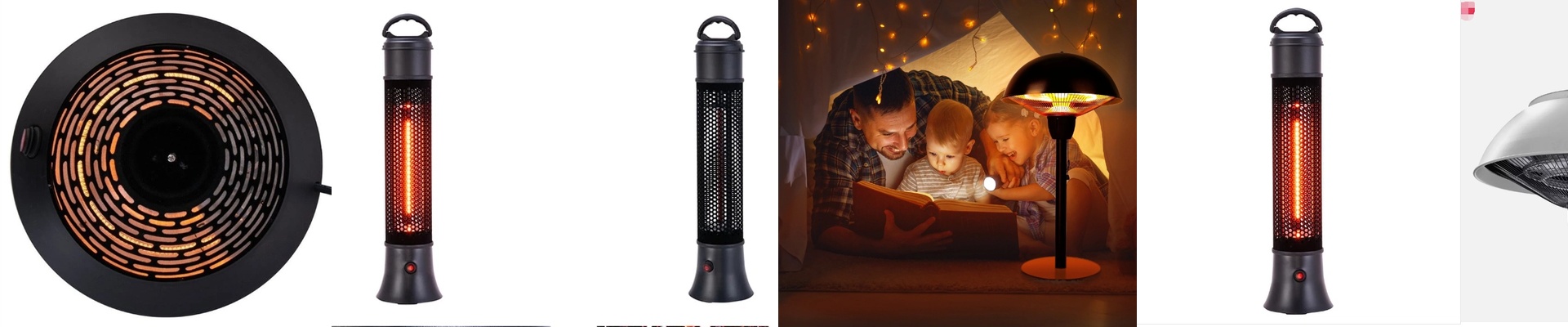
We built our energy-saving electric heater around infrared radiant heat, using a high-efficiency carbon fiber element. Instead of warming the air, it warms people and surfaces directly—think of it like sunlight, but more comfortable. You feel the comfort within seconds, not after waiting around. A built-in thermostat keeps output steady, so the unit isn’t running flat out when the room is already warm. For safety, it has tip-over protection and an overheat cut-off. In practice, that means focused warmth where you need it, with less energy burned heating empty air.
Why this approach fits real homes
This design came out of actual living situations, not a boardroom. In compact or mixed-use spaces, traditional heating can leave cold spots, dry out the air, and run longer than it needs to. Infrared warmth changes the feel: it’s immediate for quick evenings on the patio, consistent during dinner, and gentle enough for a child’s play corner. Because the heat is directional, you can keep the overall room temperature lower and still feel cozy, which helps cut energy use. It makes the outdoors usable longer, without the noise and bulk of bigger patio heaters.
The things you’ll want to keep in mind
Radiant heat works best when it’s aimed at the people and objects you want to warm, so placement matters—line-of-sight and proximity do make a difference. And while infrared doesn’t dry the air the way forced-air systems do, it also won’t warm a room by circulating air, so very drafty areas may need supplemental heating. For the best results, match the wattage to the space and make sure the heater sits on a stable, level surface.