
Why Your IR Curing Setup Needs a Great Reflector
Going “green” in semiconductor fab usually means tossing out those clunky old convection ovens. These days, we’re leaning on infrared (IR) curing because it hits the wafer surface directly. But here’s the thing: a lamp by itself is kind of a waste. Without a solid reflector, you’re basically throwing half your energy into the machine’s frame. Not exactly efficient.
Getting the Heat Where It Actually Matters
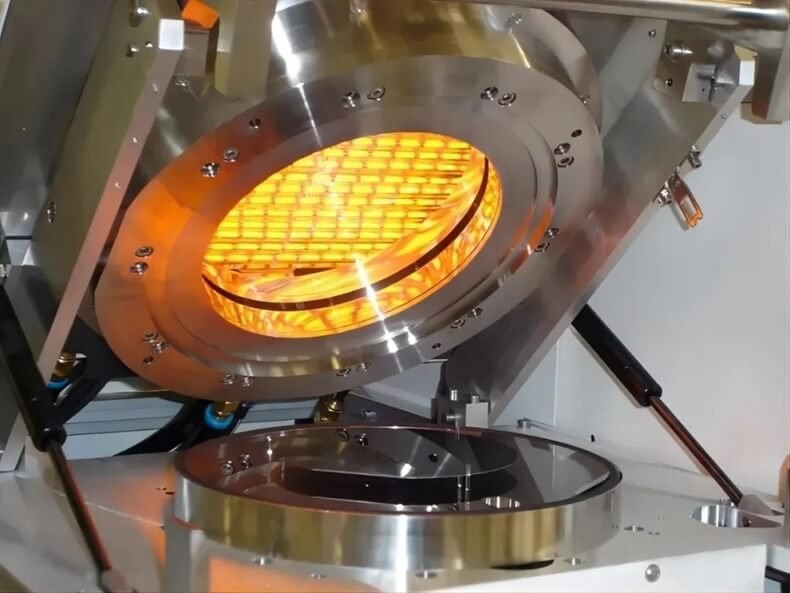
Think about how an IR lamp works. It throws heat in every direction—a full 360 degrees. But we only care about the heat hitting the substrate. That’s where gold-coated or high-purity aluminum reflectors come in. They catch all that wasted energy from the backside and bounce it right back onto the wafer. It’s a simple trick, but it lets you crank up the heat flux without actually needing more wattage. You get faster ramp-ups and a much lower power bill.
The Danger of “Close Enough”
When we design these, we have to match the reflector’s curve to the lamp’s focal length perfectly. If you’re off by even a few millimeters? You get hot spots. And hot spots are a nightmare. They lead to uneven curing or, if you’re unlucky, warped wafers that you’ll have to scrap. That’s why we use materials that can handle constant heating and cooling without oxidizing or losing that mirror shine.
The Trade-off
Better reflectivity saves energy, but it also concentrates heat. If you’re running high-wattage shortwave lamps, the reflector itself can get scorching. You’ll need to be smart about your cooling fans or water-jacketed housings, otherwise, you’re just going to burn out the ends of your lamps. But when you get this right, the difference is night and day. You go from waiting hours for a warm-up to waiting seconds. Your curing station takes up less space, and you stop wasting kilowatts heating up air that isn’t even touching your product. It’s just a smarter way to work.