


Getting Your Thermal Loads Right with Gold-Coated Twin-Tube Lamps
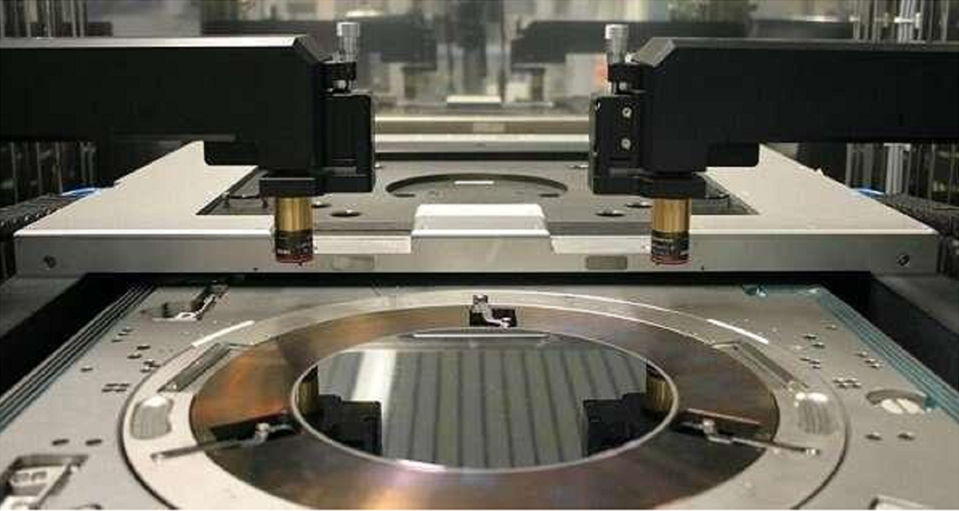
In semiconductor fab, if your thermal profile is off by even a hair, you’re looking at ruined wafers. It’s a high-stakes game. We’ve found that using twin-tube, gold-coated IR lamps is the best way to hit those tight targets without wasting a ton of power.
Why the gold and the twin-tube setup?
Here’s the thing: standard quartz tubes are leaky. They bleed energy all over the chassis, which is just a waste. By putting a gold coating on the inside of the quartz, we basically turn the lamp into a mirror. Instead of heat drifting everywhere, it gets bounced straight back toward the wafer. You get a focused beam of heat where you actually need it, and your cleanroom doesn’t turn into a sauna. Then there’s the twin-tube design. It’s a clever bit of engineering that doubles your radiating surface without taking up more room. You can push more wattage through the system without having to rebuild your entire heating bank to fit bigger hardware.
The trade-off (because there’s always one)
Now, you can’t just crank the power and walk away. When you drive these lamps hard, things get hot. Really hot. That gold coating makes the system efficient, but it also pushes the tube’s surface temperature way up. If your cooling fans or heat sinks aren’t up to the task, you’re going to fry your filaments. It’s a balancing act. You have to weigh how much wattage you need per inch against how well your system can actually breathe and shed that extra heat.
Cleaning up the carbon footprint
Most fabs are trying to go green, but “green” usually just means “spend more money.” Not this time. Old-school ovens are inefficient because they try to heat every single cubic inch of air in the chamber. It’s overkill. Our IR systems just hit the substrate directly. Since gold-coated twin-tube lamps ramp up so much faster, your cycle times drop. Less time waiting for the heat to climb means fewer kilowatt-hours per wafer. Plus, when you hook these up to a zoned control system, you stop those massive energy spikes that happen with old resistive heaters. It’s a simpler way to run a cleaner line.