

Energy-Efficient Wafer Heaters That Actually Earn Their Keep (And Keep You Safe)
We built these wafer heaters for one simple reason: so your expensive equipment keeps humming without you sweating electrical failures. And when we say we test them, we mean it. Every single lamp gets hit with full dielectric strength and insulation resistance checks before it ever leaves the line. No sampling. No hoping the batch is good. You get a unit that’s been thoroughly tested, every time, with full traceability back to the workbench.
Power, Voltage, and Fit: Making the Physics Work for You
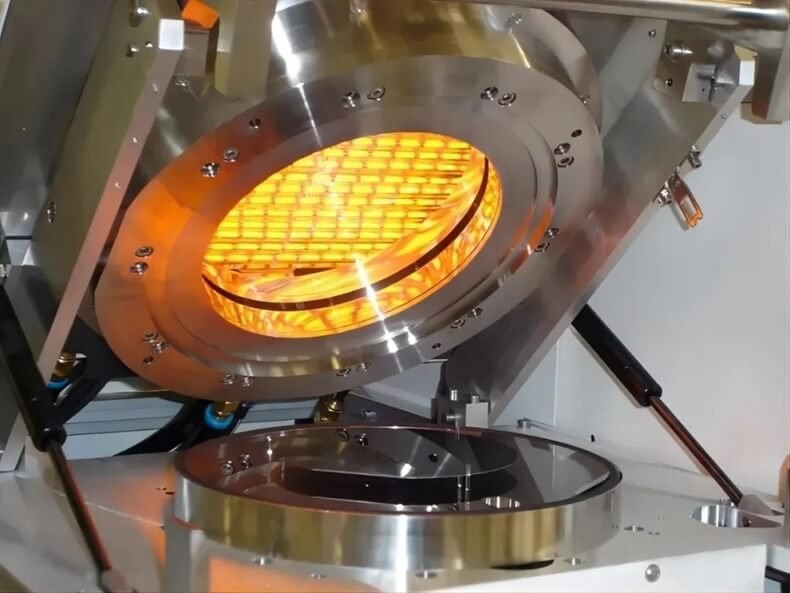
Wafer heating needs speed and control—fast response, steady temperatures. So we match the lamp output directly to what your chamber needs, whether you’re running on 230V or 400V. Go higher voltage, and you lower the current for the same power. That means smaller cables and less wasted heat in the wiring. We also size the tube length to match the wafer carrier footprint, so heat spreads evenly across the target zone. No hot spots. No stressed substrates. Just clean, consistent heating that doesn’t throw energy away.
Why the Details Actually Matter
The quartz envelope can handle rapid temperature swings without cracking. Inside, the halogen cycle keeps output stable, even over long runs. A high-temperature coating guards the quartz from process byproducts and helps the lamp last longer. And those connectors? They’re not an afterthought. R7s and SK15 ends give you rigid, aligned contact that holds up to vibration and repeated installs. Bad contacts cause arcing and heat at the terminals. Our design keeps resistance low where it should be—across the filament, not at the ends.
What This Feels Like on the Floor
Out on the line, you get a lot of heat in a small footprint, so you can ramp up fast without having to oversize the whole machine. It’s a straightforward drop-in replacement when you specify the right voltage and length. But here’s the trade-off: that kind of concentrated heat means your cooling and thermal management need to be properly sized. And on the safety side, we don’t leave anything to guesswork. Every lamp is tested for dielectric strength and insulation resistance, so your electrical safety isn’t based on hope—it’s based on real data.