

Why We Use IR Lamps in Semiconductor Rinse Lines
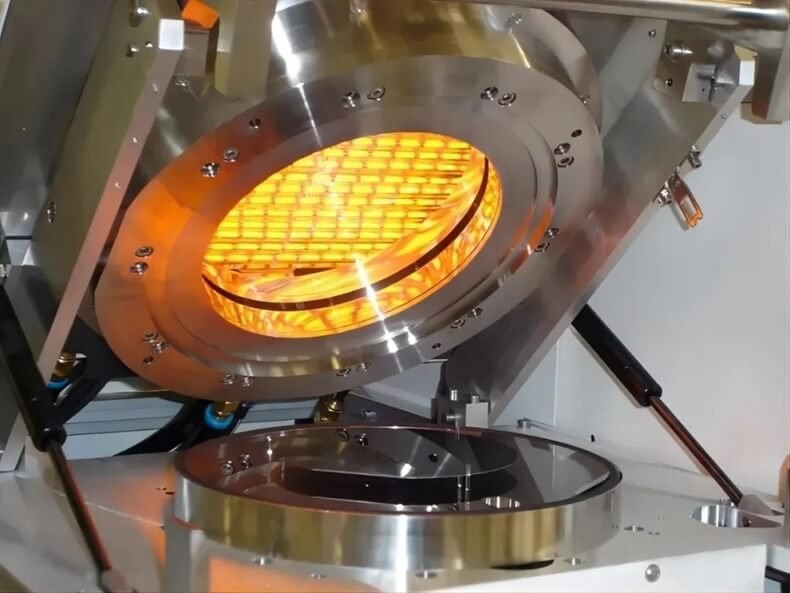
Going “green” in semiconductor fab isn’t just about checking a box for compliance. It’s about getting rid of nasty VOCs and stopping the massive energy bleed. That’s why we’ve moved toward waterproof infrared (IR) lamps for drying. Here’s the deal: instead of heating up the air and the entire room like some giant oven, IR goes straight for the wafer. It’s direct. It’s focused. Cutting the energy waste Old-school hot-air drying is an energy hog. You’re spending a fortune just to keep the ambient temperature up. IR works differently. It sends out short or medium-wave radiation that penetrates the liquid film on the wafer, making the water molecules vibrate and evaporate almost instantly. It’s fast. Really fast. Because it ramps up so quickly, you aren’t pulling nearly as much power per wafer. Plus, there are no combustion gases or solvents involved, which makes the cleanroom a much healthier place to be. Dealing with the “wet zone” Rinse stations are, by definition, wet. If you put a standard IR tube in there, it would short out or crack the second a droplet hit it. Thermal shock is a real killer. To fix this, we use lamps with specialized quartz envelopes and sealed end-caps. It basically keeps the moisture away from the electrodes. You can mount them right over the rinse tank and not spend your whole shift worrying about steam or splashes causing a blow-out. The balancing act Now, there is a catch. High-wattage IR lamps pack a serious punch. That heat density is great for speed, but it puts a lot of pressure on your cooling system. If your conveyor belt is crawling too slowly, you’re going to overheat the wafer or fry the photoresist. You have to find that sweet spot between the wattage and the belt speed so you don’t accidentally “burn” the part. Once you get that balance right, you can ditch those bulky, power-hungry drying tunnels. You end up with a much smaller footprint and a line that actually respects the environment.