


Stop Wasting Your Watts: Why Gold-Coated Reflectors Matter
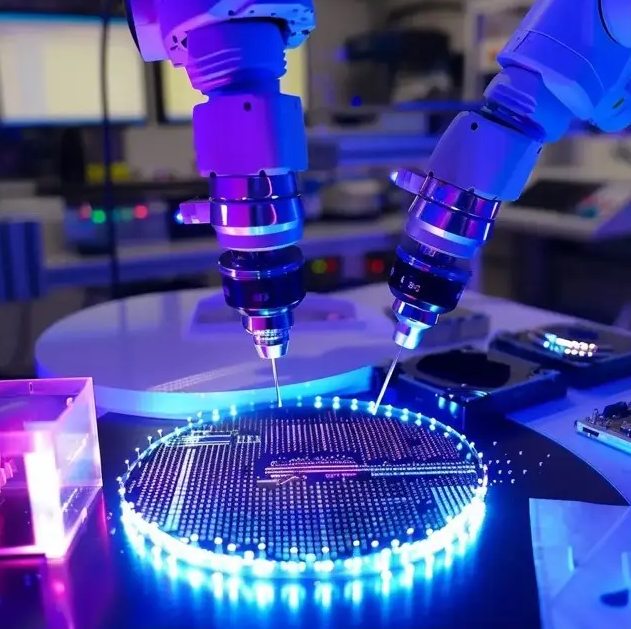
In wafer fab, letting energy leak out of your system is just bad design. If you’re using standard carbon fiber IR lamps, you’ve probably noticed a lot of that heat just drifts backward, away from the silicon where it actually belongs. It’s a waste. We fixed this by putting high-purity gold coatings on the reflectors. The goal is simple: make sure every single watt hits the wafer. Why gold? Most people use aluminum reflectors, but they tend to absorb or scatter too much energy. Gold is different. It’s incredibly efficient with infrared light—we’re talking over 98% reflectivity. Basically, you’re stopping the “heat leak.” Because the energy is focused, you get a much denser hit of heat on the wafer surface. The best part? You get more power on the chip without having to pull more juice from your electrical panel. The catch (because there’s always one) Carbon fiber elements are great because they heat up fast and they’re easy to control. But when you concentrate that much energy into a tiny space, things get hot. Really hot. If you’re pushing for maximum flux, you’ve got to keep an eye on your chassis cooling. If the lamp housing overheats, you’re looking at burnt-out elements or a ruined gold layer. It’s a trade-off, but one that’s easy to manage if you size your cooling right from the start. Putting it to work You can just drop these lamps into your current IR curing or baking modules. You’ll see cycle times drop almost immediately. Plus, the gold reflectors kill off those annoying cold spots across the wafer. You get a uniform heat profile, which means your whole batch comes out consistent. We built these for high-uptime shops where stopping the line to swap a lamp is a nightmare. One quick tip: when you wire these in, spend a little extra time tuning your PID controllers. Because the reflectors are so much more efficient, the system responds faster than you’re used to.