

Stop Letting Lamp Failures Kill Your Yield
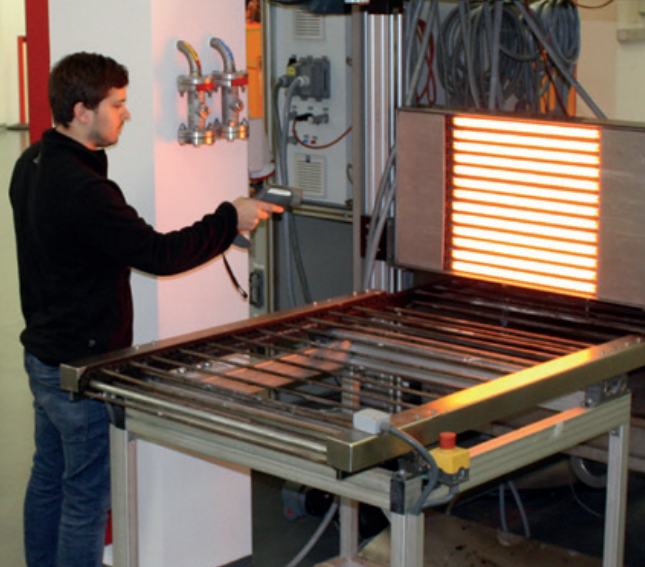
In a high-volume fab, a lamp burnout is a nightmare. It’s not just about the downtime. When a quartz envelope pops, you’ve got shards of glass and chemical gunk raining down right onto your wafers. That’s an instant trip to the scrap bin and a long, painful day of cleaning the line. We figured out a better way: just put a quartz glass shield between the heating element and your workpiece. Simple, but it works. Why quartz? We use high-purity fused quartz because the stuff can take a beating. It doesn’t freak out when the temperature spikes, so you don’t have to worry about the shield itself cracking while the lamp ramps up. Think of it as an insurance policy. If a lamp explodes because of a voltage spike or thermal shock, the shield catches the debris. The mess stays put, and your wafers stay clean. The trade-off Now, let’s be honest—adding a layer of glass means you lose a tiny bit of infrared transmission. You aren’t getting 100% of the heat through compared to an open lamp. It’s a small price to pay, but you might need to tweak a few things. You could bump up the wattage or move the lamp a bit closer to the wafer to hit your target temp. Just a heads-up: double-check your PID tuning after you install the shields so you don’t overshoot your heat profile. Keeping things running These are drop-in replacements. They fit right into standard housings, so you don’t have to go hacking away at your chassis to make them work. Over time, you’ll notice the glass getting “cloudy.” That’s just buildup. When that happens, your heat distribution starts to get uneven because the IR can’t get through as easily. The fix? A quick wipe with some electronic-grade IPA and you’re back in business. One last tip: keep your voltage stable. Those fluctuations stress the filament, which is exactly what causes the ruptures in the first place. The shield is there to save you, but stable power keeps the shield from having to do its job.