Why We Swapped Convection Ovens for IR Lamps in Bio-Sensor Fab
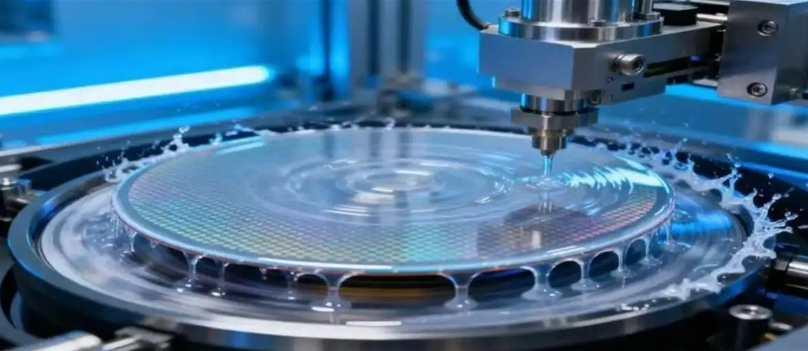
When you’re making bio-sensors, the curing and drying stages are where things usually get tricky. You need the heat to be exactly right, or the whole batch is scrap. For a long time, the standard move was to use big convection ovens. But honestly? Heating up a giant box of air just to warm up a tiny wafer is a waste of time and power. That’s why we moved to targeted infrared (IR) lamps. **The physics is pretty simple.**Instead of waiting for hot air to swirl around, short-wave IR radiation hits the substrate directly. It’s the difference between waiting for a room to warm up and stepping into the sunlight. Your wafer hits the target temperature in seconds. Not minutes. Seconds. We’ve tuned these systems to make sure the heat spreads evenly, so you don’t end up with warped wafers or patchy bio-active layers. Now, let’s talk gear. We usually go with quartz-halogen elements. The quartz lets the IR wavelengths through without a fight, and the halogen keeps the filament from burning out too quickly. If you’ve already got a PLC system in place, these hook right in. You get temperature control that reacts in milliseconds. But here is the catch: these lamps put out a lot of concentrated heat. If you skimp on your cooling manifolds or forget to vent the chassis, the ambient heat starts to drift. Once that happens, your sensor calibration goes out the window. You have to keep the surrounding area cool to keep the process precise. The best part? The energy bill. Traditional ovens are energy hogs because they run 24/7 just to stay at a steady temperature. It’s a constant drain. With IR, the system stays off until the moment the wafer actually enters the chamber. We’ve seen a real, measurable drop in the kWh we use per unit. It’s not some magic trick or a fancy new “green” buzzword. It’s just common sense. Why heat the air when you can just heat the part?