


When Your Thermocouple Leaks, Everything Breaks
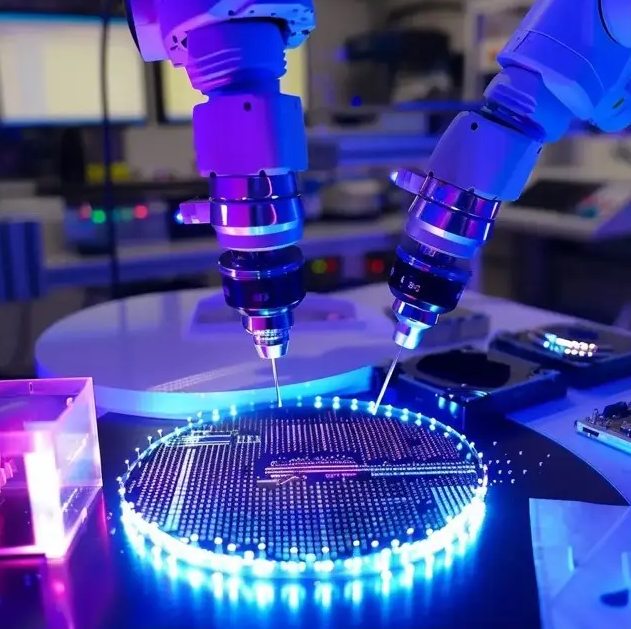
In the world of semiconductor heating, a thermocouple failing isn’t just a “wrong number” on a screen. It’s a nightmare. When the insulation goes, you get electrical leakage. That means you’re looking at a ruined batch of wafers or, even worse, a power supply that just fried itself. We build our probes to handle that kind of pressure, but we don’t just hope they work. We put every single unit through HiPot and insulation testing before it ever leaves our shop.
The messy reality of insulation failure
These heaters run on razor-thin tolerances. To keep the sensing wires from touching the heater body, we use high-purity alumina or specialized ceramics. But here’s the thing: heat is brutal. Constant heating and cooling creates tiny micro-cracks in those ceramics. If a bit of moisture or some gunk seeps into those cracks, your insulation resistance tanks. Suddenly, current jumps from the heating element straight into your control circuit. Now you’ve got noise in your PID loop. Or, if you’re unlucky, a blown controller. Not a great way to start a Tuesday.
Why we test everything (and I mean everything)
A lot of shops just sample a few pieces from a batch and call it a day. We don’t do that. Every single probe gets a dielectric withstand test. We hit it with a voltage way higher than what it’ll see in the field. Why? Because we want to force any hidden flaws to show themselves. If there’s a pinhole in the insulation or a weld that isn’t quite right, the unit fails. Period. It saves you from gambling with your equipment. You get a probe that’s actually isolated and ready to plug in without the “will it or won’t it” anxiety.
The balancing act
You might think, “Why not just make the insulation thicker?” Well, there’s a catch. A thicker sheath means more mass. More mass means it takes longer for the heat to reach the sensor. If your probe is too bulky, you lose that millisecond response time you need for a tight process. It’s a tug-of-war between absolute electrical safety and raw speed. We spend our time tuning the materials to hit that sweet spot—keeping things safe without the lag.