
No More Shivering in the Bathroom
Nobody likes that shock of stepping into a freezing bathroom first thing in the morning. Usually, you’re stuck waiting for a heater to warm up the air, which takes forever. We found a better way. Instead of trying to heat the whole room, we use shortwave infrared (IR) lamps. Think of it like the sun. You don’t feel the air get hot when you step outside on a winter day, but you feel the warmth hit your skin instantly. That’s exactly what’s happening here. You get warm the second you turn it on.
How it actually works
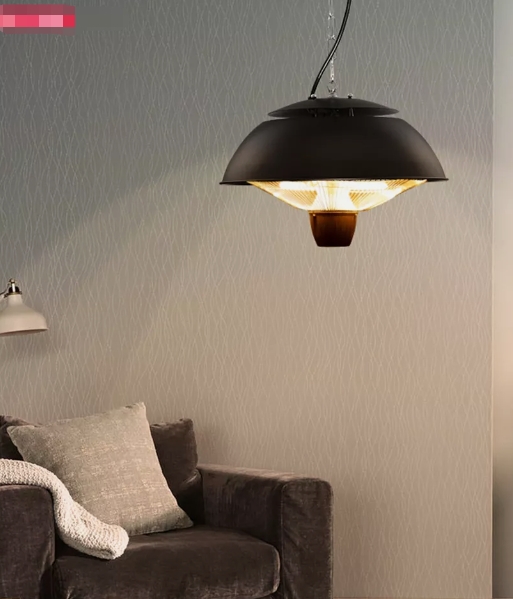
Inside the lamp, there’s a tungsten filament wrapped in high-purity quartz. When the power hits, it glows and sends out energy that ignores the air and goes straight for the target—whether that’s your skin or the mirror. Because the heat is so concentrated, we don’t need giant vents or bulky machinery. We can tuck these right into a mirror frame or a ceiling mount. Plus, they react in milliseconds. You can hook them up to a motion sensor, so the warmth is waiting for you the moment you walk in, then shuts off the second you leave. No wasted electricity.
A couple of warnings
We use quartz glass for a reason: it lets the heat pass right through. Regular glass would just soak up the energy until the lamp popped. But here’s the catch—quartz is a bit finicky. It doesn’t like being bumped, and it really hates fingerprints. If you touch the tube while installing it, the oils from your skin create “hot spots.” Eventually, those spots cause the lamp to fail. **Pro tip:**Wear gloves. Or, if you forget, wipe the tube down with some alcohol before you flip the switch.
Getting the setup right
Since these live in bathrooms, we make sure the housings are IP-rated. That’s just a fancy way of saying they’re sealed tight against steam and humidity so you don’t have to worry about the electrics. One thing to watch out for is the wattage. If you go too high, you might end up with a blinding glare while you’re trying to brush your teeth. We usually add reflectors to push the heat downward. That way, the warmth hits you where you actually feel it, rather than just heating up your ceiling.