
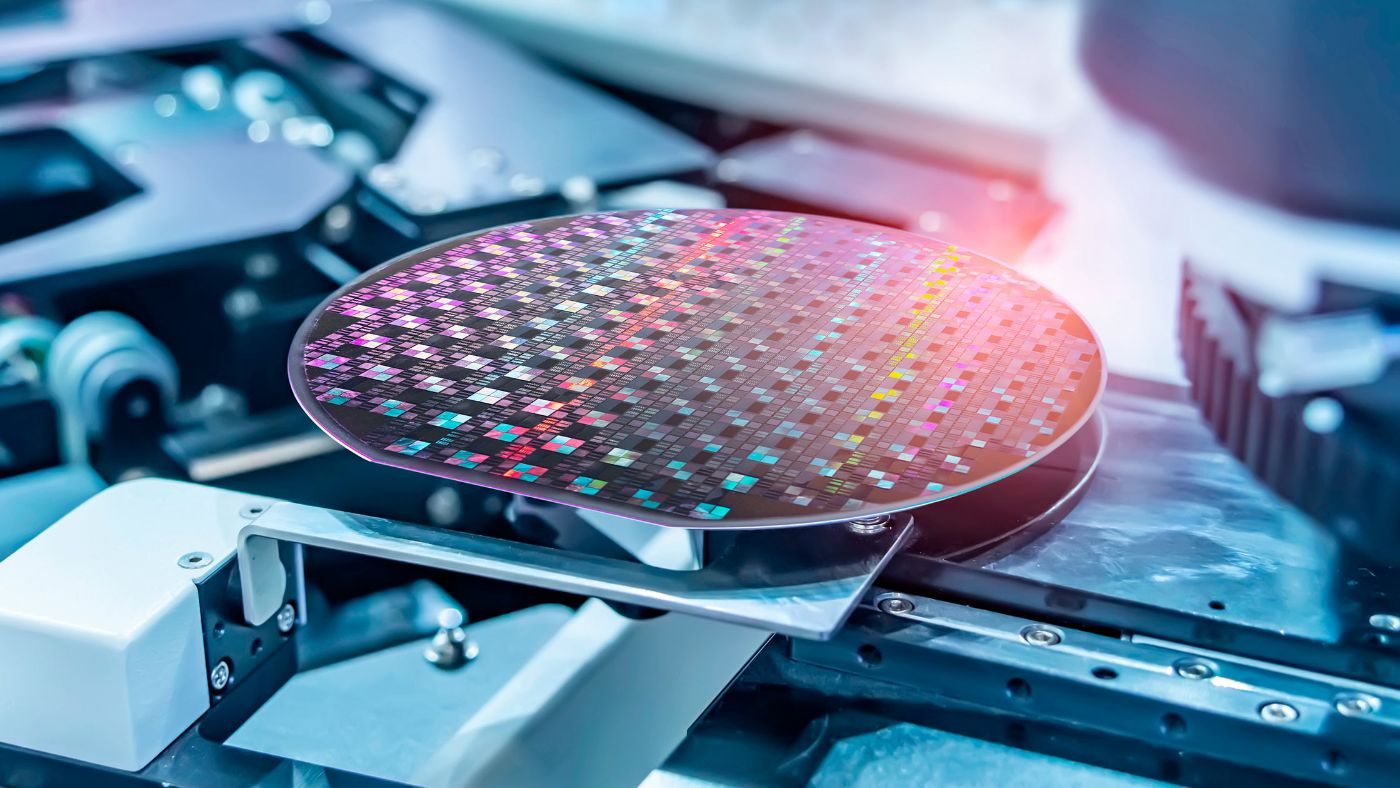
Stop Heating Your Walls (And Start Drying Your Wafers)
If you’ve spent any time around semiconductor drying equipment, you know the feeling. You open a chamber and the heat just hits you in the face. Not just the Wafers—the actual walls of the machine are scorching. It’s a waste. Most standard heaters just blast energy in every direction, turning your expensive equipment chassis into a giant, glowing heat sink. Your HVAC system has to work overtime to fight that heat, and your techs are constantly dodging burns during maintenance. We found a better way:directional infrared (IR) heating.
Point the heat where it actually matters
Think of a standard heater like a lightbulb in a dark room—it throws light everywhere. But in a tight fab footprint, most of that energy is just bouncing off the walls. We swapped those out for short-wave IR lamps paired with precision reflectors. Instead of a 360-degree blast, we narrow the beam. It’s like switching from a floodlight to a flashlight. The energy goes straight onto the substrate, and the walls stay cool.
Why this actually helps your day-to-day
First off, it’s safer. When the internal walls aren’t acting like a stovetop, your technicians can actually get in there to load wafers or run maintenance without fearing a “burning touch” accident. Plus, your ramp-up times get a lot faster. Why? Because you aren’t wasting precious watts trying to heat up a heavy steel frame. You’re transferring energy directly from the filament to the target. It’s just more efficient.
The “Catch” (Because nothing is perfect)
Now, look—this isn’t a magic wand. When you concentrate heat this intensely, you create some very hot localized zones. You can’t just drop these into any old setup. You’ll need to make sure your wafer holders and clamps are built to handle those thermal peaks, or you’re going to deal with warping. There’s also the alignment issue. If your reflector drifts by even a couple of millimeters, your drying patterns will go wonky. You can’t just “set it and forget it.” You’ll need to stay on top of calibration. To make it easier, we usually suggest adding a closed-loop pyrometer. It watches the surface temperature in real-time and tweaks the power automatically, so you don’t have to guess.