

Making Your Ceiling Heaters Actually Smart
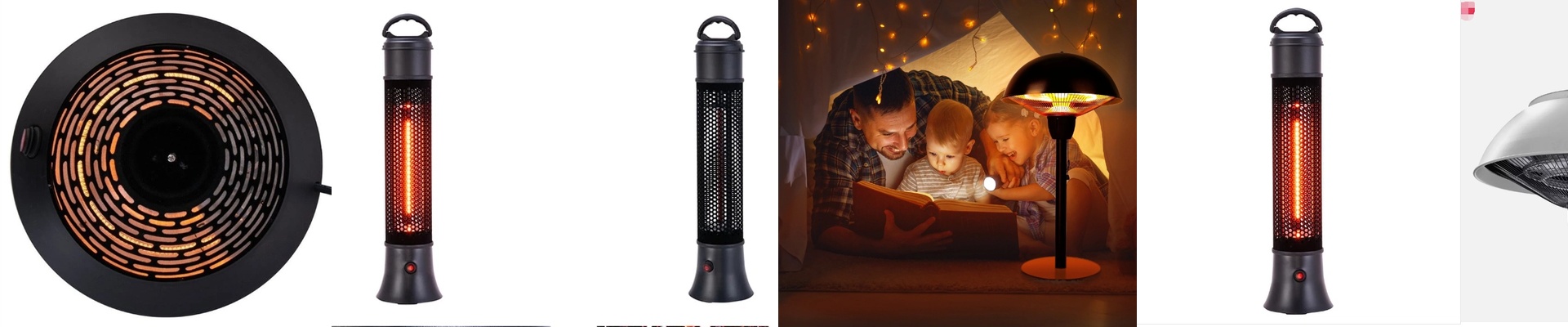
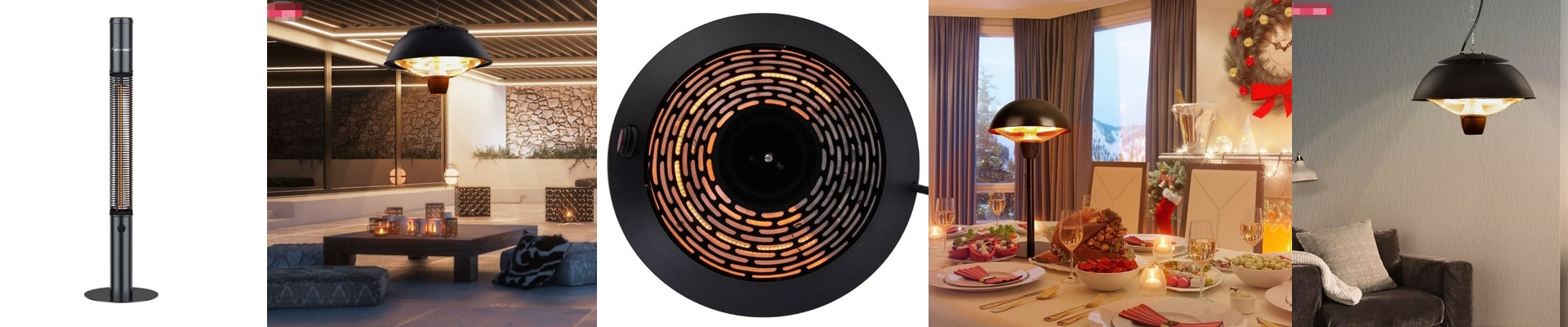
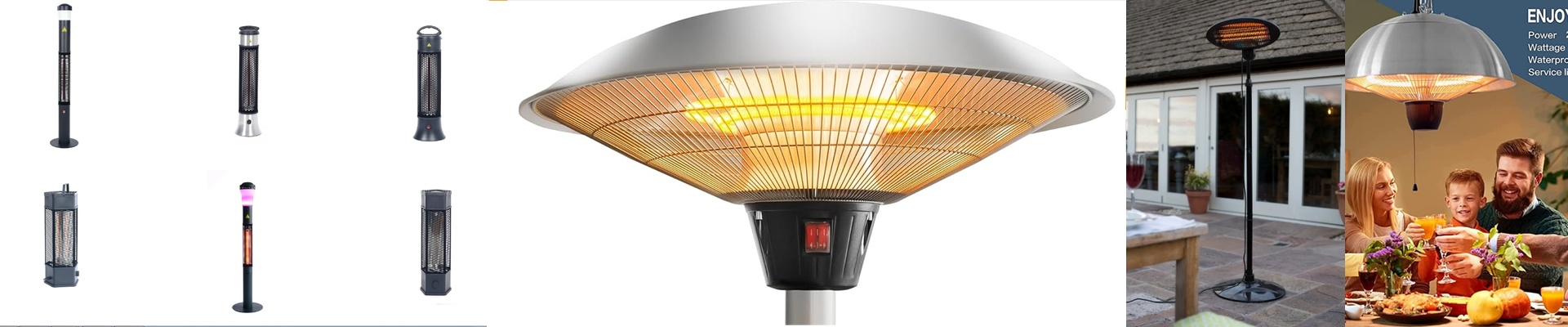
Most heaters work by warming up the air, which then slowly drifts around the room. It takes forever. Recessed infrared heaters are different. They don’t care about the air; they just beam heat straight down onto you and the things you’re touching. It’s like stepping into a patch of sunlight on a cold day. When you hook these up to a smart home system, that “waiting around” part of the morning completely disappears.
Instant Warmth (No Waiting)
Inside these units, you’ve usually got a quartz or halogen element. The second the power hits, they get hot. Fast. If you connect them to your hub using something like Zigbee or Matter, you can make them react to your life. Use a motion sensor or geofencing, and the heater kicks in the moment you walk through the door. You aren’t waiting for a furnace to wake up or air to circulate. You just feel the heat immediately.
How to Set It Up
To make this work, you’ll need smart switches or controllers that can handle a heavy electrical load. I usually suggest putting a temperature sensor down by the floor and a PIR sensor to catch movement. The logic is simple: if someone is in the room and it’s chilly, the heat turns on. Plus, you can use an app to “pre-heat” the space. Hit a button five minutes before you head into the bathroom or kitchen, and it’s cozy by the time you arrive. Since they’re tucked into the ceiling, they stay out of your way but keep a clear line of sight to wherever you’re standing.
The Boring (But Important) Stuff
Here’s the thing: these units pull a lot of power. If you’re putting a bunch of these in one ceiling, don’t cut corners with the wiring. If the wires are too thin, they can actually get hot inside your walls, and that’s a problem you don’t want. Do yourself a favor and run dedicated circuits. It’s the best way to make sure you don’t trip a breaker every time a couple of zones turn on at once.