

Getting Your IR Systems Right in a Smart Fab
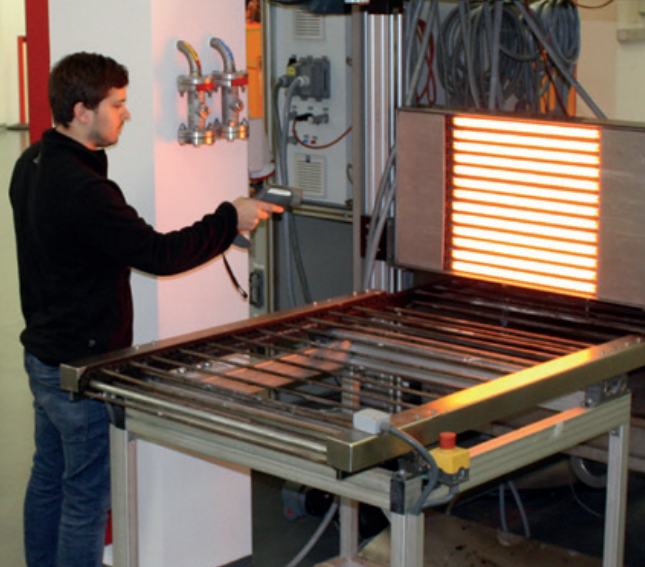
When you’re building out a Smart Fab, heat isn’t just something you “deal with” in the background. It becomes a critical piece of your data. That’s why vacuum-compatible IR heaters are the go-to. Since there’s no air to move the heat around, you rely on direct radiation to get the job done.
The Reality of Vacuum Physics
Here’s the thing about vacuum chambers: you lose your convective cooling. Everything depends on radiation. We build our IR lamps to handle that specific kind of pressure. If you have high wattage density, you hit your target temps faster. That means shorter cycle times and more parts moving through the line. But be careful. It’s tempting to crank up the power supply to shave a few seconds off your ramp-up time.**Don’t do it.**Over-driving your lamps is a fast track to burning out the filament, and nobody wants to stop a line for a preventable part failure.
Making it “Smart”
Industry 4.0 sounds fancy, but really, it’s just about the feedback loop. The heater is only half the story. The real magic happens when your IR system talks to your PID controllers. We use low-outgassing materials and specific connectors because the last thing you need is your heater contaminating your vacuum. Plus, when you track current draw and surface temps in real-time, you can actually see how the heat is spreading across your wafer. It’s like having a map. You’ll spot a lamp that’s starting to fade before it kills your entire production run.
The Trade-offs You Can’t Ignore
High-output systems are powerful, but they’re messy. They throw a lot of waste heat where you don’t want it. If your vacuum shroud isn’t built to handle that radiative load, you’re going to feel it. Heat will creep into your sensors and mess with your precision optics. It’s a headache you don’t want. My advice? Put independent thermal sensors in every single zone. It stops hotspots from forming and ensures that what you see on your digital twin is actually what’s happening on the shop floor.