

Keeping Your Smart Fab from Melting Down
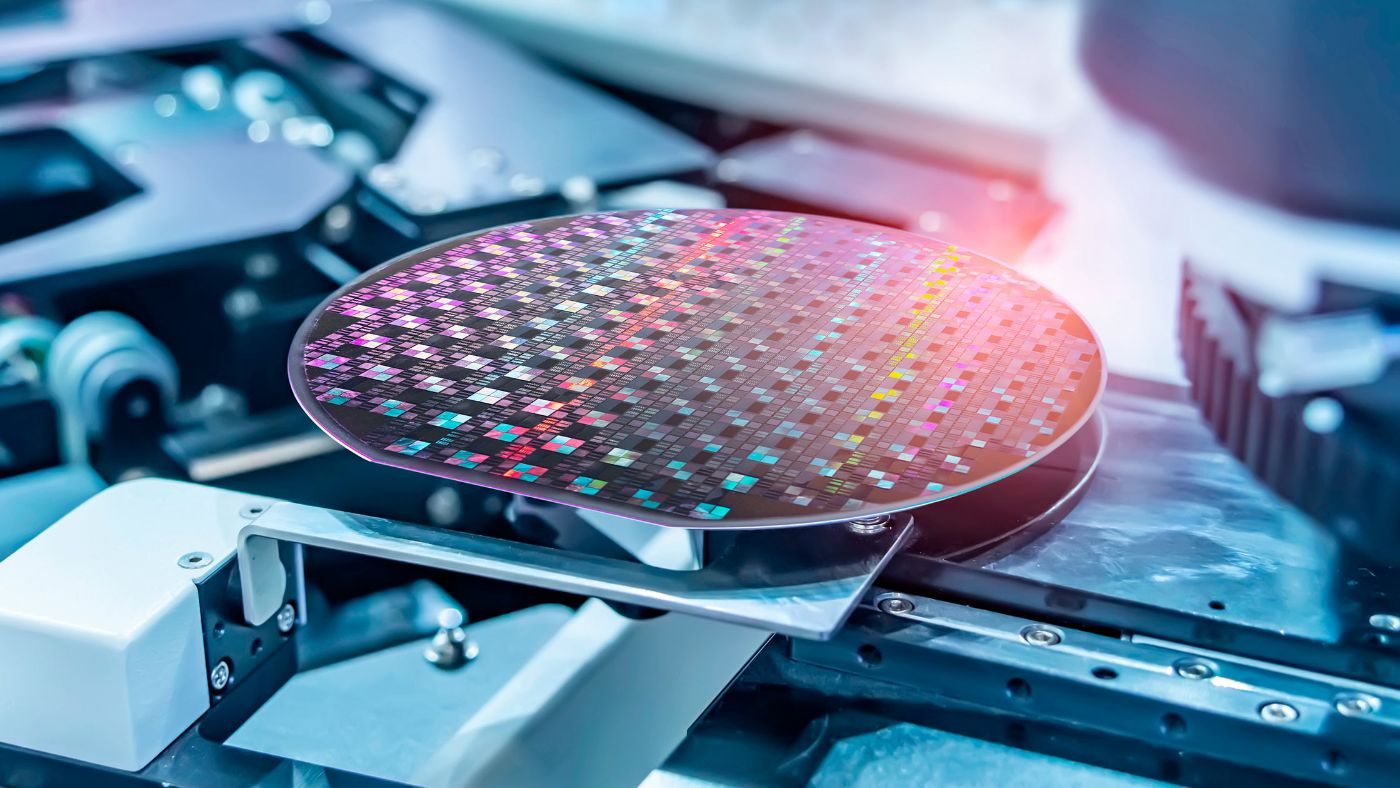
Building a “digital” Fab is about way more than just slapping some sensors on a machine. It’s about the hardware. Specifically, the stuff that has to survive brutal heat without giving up the ghost. When you’re dealing with semiconductor processing, high-efficiency infrared (IR) systems are the go-to. But here’s the catch: if your wiring can’t handle the heat, your data doesn’t matter. That’s why Teflon (PTFE) insulated wiring is basically a non-negotiable.
Why bother with Teflon?
If you try to use standard PVC or silicone wiring near IR lamps, it’s going to burn out. Fast. Teflon is different. It stays strong and keeps its insulation properties at temperatures that would turn other plastics into a puddle. In a modern Fab, space is tight. You’ve got high-density heating elements packed close together, and Teflon lets you route your power right where it needs to be without worrying about a short circuit. Plus, it doesn’t care about the corrosive chemicals floating around your cleanroom. It just holds up.
Making “Smart” Production Actually Work
Industry 4.0 sounds fancy, but in the real world, it’s just about digitalization. To get clean, accurate data from your thermal sensors, your IR lamps need steady, reliable power. High-efficiency systems let you ramp heat up and cool it down quickly. This is the secret sauce. It means you can switch wafer specs on the fly instead of sitting around for hours waiting for a furnace to stabilize. It makes the whole floor move faster.
The Trade-offs (Because nothing is perfect)
Now, Teflon isn’t some magic fix. It has its quirks. For one, it’s stiffer. It doesn’t bend as easily as silicone does. If you pull your wiring looms too tight, you’re going to stress the conductor. You have to find a balance between that heat protection and the actual physical layout of your heater. If you don’t get your strain relief right, you’re asking for mechanical fatigue—and nobody wants a system failure during a 24/7 production run.