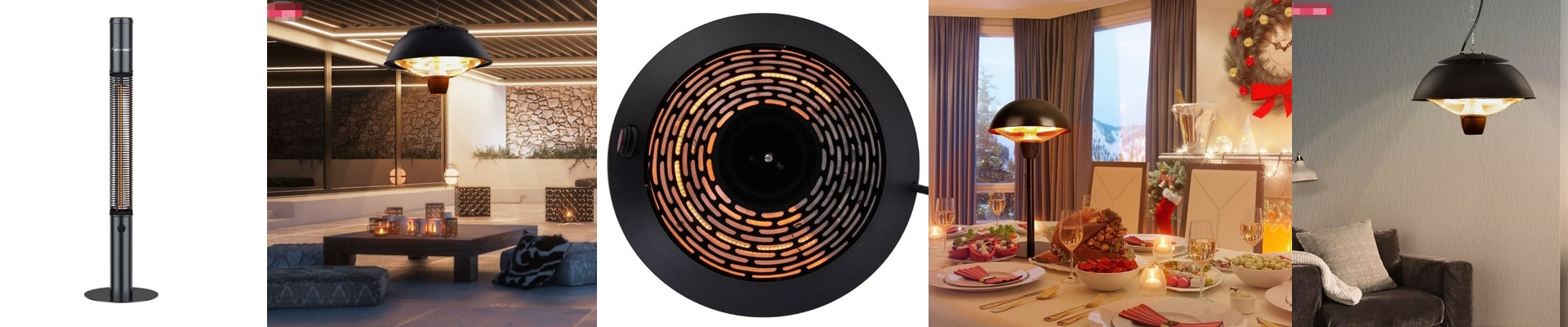
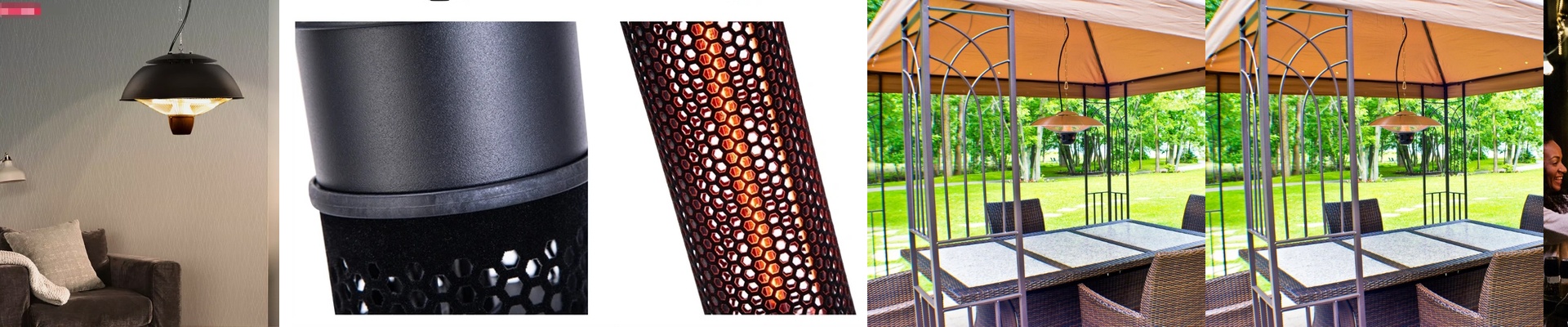
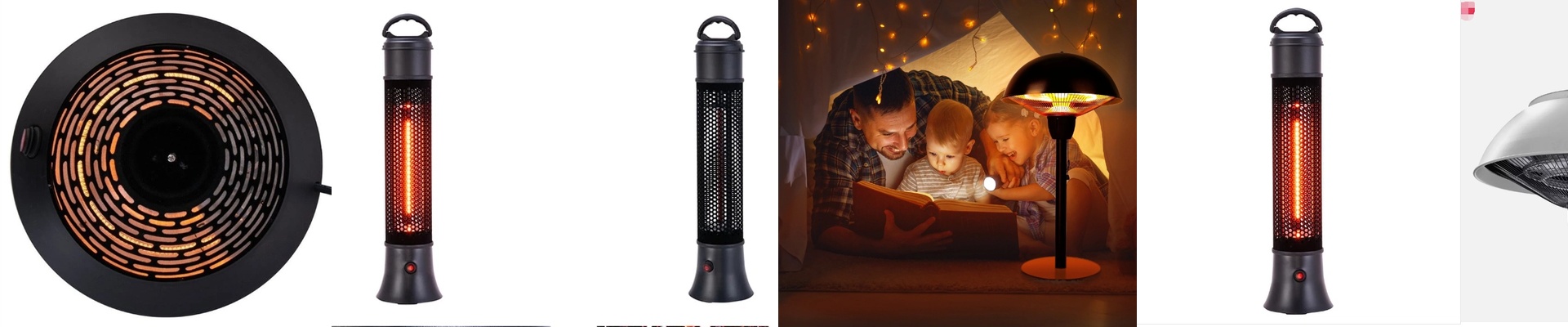

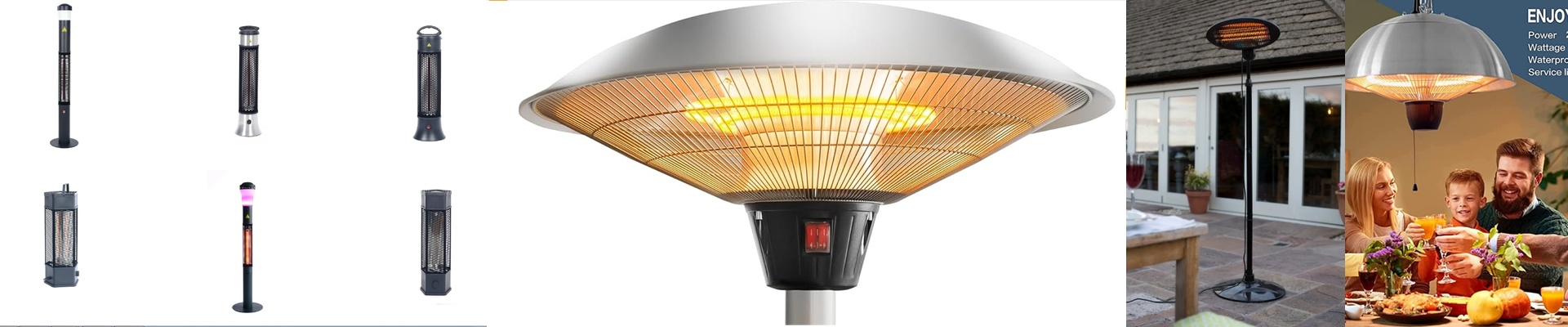

Why we put our bathroom heaters through hell
Putting a heater in a bathroom is a bit of a gamble. You’re basically sticking electrical guts into a room that’s constantly steaming up and swinging between freezing and boiling. Now, we build our infrared lamps to IP65 standards. But let’s be honest: a rating on a spec sheet doesn’t mean much when you’re actually standing in a shower. We don’t want you calling us in six months because your heater shorted out or started rusting on the wall. That’s why we run every batch through “damp-heat aging tests.” It sounds fancy, but it’s basically just trying to break the product before it ever reaches your house.
The problem with steam
Here is the thing about water vapor: it’s aggressive. Steam finds its way into seals that look perfectly tight when they’re just sitting on a shelf at room temperature. Then, the heater kicks on. It gets hot. Then it cools down. This creates a “breathing” effect. The unit expands and contracts, effectively sucking moist air right into the housing. If the seals aren’t perfect or the internal coatings are too thin, you get oxidation on the terminals. Then, the heating element burns out. Simple as that.
How we actually test them
We don’t just spray the units with a hose and call it a day. We lock them in environmental chambers—basically high-tech sweat boxes—where the humidity and heat are cranked up for long cycles. It speeds up the aging process. We’re looking for three big red flags: **Do the gaskets warp?**We check if the seals hold their shape when things get hot. **Does the insulation hold up?**We make sure the electricity stays where it belongs, even when everything is damp. **Are the connections rusting?**We check the wiring to make sure oxidation isn’t creeping in and messing with the resistance.
The balancing act
It’s a bit of a tug-of-war, really. To keep water out, you need tight seals. But if you seal it too tight, the heat can’t escape, and the internal components might cook themselves. If you leave it too open, the dampness gets in and kills the unit. It’s a fine line. We do all this boring, stressful testing so you never have to think about it. You just turn the heater on, feel the warmth, and know that the hardware can actually take a beating in a wet bathroom.