
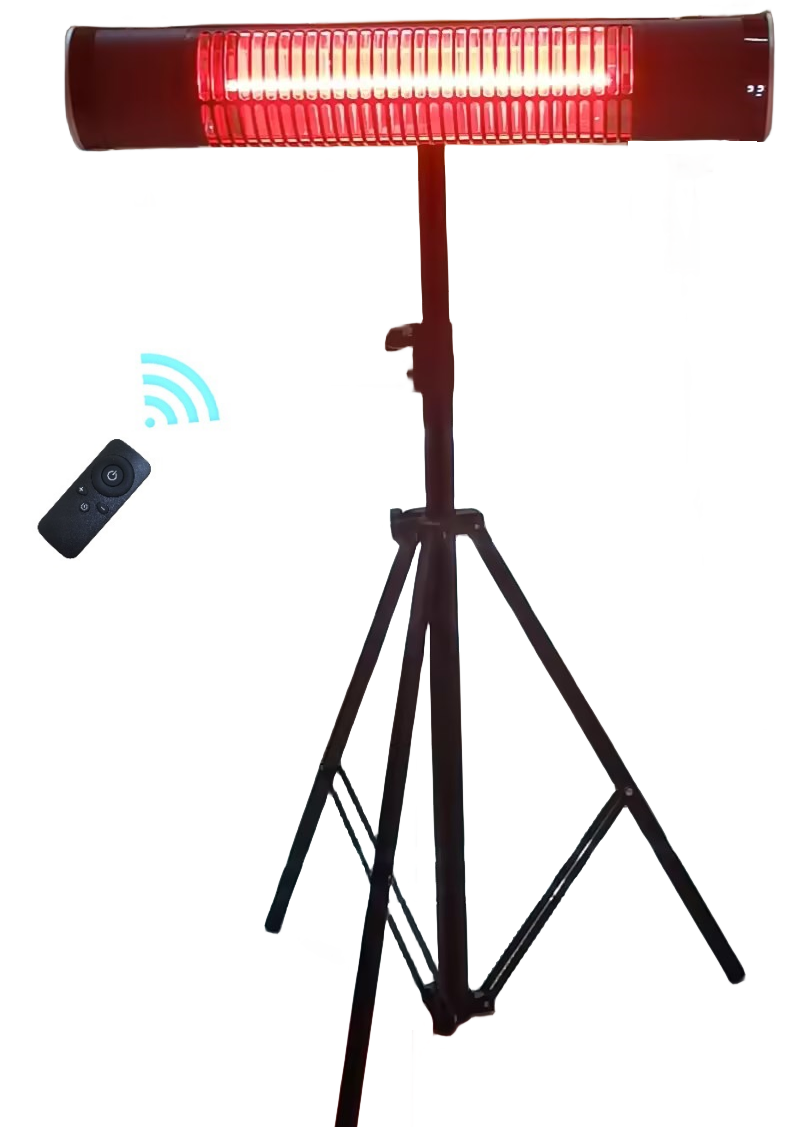
Bathrooms are tough on electronics. Between the thick steam from your morning shower and the accidental splashes, it’s basically a wet zone. Most towel rails end up failing for two reasons: moisture leaks into the electrics or the metal just starts to rot. We built our infrared units to handle that. Here’s the thing about water vapor—it finds a way into almost everything. In a cheap heater, that leads to short circuits or the heating element just giving up. We don’t just slap a rubber ring on it and call it a day. We use a sealed setup with gaskets and special coatings that make water bead up and roll right off. And if you’re installing this right next to the shower, you’ve got to worry about “thermal shock.” Imagine a freezing cold drop of water hitting a scorching hot infrared tube.**Crack.**That’s how you lose a heater. Our shielding keeps that from happening by making sure water can’t pool around the element. This matters because moisture is a silent killer for wiring. It eats away at the insulation and rusts the contact points. When that happens, your heat output starts to dip. By keeping the internals bone-dry, the current stays stable. You get the same cozy warmth in year five as you did on day one. Now, there is a bit of a balancing act here. If you seal a unit too tight, the heat gets trapped inside and the electronics can fry themselves. We’ve designed specific paths for the heat to escape while keeping the water out. Just make sure you leave a little breathing room when you mount it to the wall so the air can flow. One last bit of advice: don’t cut corners on the grounding. Since these live in a wet environment, the grounding wire is your safety net. Get the wiring right, and the unit will handle the humidity without breaking a sweat.