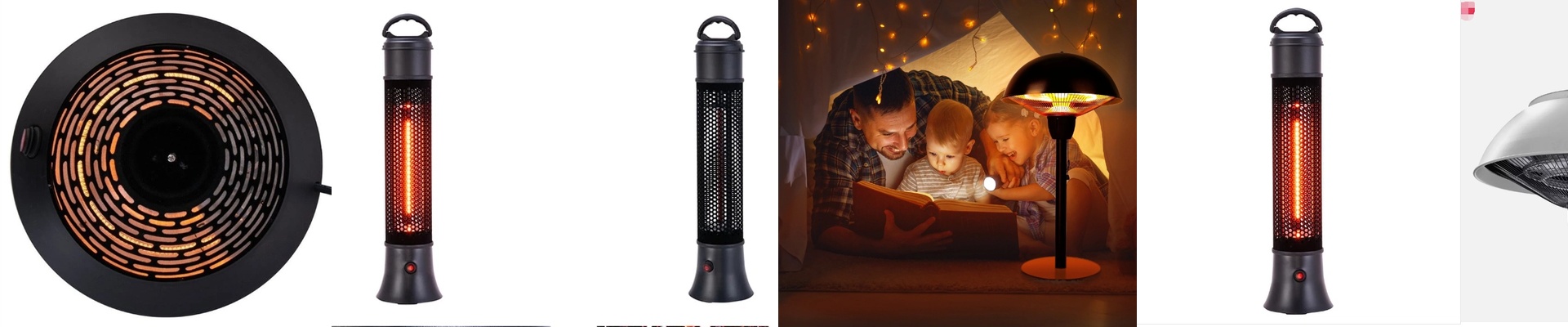
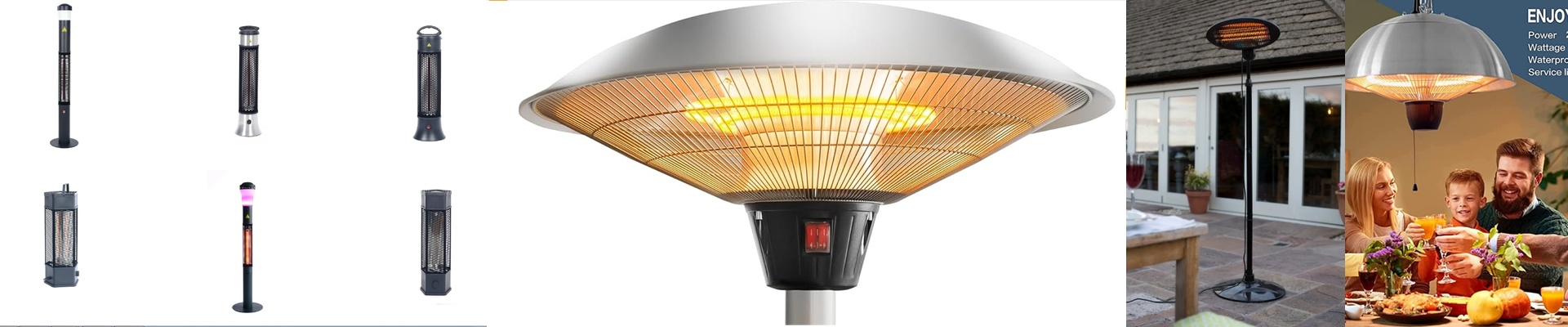
Making Your Outdoor Heaters Actually Smart
Let’s be honest: walking across a freezing patio just to flip a switch on a heater isn’t exactly “relaxing.” That’s why we focus on hooking these IP65 infrared heaters up to your smart home system. It turns a manual chore into something that just happens in the background.
Heat That Hits You Instantly
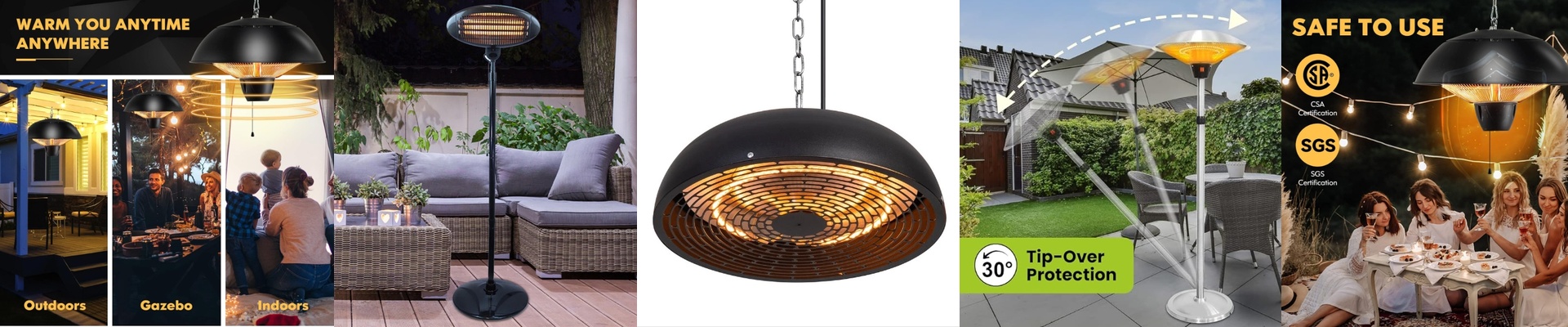
Here is the cool part about how this works. Most heaters try to warm up the air, which is a losing battle when you’re outside in the wind. These infrared units are different. They send heat directly to you and your guests. When you hit a button on your phone or tell your smart hub to turn them on, you don’t have to sit around waiting for the unit to “warm up.” It’s almost instant. It’s the only way to make a chilly winter terrace actually feel like a spring afternoon.
Built for the Rain and the Grit
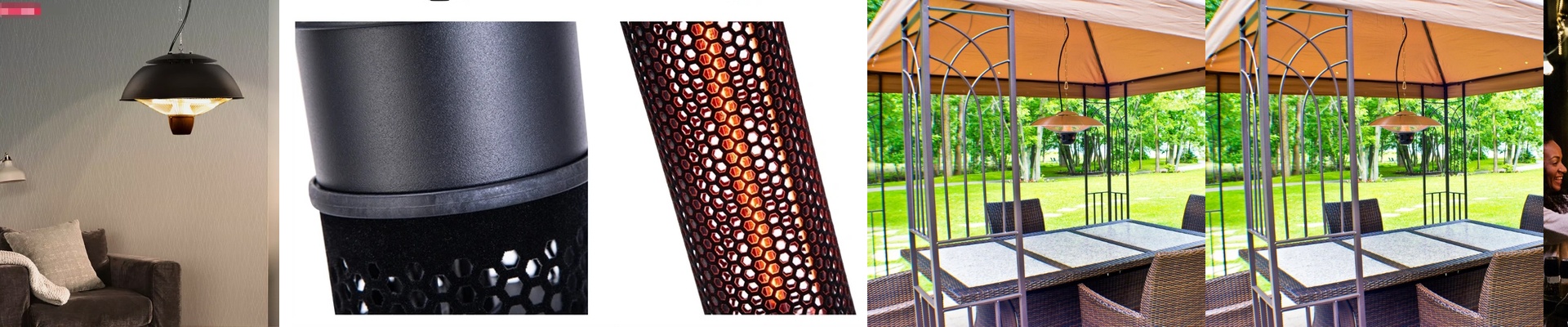
The outdoors are brutal on electronics. Dust, rain, and wind want to kill your gear. That’s why we use IP65-rated housings—basically a tough shell that keeps the gunk and water away from the guts of the machine. To make it “smart,” we use a Wi-Fi or Zigbee relay. Think of this as the middleman that lets your app talk to the high-voltage power line. One thing we’re obsessive about? The relays. We use heavy-duty ones. If you use a cheap, undersized relay, the contacts will literally melt together after a few months of use. Not a great look.
The Honest Truth About Setup
Now, adding smart controls does make the wiring a bit more involved. You can’t just plug these into a wall outlet and expect a perfect schedule or sensor-based triggers. You also need a solid Wi-Fi signal reaching your patio. If your internet dips, you lose that “one-click” magic and have to go back to the physical switch. My best advice? Hard-wire these into their own dedicated circuit. These heaters pull a lot of power. If you trigger three or four of them at once through your smart app, you don’t want to hear your circuit breaker pop from inside the house.