

How to actually size an infrared heater for your bathroom
When you’re picking out an infrared heater for the bathroom, the temptation is to just grab the most powerful one on the shelf. But that’s usually a mistake. You don’t need the biggest number; you just need the right amount of heat for the space you’re actually standing in.
Getting the wattage right
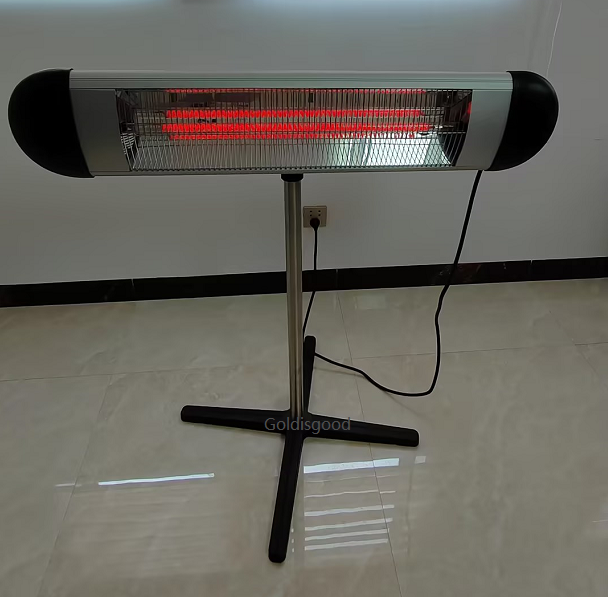
Bathrooms are tricky. You’ve got cold tiles sucking the heat out of the room and exhaust fans pulling warm air right out the ceiling. If you’re dealing with a tiny powder room—something under 4m²—a 400W to 600W shortwave lamp is plenty. But for those big master baths (8m² and up), you’re looking at 1200W to 2000W. Pro tip: instead of one massive heater, split that power across two separate wall units. It stops those annoying cold spots where you’re shivering in one corner while the other side of the room is baking. Go too high with the wattage, and you’re just wasting money on your electric bill—or worse, you’ll feel like you’re standing inside a toaster. Go too low? The fan will pull the heat away faster than the lamp can put it back, and you’ll still be cold.
Why shortwave IR?
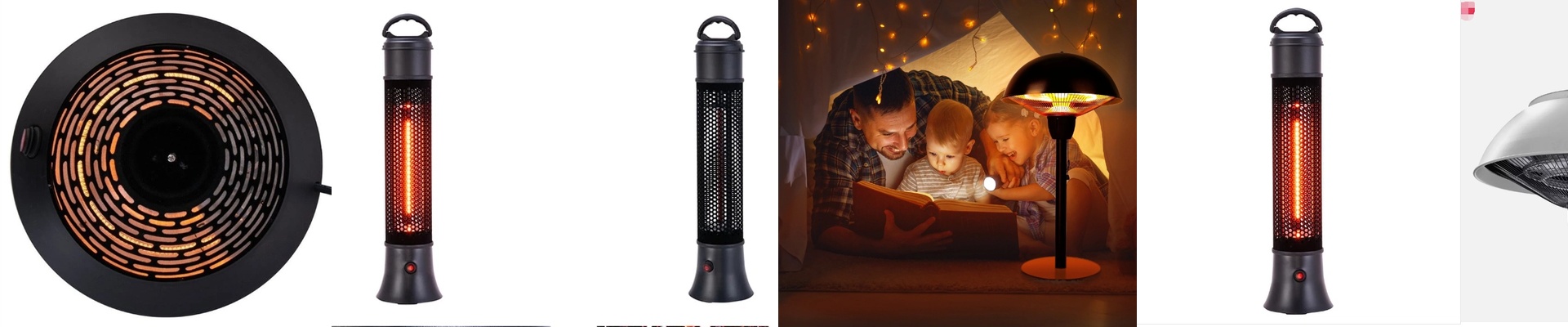
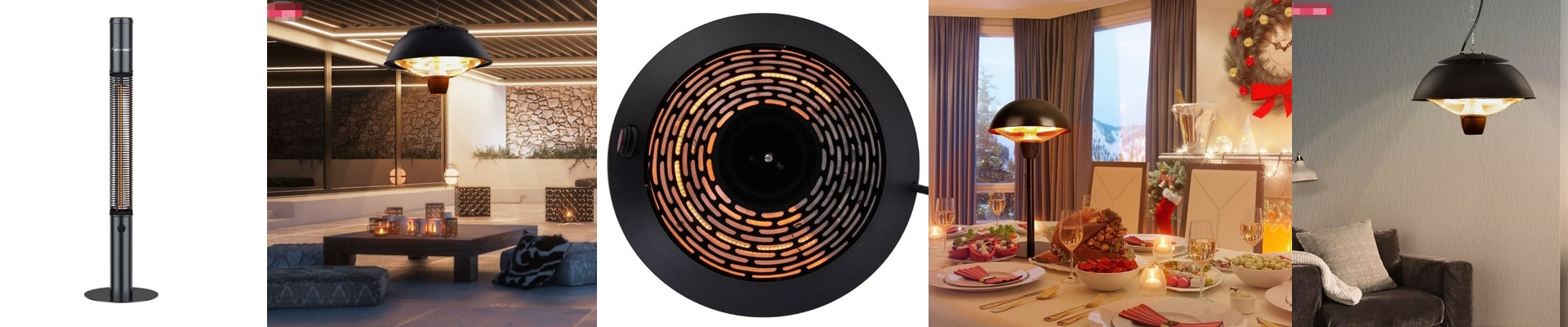
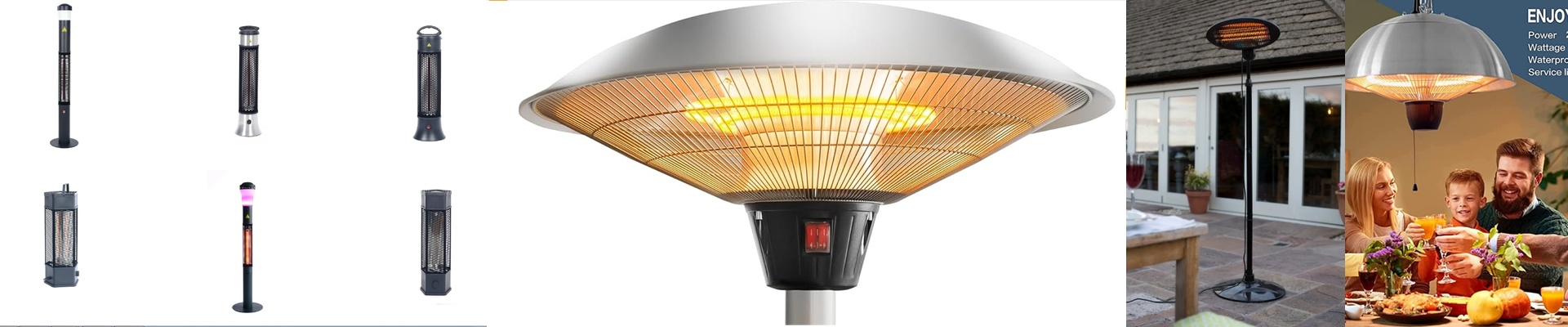
We stick with shortwave infrared because it doesn’t bother trying to heat the air. It just beams energy directly onto you and the walls. It’s the only way to get that “instant warmth” feeling the second you step out of the shower in a damp room. Just make sure the quartz envelope is built for humidity. You want reinforced seals. If moisture sneaks into the filament, the lamp is going to pop way sooner than it should.
A few installation traps
Where you hang the thing matters. If you put a high-wattage lamp too low, you’ll create a “hot zone” that feels aggressive and uncomfortable. I usually suggest mounting them at about 2.1 meters. And please, check your wiring. A 2000W unit pulls a lot of current. If you’re running that through thin, old wires, you’ll get voltage drops, and the heater just won’t perform. If you’re updating an old bathroom, take a quick look at your breaker capacity before you start wiring everything up. It’ll save you a headache later.