Getting Lead-Free Biosensors Right with IR Curing
When you’re building biosensors, you’re walking a tightrope. You need enough heat to cure your polymers and glues, but if you go overboard, you’ll fry the biological reagents. It’s a delicate balance. That’s why we lean on short-wave infrared (IR) lamps. Instead of heating up the entire room, IR energy goes straight into the substrate. No wasted air, no waiting around.
Why IR beats the oven
Think about a standard convection oven. It’s slow. It heats the air, which then heats the part. It’s a lot of wasted energy and a huge drag on your cycle time. IR is different. The radiation hits the curing materials and penetrates the surface almost instantly. You get a much faster ramp-up. Plus, your production line doesn’t turn into a sauna.
Going green (and lead-free)
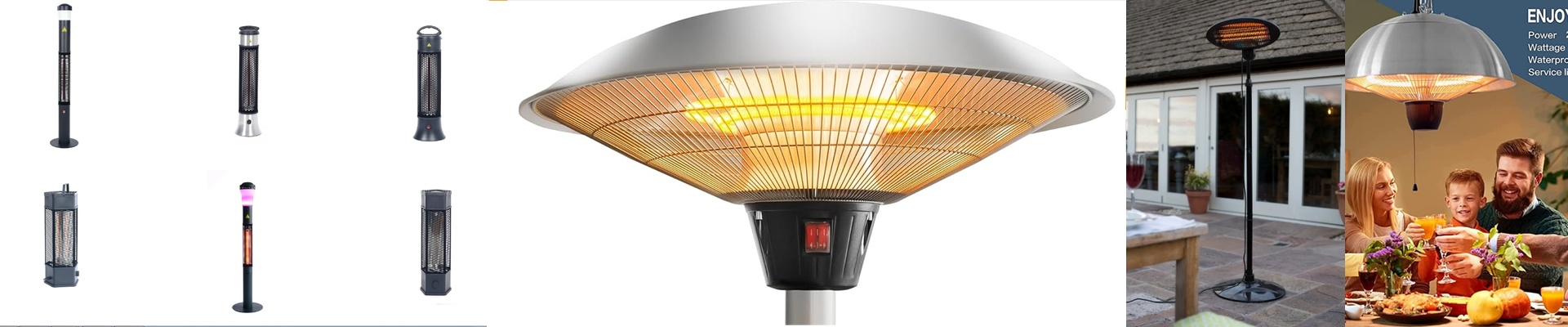
The industry is ditching lead-based solders and nasty halogenated solvents. We’re all trying to be a bit cleaner. IR curing fits right into that because it doesn’t pump out emissions or combustion by-products while it’s running. But here’s the catch: lead-free resins are stubborn. They usually need higher temperatures to actually bond (cross-link) than the old leaded stuff did. If your lamp doesn’t hit that exact temperature window, the bond just fails. That’s why we use high-wattage quartz lamps. You need that raw energy density to get the job done.
The tricky parts
It’s not all plug-and-play. If you blast the part with too much intensity too fast, you get “skinning.” It’s exactly what it sounds like. The surface cures instantly, creating a hard shell that traps solvents underneath. It’s a nightmare. To stop this, you have to set your power controllers to ramp up the wattage gradually. Slow and steady wins here. And don’t forget the hardware. Even though the IR energy is heading toward your part, the lamp assembly itself gets hot. If you forget to install a decent cooling fan or a heat sink, you’ll bake your reflectors and kill your lamps way sooner than you should. Keep them cool, and they’ll last.