
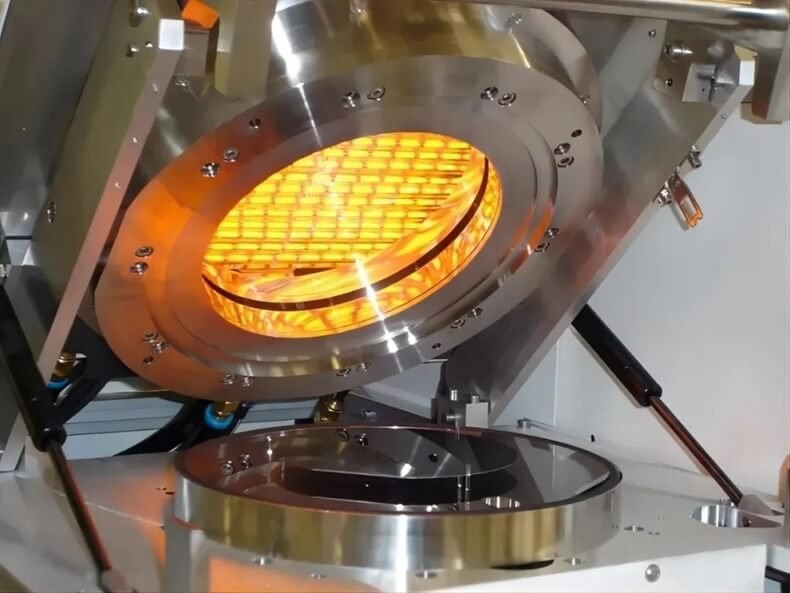
Why we switched to Infrared Curing for Bio-Sensors
When you’re making bio-sensors, curing adhesives and photoresists is a bit of a tightrope walk. You need the heat to set the material, but you can’t risk contaminating the substrate. That’s why we use IR lamps. Instead of heating up the air in a giant box and hoping for the best, IR sends energy straight into the material. It’s direct. It’s clean. The energy side of things Think about a traditional convection oven. You’re spending a ton of money and electricity just to heat up the oven walls and the air around the part. It’s a waste. With IR, we target the specific absorption bands of the sensor materials. We’re only heating what actually needs to be hot. This isn’t just some “green” talking point for a brochure—it’s about actually lowering the kilowatt-hours we use per wafer. Protecting the materials Here’s the tricky part: bio-sensors usually rely on polymers that hate too much heat. If you overshoot the temperature by even a little, you’ll fry the organic layers. We handle this by tweaking the wavelength—usually sticking to short-wave or medium-wave. This ensures the heat goes exactly as deep as the specs call for, which keeps the substrate from warping. Plus, the ramp-up is incredibly fast. The Sensors spend way less time under thermal stress, which means they stay healthier. The catch (because there’s always one) IR is fast, but it can be moody. Since the heat is so localized, you can end up with “hot spots” if your lamps aren’t spaced just right. If you’re not careful with the distance between the lamp and the wafer, you’ll scorch the surface. To stop that from happening, we use a closed-loop PID controller. It keeps the surface temperature within ±2°C. Without that level of control, the speed of IR actually becomes a problem rather than a benefit. The best part? Swapping out those old, clunky gas ovens for IR arrays cuts down on VOC emissions and gets rid of combustion fuels entirely. It fits right into most cleanroom lines without needing a total overhaul.