

Why we’re obsessive about IR lamp safety
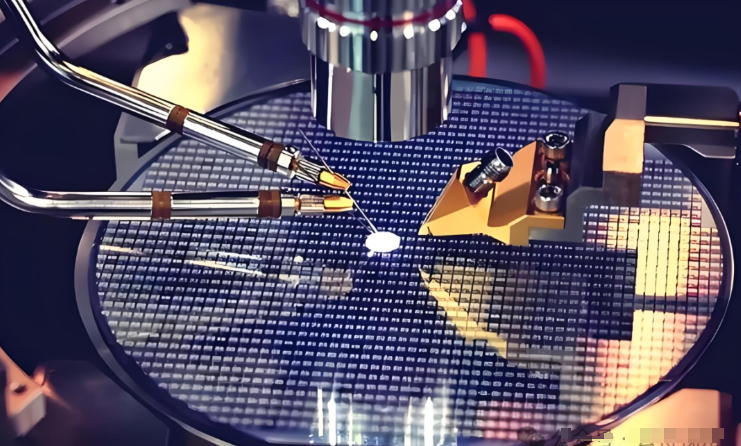
When you’re fabricating bio-sensors, the heat has to be spot on. We use infrared (IR) lamps to get those chemical reactions moving or to cure substrates just right. But here’s the thing: in a setup this sensitive, one tiny electrical leak is all it takes to trash an entire batch of sensors or fry your control board. It’s a nightmare you just don’t want to deal with.
We test every single lamp. No exceptions.
Some companies just sample a few units from a batch and call it a day. We don’t do that. Every single lamp that leaves our floor goes through a full dielectric strength and insulation resistance test. Why? Because we’re looking for the stuff you can’t see. A microscopic pinhole in the quartz or a tiny fracture in the seal can be a ticking time bomb. We hit the insulation with a high-voltage stress test to find those flaws before the lamp ever reaches your workbench. If there’s a contaminated electrode or a flaw in the glass, it fails. Period. It’s the only way to make sure you don’t deal with an “arc-over” event the moment you wire the thing into your rig.
Dealing with the heat
High-wattage IR lamps get hot. Really hot. That kind of heat puts a massive amount of stress on electrical connections, and over time, that constant heating and cooling can wear down the insulation. By setting a strict insulation threshold at the factory, we make sure your lamp can take a beating without leaking current into the machine chassis. Just a heads-up, though: our lamps are rock solid, but your own wiring and grounding have to be up to snuff too. If your housing isn’t grounded properly, even the best lamp in the world won’t stop static buildup during sensor deposition.
Better yield, less stress
Electrical noise is the enemy here. If a lamp has poor insulation, it can leak “ghost” currents right into your substrate, messing with the sensitive electronics of your bio-sensor. We kill that problem at the source. You get a stable, clean heat source, and your sensors keep their electrical integrity. It just makes the whole process a lot smoother.