

Getting Your Heat Right for Bio-Sensors
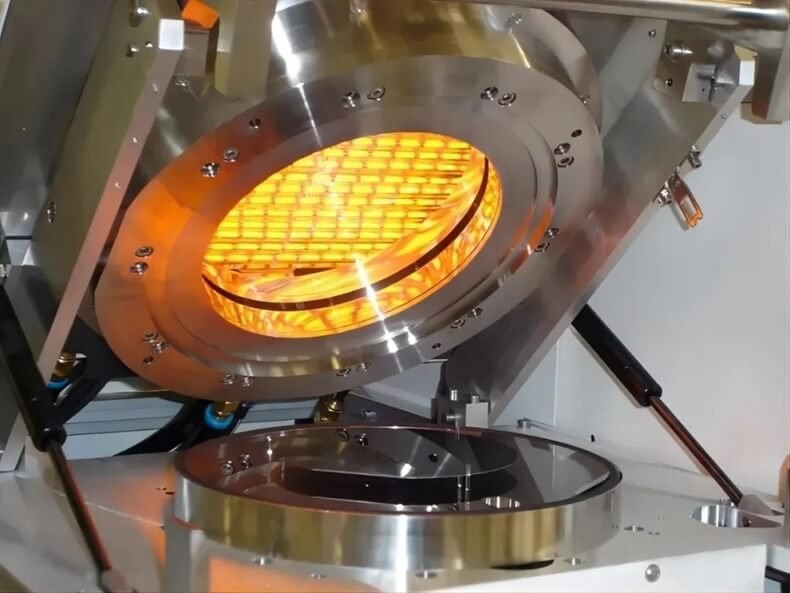
Making bio-sensors is a balancing act. You’re working with tiny thermal windows, and if you’re off by a few degrees, the whole batch is trash. If you’re trying to modernize your fab, the first thing to go is the big, clunky oven. They’re slow and they’re stubborn. Instead, most of us are moving toward high-efficiency infrared (IR) lamps. Why? Because they’re instant. You get heat exactly where you need it, exactly when you need it. The trick to speed In a fast-moving line, you can’t wait for the air to warm up. That’s why we use short-wave IR emitters. Unlike a convection oven that heats everything in the room, IR shoots energy straight into the substrate. It’s a direct hit. This is a lifesaver for bio-sensors because it keeps those sensitive organic layers from frying. You just dial in the power density and hit your target temperature across the wafer. It’s clean, it’s fast, and it just works. Turning heat into data But the lamp is only half the story. The real magic happens when you stop guessing. By hooking your IR setup to pyrometers and closed-loop PID controllers, you stop treating heat as a “feeling” and start treating it as a data point. We set these up so you can track every single watt that goes into every single batch. It saves you a massive headache during QC. If a sensor fails, you don’t have to shrug your shoulders and wonder why. You just pull up the thermal log, find the dip in temperature, and fix it. The “Gotchas” Now, it’s not all plug-and-play. There are a few things that can bite you if you aren’t careful. First, these systems are power-hungry. Don’t try to plug them into a standard wall circuit. You’ll get voltage drops, your temperatures will drift, and you’ll be right back to square one. Get dedicated power supplies. Also, remember that while IR is targeted, it still puts out a lot of radiant heat. If you don’t get your shielding and cooling fans right, you’ll end up cooking your PLC modules and nearby sensors. Keep it cool, keep it powered, and you’re golden.