

Getting Your Heat Right for Bio-Sensor Fabrication
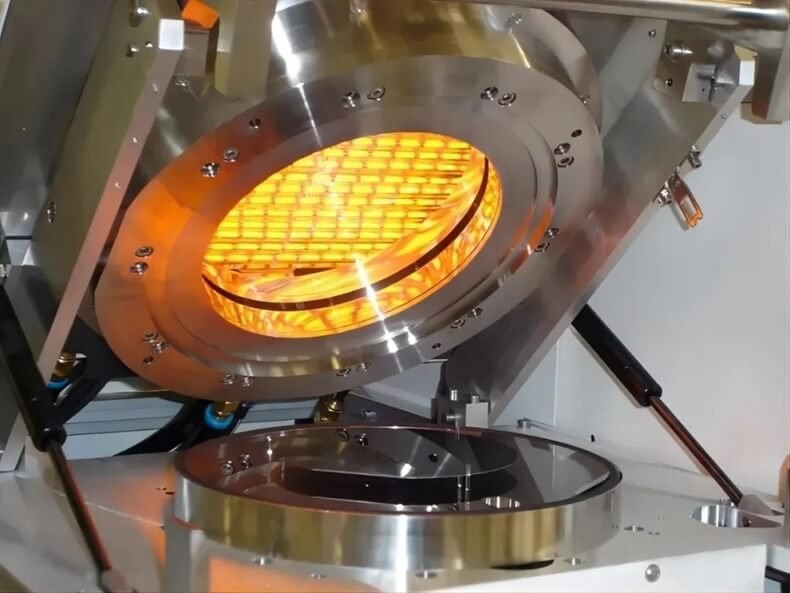
If you’re building a modern smart Fab, you’ve probably realized that old-school heating just doesn’t cut it anymore. You need something that actually talks to your data. For bio-sensors, we’ve found that high-intensity infrared (IR) lamps are the way to go. They’re fast. Really fast. And that makes a huge difference when you need precise energy control. The physics side of things Here’s the thing: in a digital line, you can’t wait around for the air to warm up. You need heat that hits the target the second your PLC says “go.” That’s why we stick with shortwave and medium-wave emitters. They send radiant heat straight into the sensor substrate. It skips the air and goes right to the material, which means your support fixtures don’t get baked. No overheating, no warping. Just a clean, stable process. Fitting it all in Space is always a premium in the lab, and we all want tighter data loops. We hook these lamps up to closed-loop PID controllers so you can see exactly what’s happening. You can watch the wattage and temperature swings in real-time across the whole zone. It takes the guesswork out of it. If your sensors are touchy and need a slow, steady ramp-up to avoid thermal shock, you just program the power curve and let it run. The trade-offs you need to watch Now, these IR arrays pack a serious punch in a tiny area. But that comes with a catch: heat soak. If your cooling isn’t up to the task, the ambient temperature around the lamp housing will climb, and your calibration will start to drift. It’s frustrating when that happens. To stop it, we use heavy-duty, heat-resistant wiring and high-temp connectors. If you’re running 24/7, you don’t want a melted wire bringing your whole line to a halt. The best part? Once you wire these into your SCADA network, everything becomes transparent. You’ll know exactly how much energy every single bio-sensor is getting. You stop guessing and start knowing.