
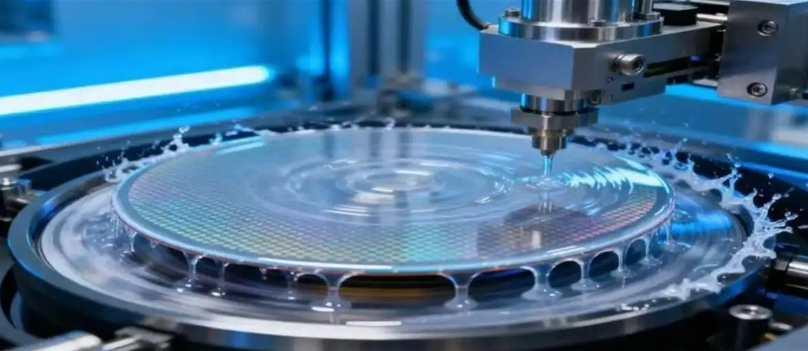
Stop Cooking Your Equipment (and Your Techs)
When you’re fabricating bio-sensors, you need a ton of heat hitting the substrate. But here’s the problem: you don’t want that heat anywhere else. Most standard IR lamps just blast energy in every direction. It’s a mess. Your semiconductor tools basically become giant heat sinks, which means the chassis can warp and your operators end up getting burned. It’s a waste of power and a safety nightmare. We figured out a better way using directional infrared technology. Getting the heat where it actually belongs Instead of letting heat bleed into the machine housing, we use specific reflectors and emitters to push that energy straight forward. Think of it like a flashlight instead of a bare lightbulb. We concentrate the flux right on the target. You still get that fast ramp-up speed your sensor material needs, but the rest of the tool stays chill. The catch: Power vs. Cooling Now, there is a trade-off. When you cram high wattage into a tight, directional beam, you create an intense amount of heat at the focal point. The outer walls are safe, but the lamp’s own quartz envelope takes a beating. If you’re using high-wattage lamps for fast curing, you’ve got to get your airflow right. If you don’t have proper venting at the source, those lamps are going to burn out way too fast. Making it work in the real world The best part? Getting rid of that “stray heat” means the outside of the machine stays cool to the touch. Your technicians can actually get close to the tool during a run without worrying about a burn. We made these lamps to be simple drop-in replacements. You just wire them into your existing controllers and you’re good to go. Plus, since you aren’t spending half your energy heating up the air and the metal walls, your HVAC doesn’t have to work nearly as hard. It keeps the whole lab environment stable, which is exactly where you want to be.